

Quick answer
Dubai's industrial market in H1 2026 looks tight on the surface and is structurally unusual underneath.
Average warehouse rents rose 12.4% year-on-year and total rental value rose 9.9% to AED 1.8 billion (Cavendish Maxwell). JLL put Dubai industrial rent growth at 6.8% year-on-year in Q2 2026.
But lease activity split in two directions. Total contracts fell 4.5% to about 10,000. New leases collapsed 51.8% to roughly 1,800. Renewals rose 21.6% to a record 8,200 — roughly four in five of all contracts.
That is not a story of booming demand. It is a story of immobility. Tenants are renewing because suitable alternative space does not exist at an acceptable rent, and landlords know it.
Two things change the picture over the next 24 months: 6.6 million sq ft of new supply is due in 2026 before completions moderate in 2027 and 2028, and Knight Frank expects Dubai industrial rents to find a floor within 12 months, with prime rents potentially stabilising in H2 2027.
The rent numbers, by location
Submarket growth ranged from about 6% in Al Quoz to 22% in Dubai South, per Knight Frank. Cavendish Maxwell's monitored locations showed:
- Jebel Ali: +15.5% — the fastest growth of the locations it tracks
- Dubai Industrial City: +15%
- Ras Al Khor: +13.9%
- Al Quoz: +6%, at about AED 90 per sq ft — still Dubai's most expensive industrial location
The pattern is informative. The cheapest, newest, best-connected locations are growing fastest in percentage terms, while the most expensive established area is growing slowest. That is what a market does when tenants are priced out of the core and chase functional space further out.
For Abu Dhabi comparison, Knight Frank's earlier UAE industrial work put Abu Dhabi Airports Free Zone at the top on average rent, followed by KEZAD Mussafah (ICAD) and Al Falah, then Mussafah — with growth more modest than Dubai's.
Why renewals hit a record while new leases halved
Four forces, and they reinforce each other.
Prime Grade A space is genuinely scarce. Long build times and strong pre-leasing mean the best stock is committed before completion. A tenant who wants modern height, power and loading has very few options to move into.
Requirements are growing while availability is not. Knight Frank recorded 12.3 million sq ft of requirements in H1 2026, up from 11.5 million sq ft a year earlier. More demand chasing the same stock produces renewals, not relocations.
The size of demand changed sharply. Requirements above 100,000 sq ft rose to 27% of the total, from just 7.8% in H2 2025. Requirements of 10,001–50,000 sq ft were 35.5% and 50,001–100,000 sq ft were 32.2%. Large-format demand of that scale cannot be absorbed by subdividing older units.
The small-tenant market is a different market entirely. 68% of contracts were under 5,000 sq ft, and 51.6% fell in the 2,000–5,000 sq ft band. Most of Dubai's industrial leasing by count is small units — and those tenants have the least negotiating power and the fewest alternatives.
By sector, manufacturing drove 35.1% of demand and logistics 15.5% (Knight Frank), with UAE non-oil foreign trade up 13.1% to AED 1.937 trillion in H1 2026 providing the underlying pull.
The part most reports leave out: concessions are appearing
JLL reported landlord concessions of up to 15% in some areas. That matters, because it sits oddly against double-digit headline rent growth — and both can be true at once.
Headline rents are set by the scarcity of good space. Concessions appear in the weaker pockets: older stock, poorly specified units, locations with higher vacancy. Knight Frank's earlier work flagged exactly this pattern in the established inland parks — National Industries Park and Dubai Investment Park — where relatively higher vacancy kept rents from rising further.
So the practical reading is: there is no single Dubai warehouse rent. There is a tight Grade A market with pricing power and a softer secondary market where a well-prepared tenant can extract real value.
If you are a tenant facing renewal
- Start 9–12 months out, not 3. With new leases down 51.8%, your landlord's base case is that you have nowhere to go. The only way to change that assumption is to have a genuine alternative identified and costed before you open the conversation.
- Price the move properly, not emotionally. Fit-out, racking, power upgrades, licensing, downtime and staff transport can exceed two years of the rent difference. Run that number first; it tells you how much a renewal is actually worth paying.
- Trade term for rate. In a market where landlords value certainty, a longer commitment is your strongest lever — more effective than arguing about the rate alone.
- Ask for the concession, not the discount. Rent-free fit-out periods, staged increases and landlord-funded power or loading upgrades are easier for a landlord to grant than a lower headline rent, and often worth more in cash terms.
- If you need over 100,000 sq ft, act early. You are now competing with 27% of all market requirements for a supply pipeline that moderates after 2026.
If you are an investor or owner
- Yield compression is the headline risk. Knight Frank has pointed to prime industrial yields trending toward sub-8%. Buying at a compressed yield on rents that may be near a cyclical peak is the specific mistake to avoid this cycle.
- Rents are expected to find a floor within 12 months. Knight Frank's view is that growth decelerates and prime rents may stabilise in H2 2027. Underwriting continued double-digit growth is not supported by the forecast.
- Renewal-heavy income is a strength, but check the reason. A tenant renewing because they cannot find alternatives is not the same credit as a tenant renewing because the asset fits them. The first will leave when supply arrives.
- Specification is the moat. Eaves height, power capacity, loading bay count and yard depth determine whether you are in the tight Grade A market or the soft secondary one. The 6.6 million sq ft arriving in 2026 competes directly with poorly specified stock, not with prime.
- Watch the large-format shift. Demand above 100,000 sq ft moving from 7.8% to 27% of requirements in two half-years is a structural signal worth positioning for, not a blip.
Frequently asked questions
How much did Dubai warehouse rents rise in 2026? Average warehouse rents were up 12.4% year-on-year in H1 2026 per Cavendish Maxwell, with total rental value up 9.9% to AED 1.8 billion. JLL measured Dubai industrial rent growth at 6.8% year-on-year in Q2 2026. The difference reflects different baskets and methods.
Which Dubai industrial area is most expensive? Al Quoz, at about AED 90 per sq ft — though it recorded the slowest growth among tracked locations at around 6%.
Which area is growing fastest? Dubai South at around 22% per Knight Frank's submarket range, and Jebel Ali at 15.5% among Cavendish Maxwell's monitored locations.
Why are new leases falling if demand is strong? Because suitable space is not available. Prime Grade A stock is largely pre-leased, so tenants renew in place instead of relocating. Renewals reached a record 8,200 in H1 2026, around four in five of all contracts.
Is now a good time to buy a Dubai warehouse? It depends on specification and entry yield. Prime yields trending toward sub-8% combined with a forecast rent floor within 12 months means the margin for error has narrowed. Well-specified large-format assets are better positioned than older small-unit stock.
When will rents stop rising? Knight Frank expects Dubai industrial rents to find a floor within 12 months, with prime rents potentially stabilising in H2 2027, subject to the regional situation.
Where to go next
- Commercial real estate in Dubai: office and warehouse guide
- Warehouse investing in Dubai South
- Dubai Investment Park and NIP warehouses: investment guide
- Al Quoz commercial and industrial guide
- Dubai commercial cap rates 2026
- VAT on commercial property in Dubai
Sources
- Cavendish Maxwell H1 2026 Dubai industrial data: rents, rental value, contracts, new leases, renewals, contract size bands
- Knight Frank H1 2026 UAE industrial and logistics research: requirements, requirement size bands, submarket rent growth, 2026 supply, rent forecasts, yields
- JLL Q2 2026: Dubai industrial rent growth and landlord concessions
- All three reported by Logistics Middle East, 21 September 2026
- Knight Frank UAE Industrial and Logistics Report, reported by Technical Review Middle East, 11 February 2026: Abu Dhabi rent ranking, inland park vacancy
- UAE non-oil foreign trade H1 2026, as cited in the Logistics Middle East analysis
I work on warehouses, labour accommodation and commercial assets across Dubai's industrial districts. If you are renewing a lease, outgrowing a unit, or underwriting an industrial purchase, I will give you the comparable rents and the honest read on specification before you commit. Get in touch through muhalabadam.com.
Sources & Official References
- governmentDubai Land Department (DLD)
- governmentUAE Government Portal — Property & Housing
- governmentUAE Federal Tax Authority (VAT)
Related Listings
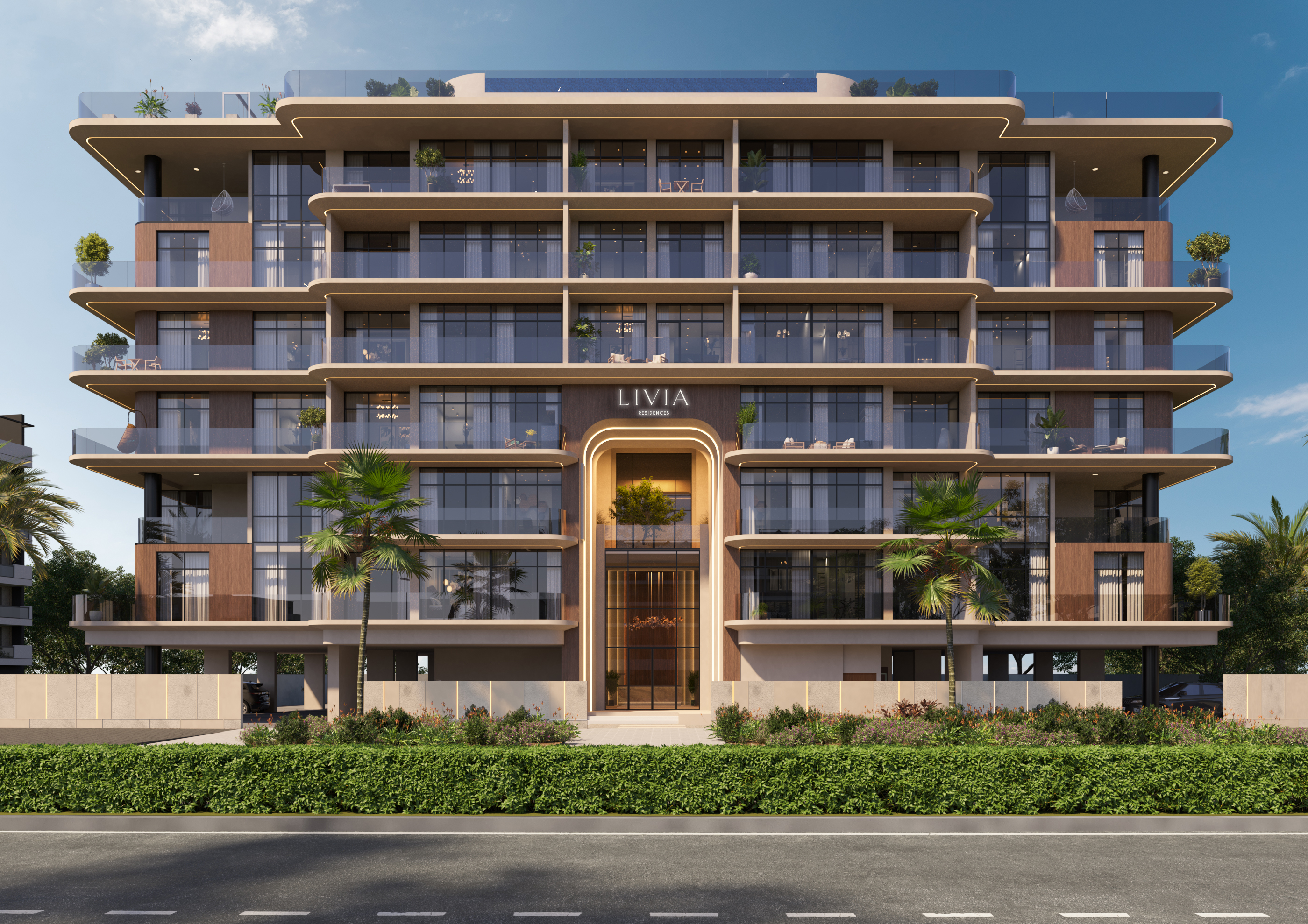
Livia Residences | 1BR Apartment | Dubai South
BARCO Developers · Dubai South
AED 1,101,555
Livia Residences | Studio Apartment | Dubai South
BARCO Developers · Dubai South
AED 657,555
Livia Residences | 2BR Apartment | Dubai South
BARCO Developers · Dubai South
AED 1,609,555
Livia Residences | 2BR Apartment | Dubai South
BARCO Developers · Dubai South
AED 1,617,555
Livia Residences | 2BR Apartment | Dubai South
BARCO Developers · Dubai South
AED 1,619,555
Livia Residences | 1BR Apartment | Dubai South
BARCO Developers · Dubai South
AED 1,075,555
Match My Requirement
Tell us your budget and preferences — we'll match you with live Dubai & Abu Dhabi inventory within 24h.
Related Articles
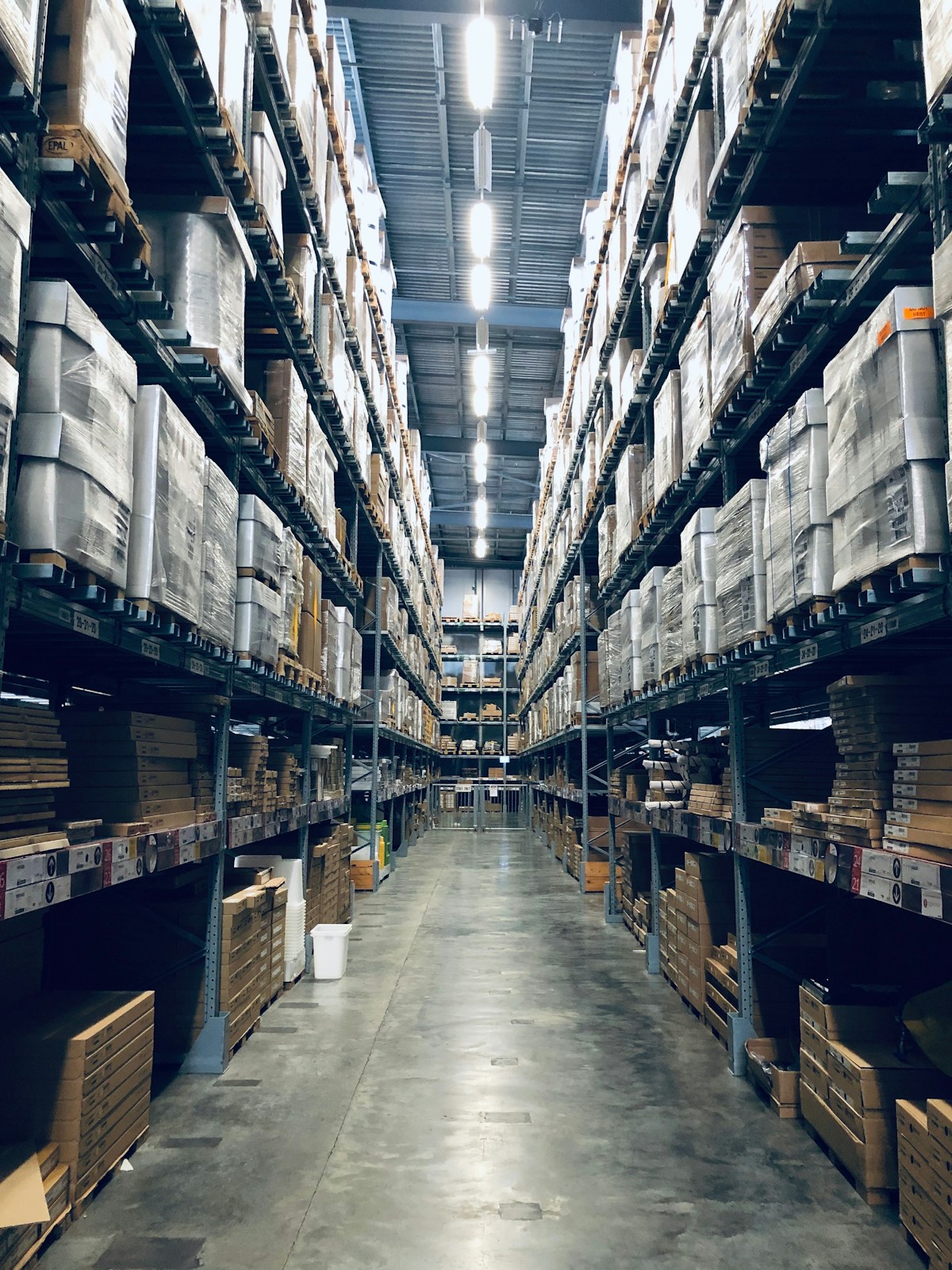
Why Dubai South Warehouses Are the Trade of the Cycle
Structural undersupply, e-commerce tailwinds, and a maturing airport-linked logistics hub have pushed Grade A warehouse cap rates in Dubai South from 10% to ~7.5% — with rents up 25-40% since 2022. Here's the thesis, the risks, and where to enter.

Dubai's New Truck Restrictions from 1 October 2026: Why Your Warehouse Location Matters More Than Ever
Dubai's RTA and Police now restrict truck movement on key roads, with Emirates Road exempt. Banned roads, hours, permits, and what it means for choosing a warehouse location.

As Residential Slows, Why Are Dubai Warehouse and Office Rents Still Rising?
While Dubai home prices eased, warehouse rents rose about 12.5% and office rents 14% in H1 2026. What the data shows, and the slowdown signals to watch.