

Dubai commercial property sales, leases, and service charges generally carry 5% VAT, so the real cash needed is materially higher than the headline price unless you plan for it upfront. VAT-registered companies may recover input tax only if they are properly registered, use the property for taxable commercial activity, and keep fully compliant documentation.
The 5% VAT Trap on Dubai Commercial Property (and How to Handle It)
Buying commercial property in Dubai without accounting for VAT is one of the most expensive mistakes an investor can make — and it happens constantly.
UAE Federal Decree-Law No. 8 of 2017 is unambiguous: commercial property sales and leases are standard-rated at 5% VAT. Residential property is VAT-exempt, with a narrow zero-rating window for the first supply of a new unit. That single distinction has cost unprepared buyers hundreds of thousands of dirhams.
The Real Sticker Price
That AED 3M off-plan commercial unit in the marketing brochure? The actual bill is AED 3.15M once VAT is added — before DLD fees, agent commission, or trustee costs. Always ask whether a quoted price is VAT-inclusive or exclusive. Most aren't inclusive.
Scale that up to a realistic AED 5M commercial office purchase and the full cost-of-ownership looks like this:
| Item | Amount (AED) |
|---|---|
| Property price | 5,000,000 |
| VAT 5% | 250,000 |
| DLD Transfer Fee 4% | 200,000 |
| Agent Commission 2% + VAT | 105,000 |
| Trustee + Title Deed | ~4,300 |
| Total Cash Out | ~5,559,300 |
That is ~11.2% above the headline price. An equivalent AED 5M residential purchase costs roughly ~5.5% above sticker — because there is no VAT. The gap is significant, and it compounds further when service charges arrive, because those carry 5% VAT too. Factor that into your net operating income before you sign anything.
Who Can Actually Reclaim the VAT
VAT-registered companies can reclaim input tax — but three conditions must all be met simultaneously. The company must be VAT-registered, which is mandatory above AED 375,000 annual taxable turnover and voluntary above AED 187,500. The property must be used for taxable commercial supplies, whether that means leasing to a commercial tenant or operating your own business from the space. Documentation must be airtight: valid tax invoices, signed contracts, and DLD certificates on file.
Passive holding structures with no commercial activity get nothing back. If you bought a commercial unit, stuck it empty for two years, and never registered for VAT, the AED 250,000 VAT on that AED 5M purchase is a permanent loss.
The Company Structure Argument
Serious commercial investors should run the numbers on a corporate holding structure before completing any purchase. Setup and annual compliance typically runs AED 15,000–30,000 per year — a cost that disappears quickly once you start recovering input tax on service charges, fit-out and renovation costs, and the ongoing VAT on rental income collected from tenants.
The mechanics of timing matter too. If your taxable turnover is hovering near the AED 375,000 mandatory threshold, registering at the start of the fiscal year rather than mid-year maximises the recovery window on planned capital expenditure. A single large fit-out job can swing the arithmetic decisively in favour of early registration.
Free Zone Properties: A Specialist Lane
Commercial properties inside JAFZA, DAFZA, DIC, and DIFC may qualify for Designated Zone treatment under UAE VAT rules, where transfers between Designated Zones can fall entirely outside VAT scope. This is not a standard investor play — the rules are technical, fact-specific, and regularly scrutinised by the Federal Tax Authority. Engage a UAE-licensed, FTA-registered tax advisor before structuring any transaction around Designated Zone treatment.
Four Things to Do Before You Sign
- Get VAT status in writing. Request written confirmation from the seller of the property's VAT classification before submitting an offer.
- Confirm invoice compliance. Ensure all tax invoices meet FTA formatting requirements — missing details invalidate input tax claims.
- Check turnover timing. Plan VAT registration relative to your fiscal year if significant capex is coming.
- Take free zone deals to a specialist. Designated Zone treatment is not a DIY analysis.
This is general market commentary, not tax or legal advice. Consult an FTA-registered tax agent for advice specific to your transaction and structure.
Sources & Official References
- governmentDubai Land Department (DLD)
- governmentUAE Government Portal — Property & Housing
- governmentUAE Federal Tax Authority (VAT)
Frequently Asked Questions
Related Listings
Skyros Samana | Studio Apartment | in Arjan – Dubailand | HOT
Samana · Arjan – Dubailand
775,000 AED
Binghatti Wraith, Al Jaddaf — Quiet Luxury Apartments from AED 799,999 | Prime Location & Investment ROI
Binghatti Developers · Al Jaddaf, Dubai
AED 799,999
Ramada Residences by Wyndham | 1BR Apartment | Dubai Islands
Grovy Developers · Dubai Islands
AED 2,560,000
HQ by Arista | Office 305 | Al Furjan
Arista Properties · Al Furjan
AED 5,894,700
HQ by Arista | Office Half Floor | Al Furjan
Arista Properties · Al Furjan
AED 19,751,550
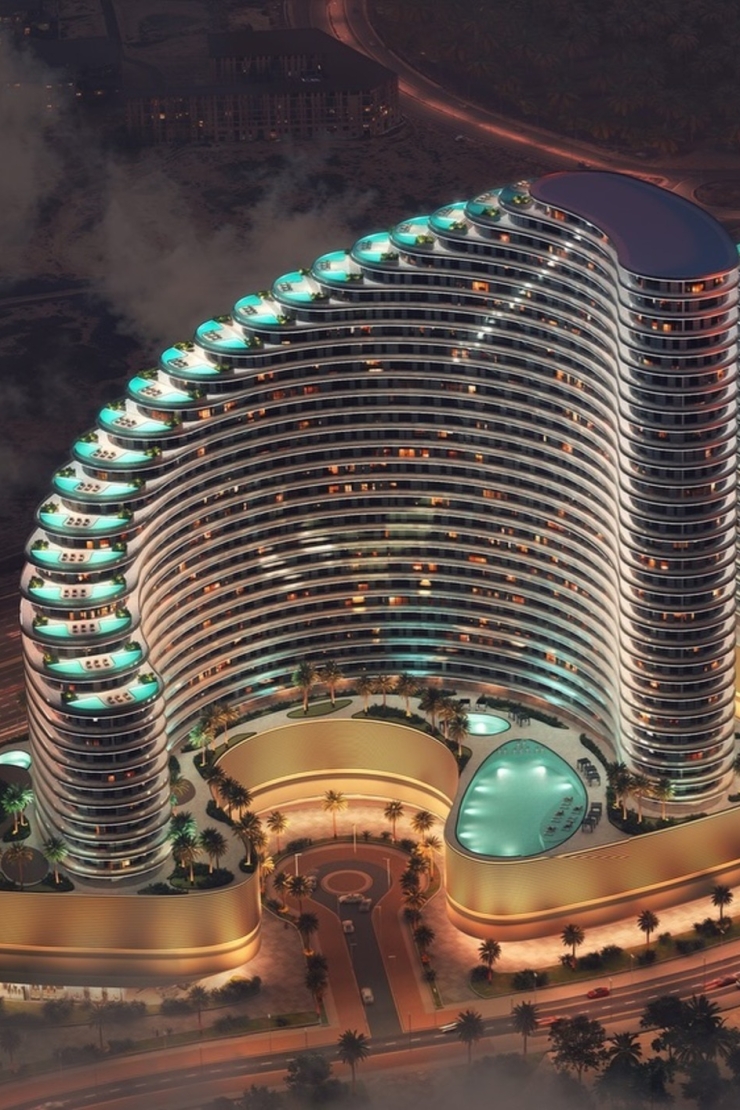
Binghatti Skyflame, Majan — Smart Luxury Living with Off-Plan Investment Upside
Binghatti · Majan, Dubai
AED Price on Request
Match My Requirement
Tell us your budget and preferences — we'll match you with live Dubai & Abu Dhabi inventory within 24h.
Related Articles
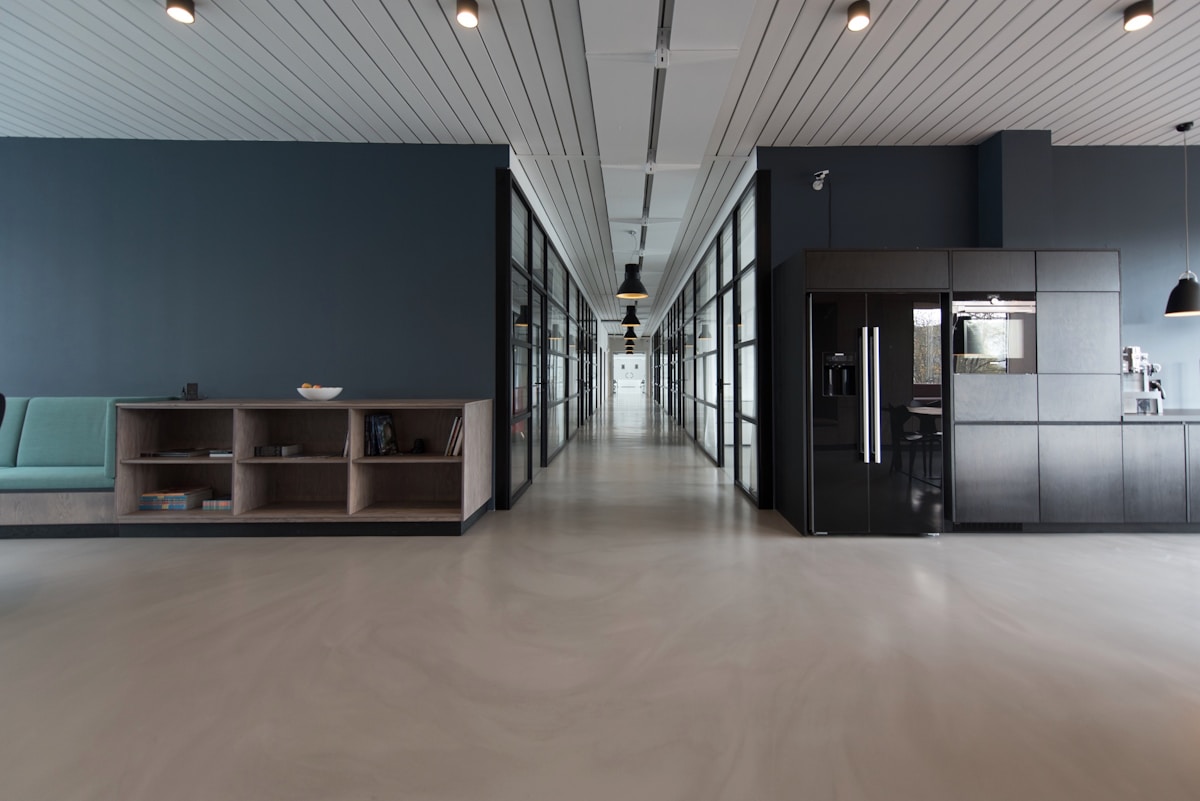
Case Study: Turning an Empty Business Bay Office Floor into an 8.7% Cap Rate
A HNW investor bought a vacant 12,000-sqft Grade B office floor in Business Bay. Through smart re-partitioning, a targeted broker campaign, and phased leasing, we turned it into a stabilised 8.7% cap-rate asset in 11 months. Here's what worked (and what almost didn't).
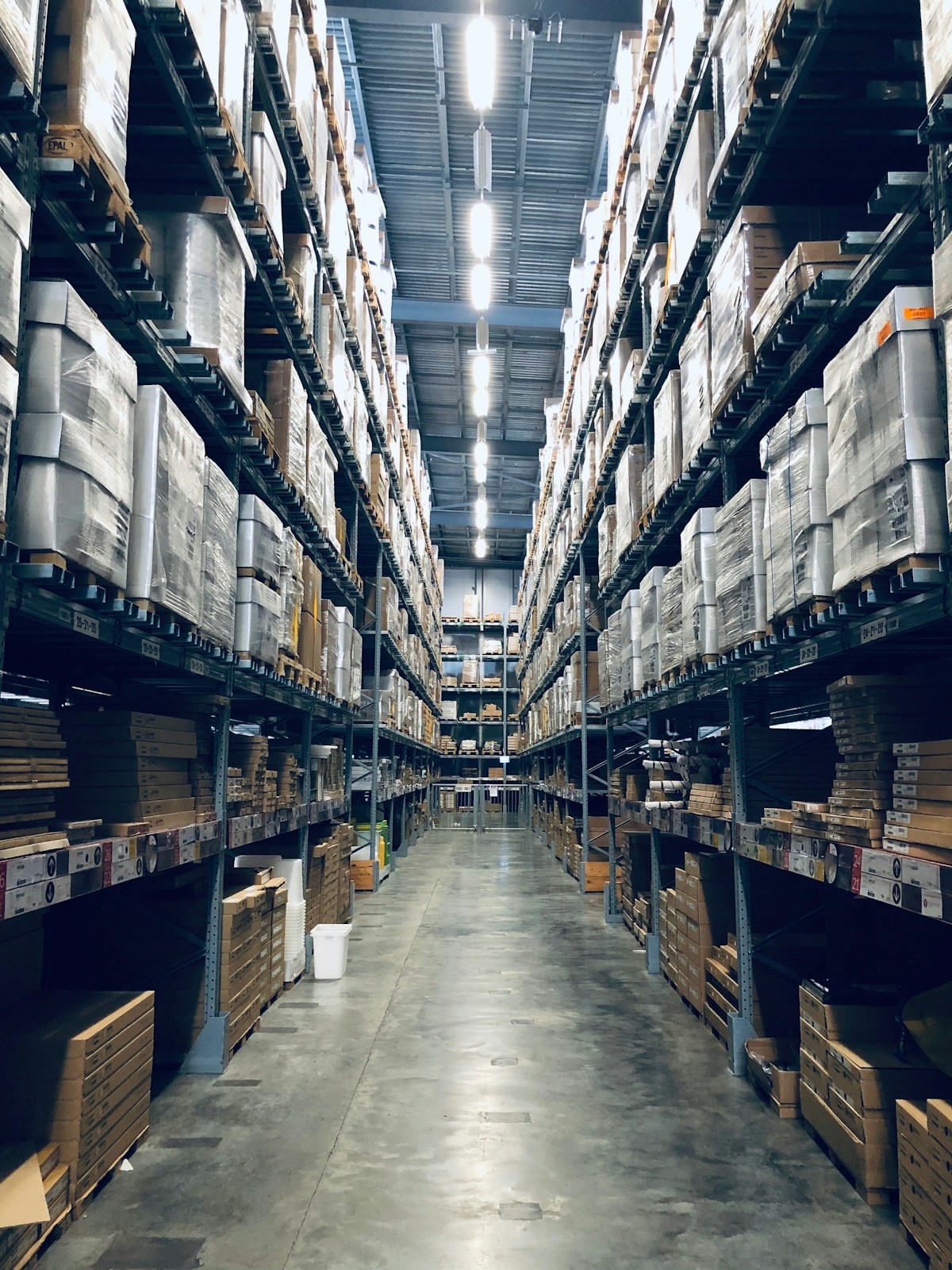
Why Dubai South Warehouses Are the Trade of the Cycle
Structural undersupply, e-commerce tailwinds, and a maturing airport-linked logistics hub have pushed Grade A warehouse cap rates in Dubai South from 10% to ~7.5% — with rents up 25-40% since 2022. Here's the thesis, the risks, and where to enter.

Dubai Commercial Cap Rates 2026: Where the Yields Are (and Aren't)
A data-driven walk through Dubai's commercial cap-rate landscape across offices, retail, warehouses, F&B, medical, staff accommodation, and land — with institutional benchmarks from JLL, CBRE, and Knight Frank.