
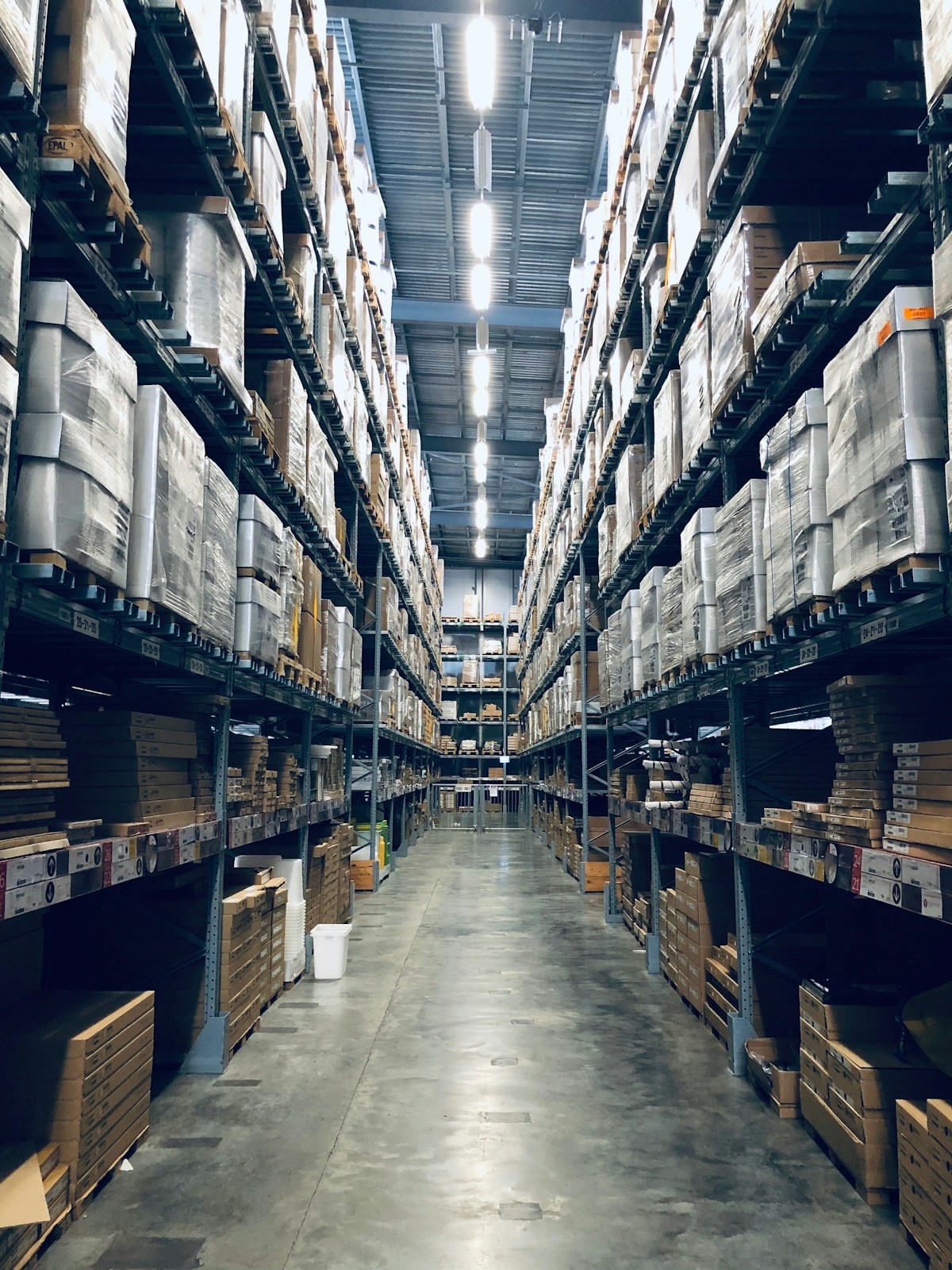
Dubai South warehouses are attractive because Grade A logistics space is structurally undersupplied, vacancy is below 3%, rents are up 25%–40% since 2022, and cap rates have compressed from about 10% in 2020 to 7.5% in 2025. The article’s core thesis is that airport- and port-linked demand, especially from e-commerce and 3PL tenants, could keep supporting values despite supply, rate, and tenant-concentration risks.
Why Dubai South Warehouses Are the Trade of the Cycle
Dubai's Grade A warehouse market is running out of road, and the investors who move in the next 12 months will own the assets that institutions will be chasing at compressed yields by 2027.
The Supply-Demand Gap Is Real, and It Is Getting Worse
Vacancy across Grade A logistics stock — think 300,000+ sqft floorplates, 12-metre-plus clear height, Class-A power supply — sits below 3% in DIP, DWC (Dubai South), and JAFZA right now. That is not a cyclical blip. Rents on prime-spec assets have climbed 25% to 40% since 2022, and cap rates on stabilised product have compressed from roughly 10% in 2020 to 7.5% in 2025. E-commerce is driving the floor underneath all of it: UAE online retail penetration went from 6% in 2019 to approximately 14% in 2024, generating last-mile fulfilment demand that did not exist five years ago. JLL's Dubai Logistics Report 2025, CBRE's UAE Industrial MarketView 2025, and Savills' Dubai Warehousing 2025 all tell the same story.
Why This Is Structural, Not Cyclical
Al Maktoum Airport is being built to become the world's largest cargo hub. Passenger operations relocate there progressively through 2030, and freight forwarders, third-party logistics operators, and e-commerce fulfilment centres have no rational choice but to cluster nearby. You cannot run a time-sensitive supply chain from the wrong side of the city.
Jebel Ali port, operated by DP World, keeps growing throughput. Cargo arriving by sea needs proximate warehousing before it disperses across the region — and Grade A space close to Jebel Ali is finite. Assembling a plot capable of hosting a logistics facility — 100,000+ sqm with the right power infrastructure — is not something a developer can improvise. The land in DIP, DWC, and Al Quoz that actually works is already spoken for or priced accordingly.
Tenants reinforce the dynamic. Once a 3PL has sunk AED 500–1,500 per sqm into racking systems, warehouse management software integration, and cross-dock infrastructure, relocation is punishingly expensive. Renewal probability on established 3PL tenants runs above 85%. These are not tenants who leave because a competitor offers AED 5 per sqft less down the road.
Where to Enter and What Returns to Expect
Option 1 — Buy Existing Grade A Stabilised (cap rate 7.0–8.5%)
This is the passive income play. You acquire an asset with an institutional tenant covenant and collect rent. The discipline is single-tenant risk: avoid any building where one tenant accounts for more than 70% of income unless that tenant's corporate credit is genuinely strong. A covenant from Amazon or DHL is a different conversation from a covenant from an unlisted regional freight broker.
Option 2 — Value-Add Re-Position (target IRR 15–18%)
Buy a 15–20-year-old asset in DIP or Al Quoz at AED 500–700 per sqft. Refurbish it: raise clear height where structurally possible, upgrade power from the typical ~500 kVA to 1,200+ kVA, and add cross-docking capability. Re-lease the repositioned asset at AED 65–85 per sqft per year against the AED 45–55 that Grade B stock commands. Total execution timeline: 24–30 months. The spread between buy price and post-refurb value is where the return lives.
Option 3 — Build-to-Suit for a Specific 3PL (target IRR 18–22%)
Highest returns, but the structure is non-negotiable: you need a signed letter of intent from the tenant before ground is broken. The standard deal is a 10-year triple-net lease at pre-agreed rent with a tenant renewal option. The tenant gets exactly what their operation requires; you get a decade of contracted income and a clean exit story for any institutional buyer.
Risks That Deserve Straight Answers
New supply. Approximately 1.2 million sqft of new Grade A space is under construction across Dubai South and DIP for 2026–2027 delivery. Demand should absorb it — but underwrite for new-supply concessions when negotiating leases that straddle that delivery window.
Interest rates. Warehouse pricing is cap-rate sensitive. If UAE rates stay elevated, values can move against you fast. Stress-test every acquisition at an exit cap rate +100 basis points above your entry assumption.
Tenant concentration. Amazon, Noon, and DHL dominate large-format demand in this market. The probability of any of them exiting Dubai is low, but a simultaneous pullback across two of the three would reprice the sub-sector. Spread exposure where you can.
Underwriting Checklist Before Any Offer
- Confirm zoning classification — industrial vs. light industrial vs. mixed-use — through DED before proceeding
- Verify existing power supply capacity and price any upgrade into your acquisition cost
- Commission a ground and soil test on any plot with a history of vacancy
- Scrutinise tenant lease terms: remaining duration, renewal mechanics, break clauses
- Stress-test service charge history, particularly in Al Quoz buildings with volatile owners' association fee structures
- Confirm approvals status for cross-docking, cold-chain, or dangerous goods handling if operationally relevant to the target tenant
This article is for informational purposes only and does not constitute investment, legal, or financial advice. Always conduct independent due diligence and consult qualified advisers before committing capital to any real estate transaction.
Sources & Official References
- governmentDubai Land Department (DLD)
- governmentUAE Federal Tax Authority (VAT)
Frequently Asked Questions
Related Listings
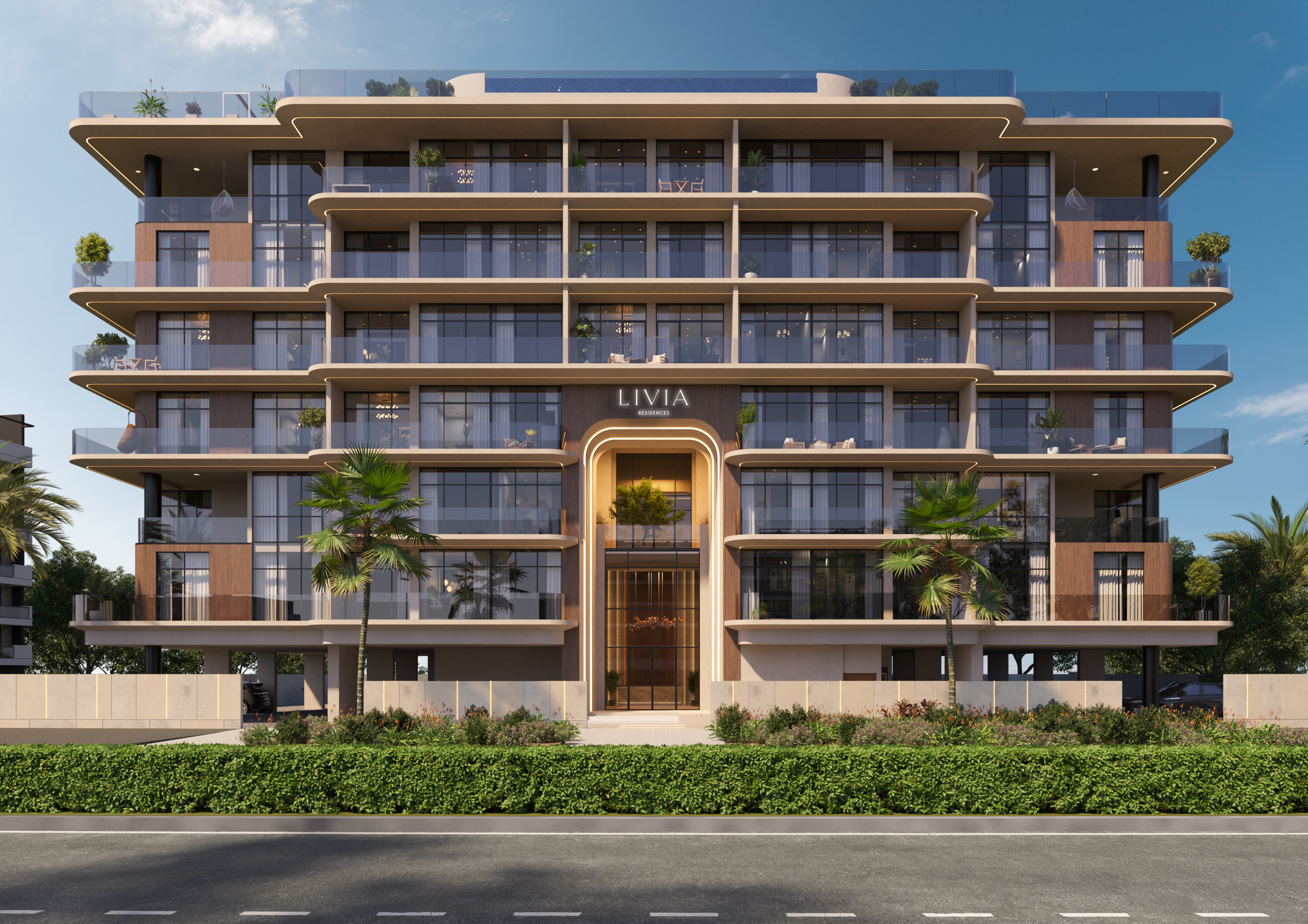
Livia Residences | 1BR Apartment | Dubai South
BARCO Developers · Dubai South
AED 1,101,555
Livia Residences | Studio Apartment | Dubai South
BARCO Developers · Dubai South
AED 657,555
Livia Residences | 2BR Apartment | Dubai South
BARCO Developers · Dubai South
AED 1,609,555
Livia Residences | 2BR Apartment | Dubai South
BARCO Developers · Dubai South
AED 1,617,555
Livia Residences | 2BR Apartment | Dubai South
BARCO Developers · Dubai South
AED 1,619,555
Livia Residences | 1BR Apartment | Dubai South
BARCO Developers · Dubai South
AED 1,075,555
Match My Requirement
Tell us your budget and preferences — we'll match you with live Dubai & Abu Dhabi inventory within 24h.
Related Articles
Dubai Commercial Cap Rates 2026: Where the Yields Are (and Aren't)
A data-driven walk through Dubai's commercial cap-rate landscape across offices, retail, warehouses, F&B, medical, staff accommodation, and land — with institutional benchmarks from JLL, CBRE, and Knight Frank.
Case Study: Turning an Empty Business Bay Office Floor into an 8.7% Cap Rate
A HNW investor bought a vacant 12,000-sqft Grade B office floor in Business Bay. Through smart re-partitioning, a targeted broker campaign, and phased leasing, we turned it into a stabilised 8.7% cap-rate asset in 11 months. Here's what worked (and what almost didn't).

Dubai's New Truck Restrictions from 1 October 2026: Why Your Warehouse Location Matters More Than Ever
Dubai's RTA and Police now restrict truck movement on key roads, with Emirates Road exempt. Banned roads, hours, permits, and what it means for choosing a warehouse location.