

Wealth management in the UAE coordinates your full balance sheet — investments, real estate, tax exposure, cash flow and succession — while asset management only runs a portfolio mandate. If your wealth spans multiple assets, currencies or jurisdictions, wealth management becomes the more relevant service because someone is accountable for how every part fits together.
What Is Wealth Management in the UAE — And How It Differs From Asset Management
Wealth management is not a fancy label for picking stocks. It is a full-service relationship: someone sits on your side of the table and coordinates your investments, your property, your tax exposure, your inheritance plan and your cash flow as one connected map. Asset management handles a single job — growing a portfolio of financial instruments. Wealth management handles the whole picture around that portfolio. If you have crossed the point where a single account or a single property no longer captures your net worth, you need the second one, not the first.
The Short Definition That Actually Holds Up
A wealth manager is a personal financial officer. Their day starts with your balance sheet, not with the market. They know which of your assets throws off income, which one is illiquid, which one is exposed to a specific currency, and where your next big cash outflow is scheduled. Their job is to make sure every decision fits the same plan, and that no single asset moves without someone checking the effect on the rest.
An asset manager, by contrast, is paid to run a mandate. You hand them capital with a target — grow it, protect it, or match a benchmark — and they build a portfolio inside that box. They do it well, but they will not look outside their box. If you own a warehouse in Dubai South, a family business in Riyadh and a listed portfolio in London, the asset manager will only see the last one.
Asset Management vs Wealth Management — The Difference In Plain Words
Asset management is a product. Wealth management is a service around your entire financial life. A single client can have several asset managers — one for equities, one for private markets, one for a bond mandate — and still need a wealth manager sitting above all three, deciding how much goes where and when to rebalance the whole structure.
The second difference is depth. An asset manager reports to you on the mandate they hold. A wealth manager reports to you on your net worth. That includes the property you rent out in JVC, the deposit sitting in an ADCB account, the equity you hold in your operating company, and the pension you built during ten years in London. A good wealth manager knows all of those numbers by heart. A good asset manager knows the mandate they run for you and nothing more.
What a Wealth Manager Actually Does in the UAE
The daily work looks less glamorous than the brochure. A wealth manager in Dubai typically owns four things for a client. First, an investment policy statement — a written document that says what your portfolio is trying to do, how much risk it can carry, and what it should never own. Second, an asset allocation plan across cash, listed markets, private markets and real estate. Third, a cash-flow calendar showing when income arrives, when tax and school fees leave, and when large discretionary payments are planned. Fourth, a succession structure — usually a will governed by DIFC or ADGM courts, sometimes a trust or a foundation for larger balance sheets.
The UAE context adds two layers most global wealth managers do not handle well. Real estate is a much bigger share of a UAE resident's balance sheet than in most other markets, and it needs its own view. And the region's tax picture is unusual — no personal income tax, but a corporate tax regime, VAT, and foreign tax exposure for anyone who kept passports, pensions or property abroad. A wealth manager who does not think about all three is not doing the job.
Who Should Have a Wealth Manager and Who Should Not
If your entire net worth sits in one salary account, one home and one pension, you do not need a wealth manager. A good bank relationship, a low-cost investment platform and an honest broker are enough. The reason wealth management exists is complexity — multiple accounts, multiple currencies, multiple jurisdictions, several income sources, and often a business alongside the personal balance sheet.
The common trigger is a liquidity event: selling a company, receiving an inheritance, exiting a property portfolio, or crossing the point where the accumulated stack of decisions is bigger than any single person can keep track of. That is the moment when the cost of a good wealth manager stops being an expense and starts being an insurance policy against your own future mistakes.
Fees and How They Actually Get Charged
There is no single fee model in the UAE market. Some wealth managers charge a percentage of assets under management, usually somewhere in the low single digits per year, tiered lower as the balance grows. Some charge a flat retainer for planning, then commissions or spreads on specific transactions. Some use a hybrid. What matters is that you can read the fee page in one sitting and understand where every dirham goes.
Two red flags. A firm that will not put its total annual cost on a single page, in AED, for your specific balance, is a firm you cannot compare against another. And a fee model that pays your adviser only when they sell you something new pushes them, quietly, into over-trading your account. Ask for the cost sheet before you ask about performance.
FAQ
What is wealth management in one sentence? Wealth management is a coordinated service that treats your investments, property, tax exposure, cash-flow and inheritance plan as one connected map, with one adviser accountable for how the parts fit together.
What is the difference between asset management and wealth management? Asset management is a portfolio-only mandate. Wealth management is a service around your whole balance sheet. A wealth manager can hire several asset managers on your behalf and still be the person accountable for the total picture.
Do I need a wealth manager in the UAE if I already have a private banker? Sometimes yes. A private banker at a UAE bank usually manages your relationship with that bank — accounts, credit and the bank's own products. A wealth manager sits above your banking relationship and looks at your net worth across every institution and every jurisdiction, not just the bank you happen to sit with.
Is wealth management only for very rich clients? No, but it becomes cost-effective once the complexity of your balance sheet is high enough that the fee is smaller than the mistakes you would make on your own. A single account and a single property rarely justify the cost. Multiple assets across jurisdictions almost always do.
How are wealth management fees charged in Dubai? Common models are a percentage of assets under management, a flat annual retainer, transaction commissions, or a hybrid of the three. The cost that matters is the total annual number in AED for your specific balance, not the headline percentage.
Can a wealth manager manage my real estate as well as my portfolio? The best ones do. Real estate is a much larger share of a UAE resident's balance sheet than in most other markets, and treating it separately from the portfolio produces worse decisions on both sides.
This content is informational and not financial advice. Talk to a licensed adviser about your specific situation.
Sources & Official References
- governmentDubai Land Department (DLD)
- governmentUAE Government Portal — Property & Housing
Frequently Asked Questions
Related Listings

Exclusive Freehold Villa Plot in Dubai Hills Estate | Ready-to-Build with Approved G+1 Design
Emaar (Dubai Hills Estate) · Dubai Hills Estate, Dubai
AED 18,362,500
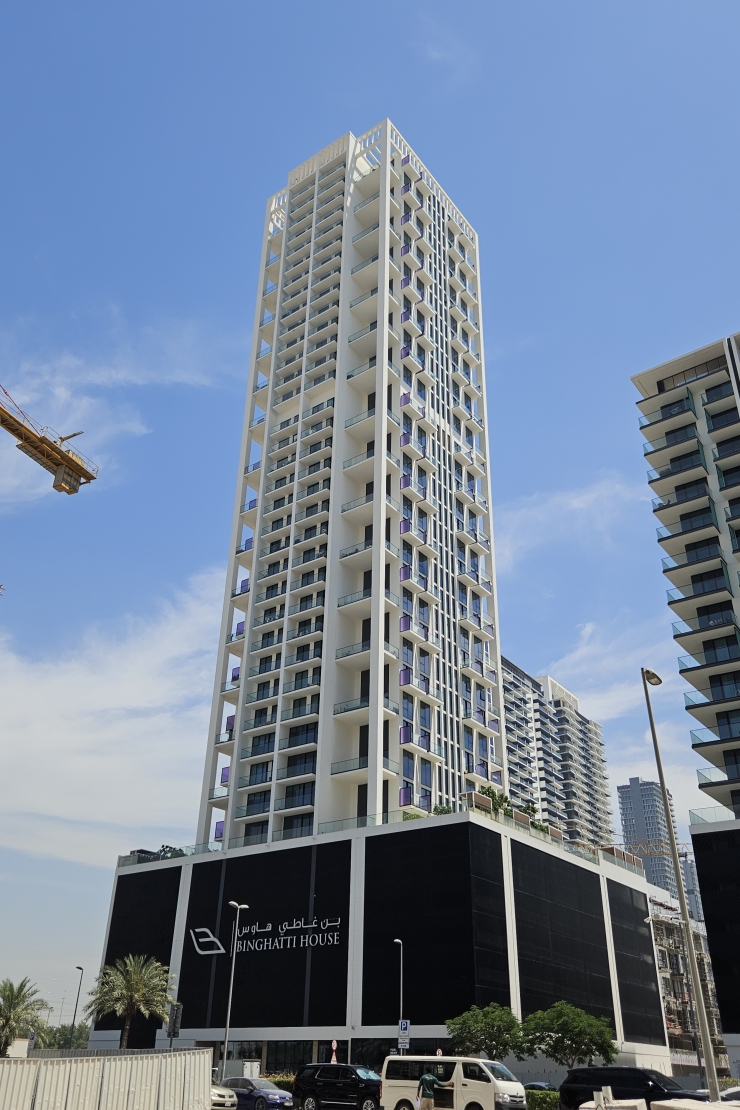
Binghatti House | 2BR Apartment | in JVC | HOT
Binghatti · JVC
1,605,000 AED
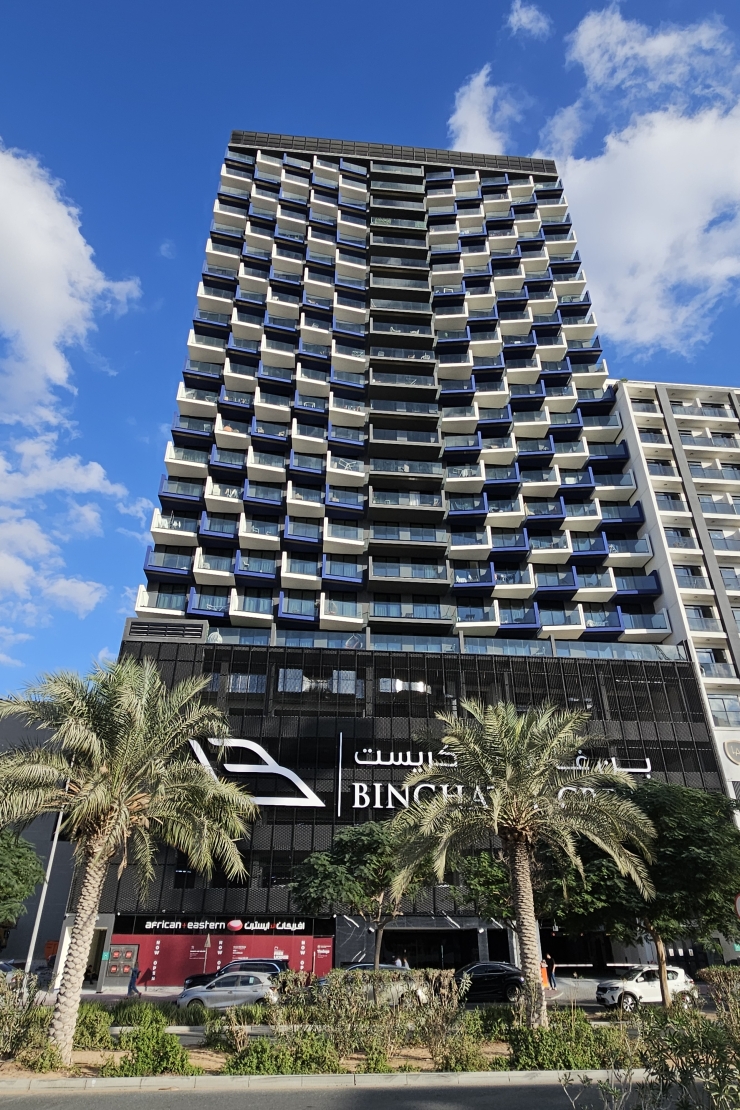
Binghatti Crest | 3BR Apartment | in JVC | HOT
Binghatti · JVC
1,800,000 AED (Furnished)
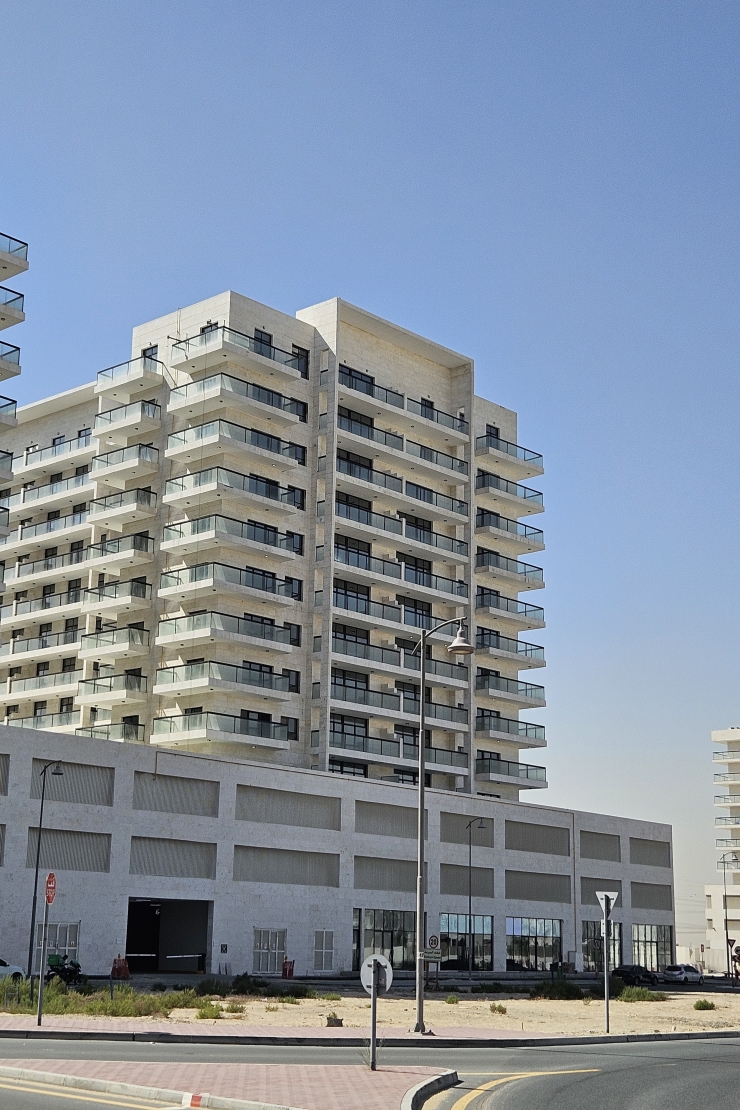
Equiti Home | 1BR Apartment | in Al Furjan | HOT
BNH Real Estate · Al Furjan
970,000 AED

FIVE Luxe Hotel & Residence | 5BR + Maid Hotel Apartment | in JBR | HOT
FIVE Holdings · JBR
25,000,000 AED / 25,000,000 AED (Furnished)

Azizi Gardens | 1BR Apartment | in Meydan MBR | HOT
Azizi · Meydan MBR
930,000 AED
Match My Requirement
Tell us your budget and preferences — we'll match you with live Dubai & Abu Dhabi inventory within 24h.
Related Articles

Real Estate Wealth Management in Dubai: Why 30–40% of an HNWI Portfolio Ends Up in Property
Real estate wealth management is not property management. It treats every property you own as part of one portfolio — with an allocation target, an ownership structure, income oversight and one annual review. Here is how it actually works for a Dubai HNWI, and where portfolios quietly leak 100–200 basis points a year.

Wealth Management in Dubai for HNWIs: What Actually Sits Inside a Real Portfolio
A real HNWI portfolio in Dubai is messier than the marketing chart. Five buckets, an oversized real estate line, a multi-currency map, and governance that most global textbooks ignore. Here is what actually sits inside — and where portfolios usually leak money.

How to Choose the Right Commercial Location for Your Business
A practical guide for business owners and investors on selecting the right commercial location: accessibility, target audience, competition, cost, infrastructure, and the common mistakes to avoid.