

Real estate wealth management in Dubai means managing all your properties as one portfolio, not as separate deals. For many HNWIs, property reaches 30–40% of net worth, so the key is deliberate allocation, aligned ownership structures, income and cost oversight, and one annual AED-based review to stop hidden return leakage.
Real Estate Wealth Management in Dubai: Why 30–40% of an HNWI Portfolio Ends Up in Property
Real estate wealth management is not property management. Property management collects rent, chases service charges and finds tenants. Real estate wealth management sits one level up: it treats every property you own as part of a portfolio, with an allocation target, a risk view, an income forecast, and a coordinated tax and succession structure. For high-net-worth individuals living in Dubai, the property line usually ends up as the largest single asset class on the balance sheet. Managing it as a portfolio, rather than as a stack of individual deals, is what separates people who compound wealth from people who accumulate assets.
Why Real Estate Sits So Big in a Dubai HNWI Portfolio
A few structural reasons drive this. Dubai property has been a genuine wealth engine over the last decade — appreciation plus rental yield, amplified by the leverage baked into developer payment plans. There is no personal income tax to erode either rental income or capital gains. Freehold ownership for foreigners is fully protected under DLD's regulatory framework. And the market rewards patience the way few other real estate markets do — the buyers who compounded through multiple cycles usually outperformed the buyers who traded every unit within twelve months.
That combination pushes UAE residents to allocate a bigger share of their net worth to property than an equivalent client in London, New York or Singapore. The mistake is assuming that because it's a bigger share, it needs less oversight. The opposite is true. When one asset class dominates a portfolio, it is the one that needs the tightest governance.
What "Real Estate Wealth Management" Actually Includes
Six things sit inside a proper real estate wealth management mandate for a Dubai HNWI. Allocation strategy — how much of your total balance sheet should sit in real estate, and how that number should shift over time. Portfolio construction — the split between residential, commercial, retail and off-plan; the split between ready-yielding assets and appreciation plays; the split between Dubai and any overseas property you hold. Ownership structure — whether each asset sits in personal name, a holding company, a foundation or a trust, and why. Income and expense management — rental collection, service charge review, property management oversight, and an annual profit and loss for the property portfolio as a stand-alone unit. Succession and legal — DIFC or ADGM wills, gifting structures, and coordination with your home-country lawyer. Reporting — a single annual review in AED, showing net yields, capital appreciation, and where the portfolio stands against its target allocation.
Not one of those six is "buying and selling houses." That is what a broker does. Real estate wealth management is what you need after the broker is done.
The Allocation Question — How Much Property Is Too Much?
There is no universal right answer. A younger client with a growing operating business and limited liquid capital might sit at 15–20% property. A retired client with a mostly-cash balance sheet and a low-tax residency might comfortably sit at 40–50%. What matters is that the number is deliberate, and that it is monitored.
Two flags. If your property allocation drifts above the level you planned and you cannot say when that happened, the portfolio is running you rather than the other way around. And if your property allocation is concentrated in a single sub-market, a single developer or a single price band, you are carrying idiosyncratic risk that a diversified allocation would not carry. Both are fixable, but not until you can see them on paper.
Residential vs Commercial vs Off-Plan Inside the Portfolio
A working Dubai real estate portfolio usually blends three categories, each doing a different job. Ready residential produces stable, high-single-digit gross rental yields and does the cash-flow work — it pays for the portfolio's costs and generates income. Commercial (office, warehouse, retail) produces higher yields but with longer lease cycles and more operational complexity — it is a yield amplifier when done well. Off-plan sits at the appreciation end — no yield during construction, but staged payment plans that let you commit less cash for a longer horizon, targeting price growth over the construction period.
Blending the three is what makes the portfolio look like a portfolio rather than a bet. A pure ready-residential book is safe but slow. A pure off-plan book is high-return but cash-hungry and risk-heavy. The right blend for you depends on your cash-flow needs and your appetite for construction and market risk.
Ownership Structure — Why It Matters More Than Buyers Think
Every property in your portfolio should sit inside a deliberate ownership structure. Personal name is simple and cheap but exposes the asset to any personal claim and to your home-country succession rules. A UAE holding company adds a layer of privacy and can simplify succession, but it costs annual accounting fees and needs to be maintained cleanly. A DIFC or ADGM foundation gives strong succession protection for larger balance sheets but is not necessary for every client.
The mistake is buying properties one at a time, each in whatever structure the sales adviser suggested that week. Real estate wealth management aligns the structures, so ten properties are held in a way that makes sense together — not in ten different setups.
Where the Portfolio Leaks Money
Three lines quietly leak the biggest returns. Service charges — often 30–40% of gross rental yield if the building is inefficient — are rarely renegotiated even when the community's rates are visibly out of line. Property management fees, agency commissions and vacancy periods eat into net yield if the property is passed between managers without a single owner reviewing performance. And the currency line — rent collected in AED on a property whose mortgage is denominated in another currency — can quietly cost more than any of the above if the FX move is unfriendly.
Fixing those three lines is the fastest way to add 100 to 200 basis points to a property portfolio's net return without buying or selling anything. That is real estate wealth management at its most valuable.
How Muhalab Adam Approaches HNWI Portfolios
Muhalab Adam is built for exactly this layer. We are not a brokerage that closes a deal and hands you the keys. We work with high-net-worth clients who already own multiple properties in Dubai — or are about to build a portfolio — and want a coordinated approach that sits above the individual transaction. That means portfolio-level advisory, aligned ownership structures, professional oversight of income and expense, and one annual review that shows you where the portfolio actually stands in AED, net of every cost.
If you are managing a stack of individual property decisions, and want them to start behaving like a portfolio, that is the conversation to have.
FAQ
What is real estate wealth management in Dubai? It is the discipline of treating every property you own as part of a coordinated portfolio, with an allocation target, an ownership structure, professional oversight of income and expense, and a single annual review — rather than treating each property as a separate deal.
How much of a Dubai HNWI portfolio is usually in real estate? For many long-term residents, real estate ends up being 30–40% of the balance sheet, sometimes more. That is higher than in peer global markets and needs to be managed as a full asset class, not a hobby.
What is the difference between real estate wealth management and property management? Property management is operational — rent collection, service charges, tenant management. Real estate wealth management is portfolio-level — allocation strategy, ownership structure, tax and succession, and annual reporting across all your properties.
Should each property I own sit in its own holding company? Not automatically. Some HNWI portfolios use one UAE holding company for multiple properties, some use a foundation for succession purposes, and some hold small portfolios in personal name. The right structure depends on the size of the portfolio, your residency, and your succession plan. A wealth manager can align the structures so they make sense together.
How can I improve the net yield of my Dubai property portfolio without buying or selling? Three fixes usually add the most: renegotiating service charges where the community rate is out of line, consolidating property management under one accountable operator, and reviewing your currency exposure if rent and mortgage are in different currencies. Those three together often add 100–200 basis points of net return.
Does Muhalab Adam offer real estate wealth management? Yes. Our advisory model is built around HNWI clients who already own multiple Dubai properties or are building a portfolio, and want a coordinated approach across allocation, structure, income and reporting — rather than isolated transactions.
This content is informational and not financial advice.
Sources & Official References
- governmentDubai Land Department (DLD)
- governmentUAE Government Portal — Property & Housing
Frequently Asked Questions
Related Listings

Exclusive Freehold Villa Plot in Dubai Hills Estate | Ready-to-Build with Approved G+1 Design
Emaar (Dubai Hills Estate) · Dubai Hills Estate, Dubai
AED 18,362,500
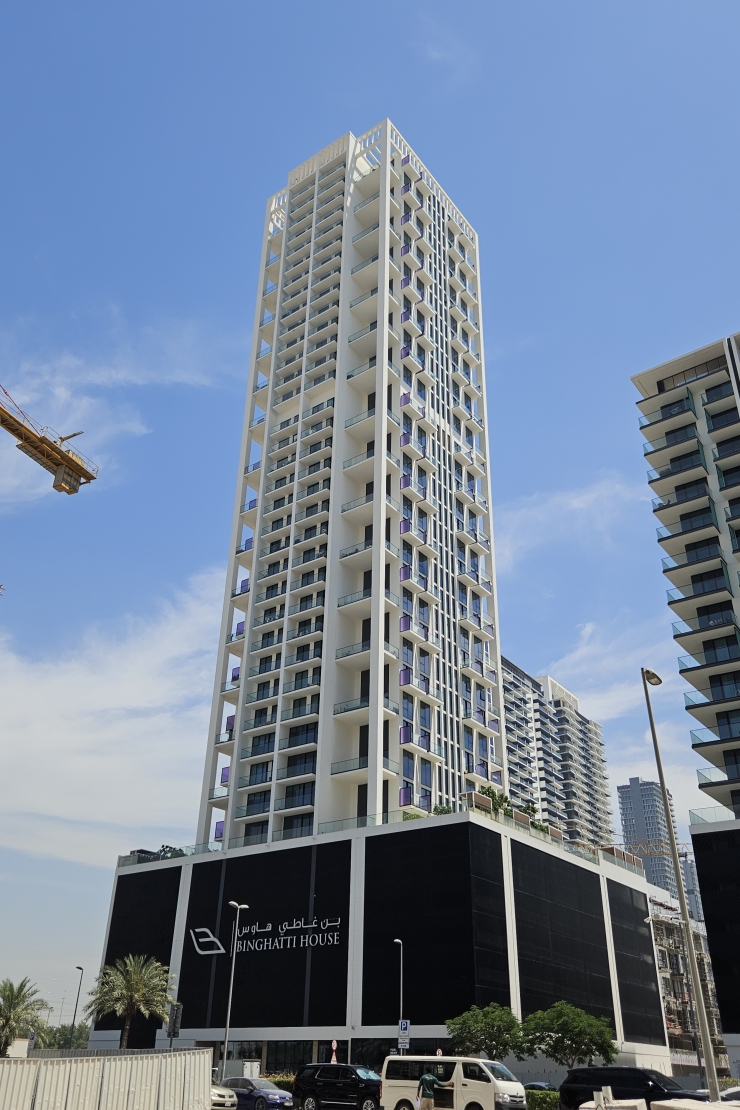
Binghatti House | 2BR Apartment | in JVC | HOT
Binghatti · JVC
1,605,000 AED
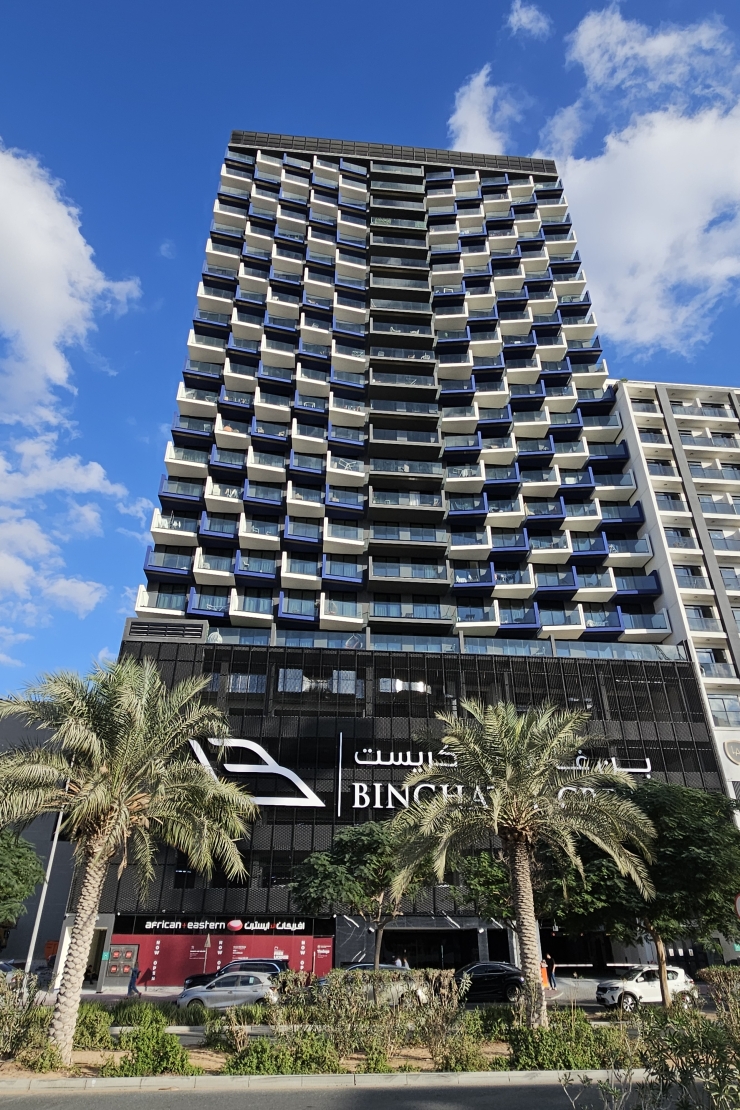
Binghatti Crest | 3BR Apartment | in JVC | HOT
Binghatti · JVC
1,800,000 AED (Furnished)
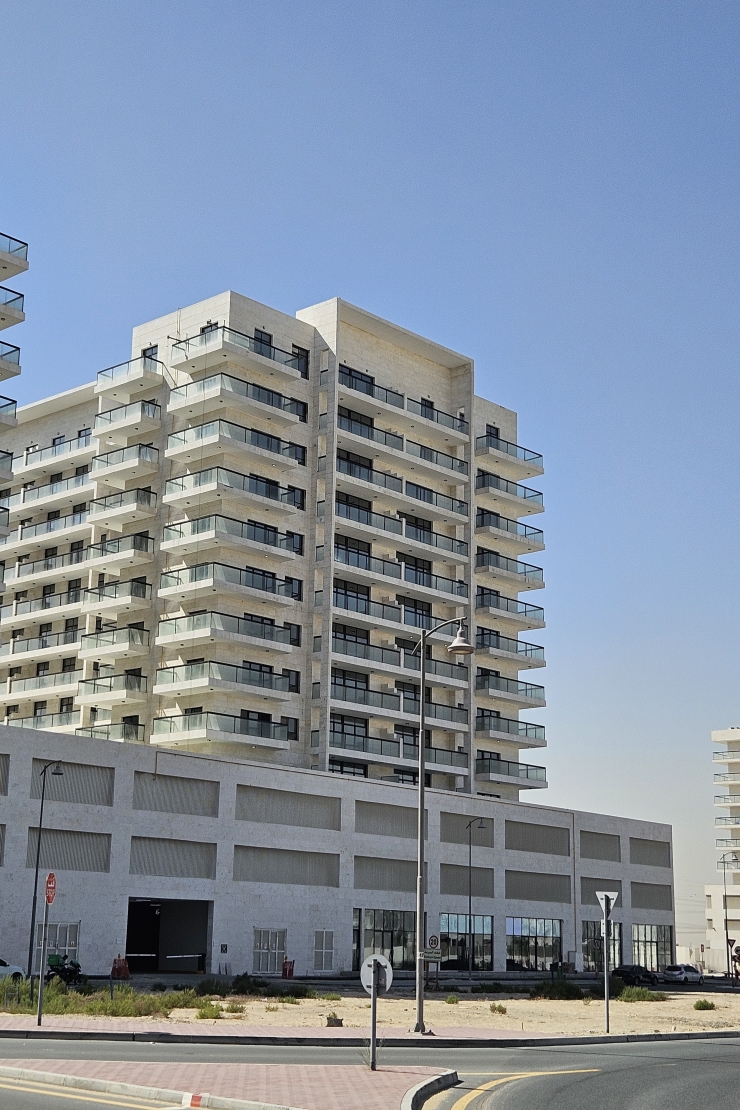
Equiti Home | 1BR Apartment | in Al Furjan | HOT
BNH Real Estate · Al Furjan
970,000 AED
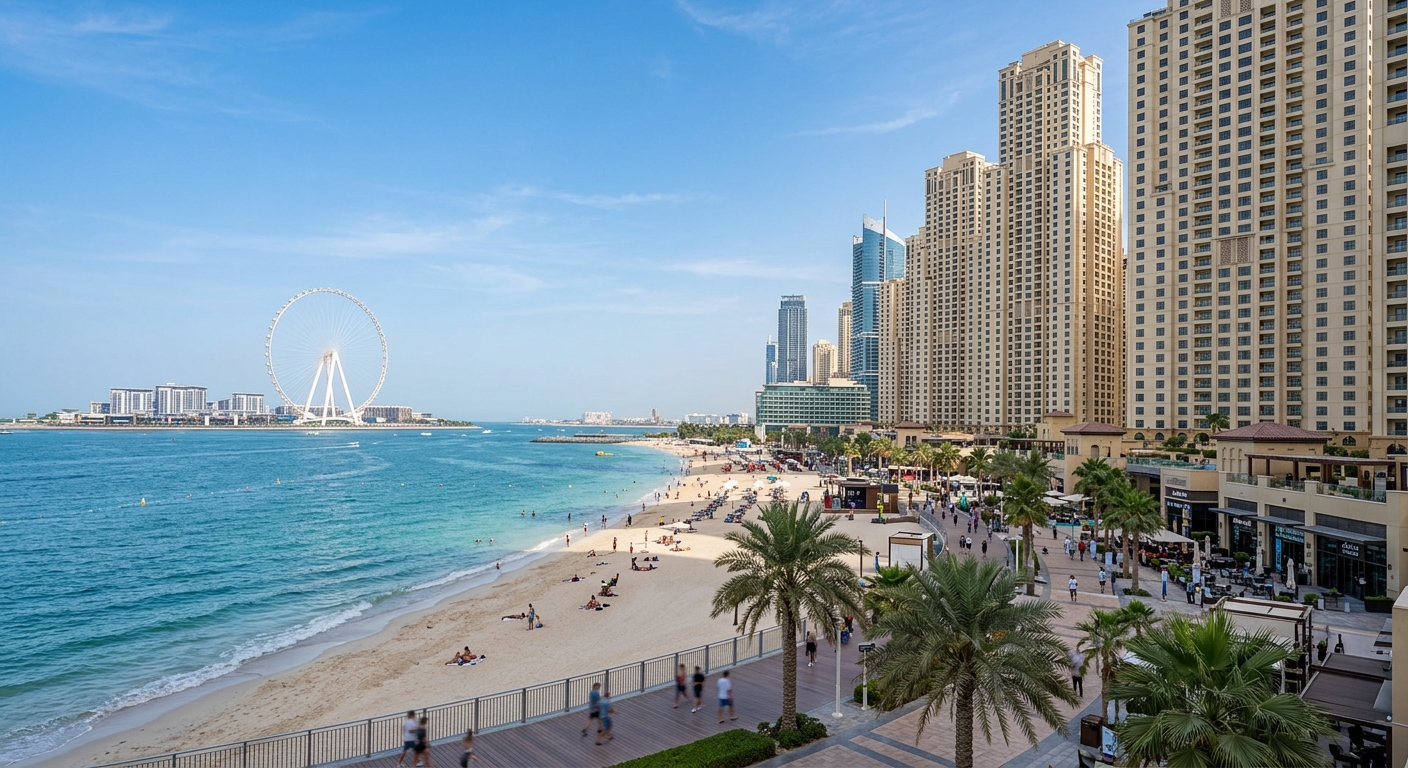
FIVE Luxe Hotel & Residence | 5BR + Maid Hotel Apartment | in JBR | HOT
FIVE Holdings · JBR
25,000,000 AED / 25,000,000 AED (Furnished)
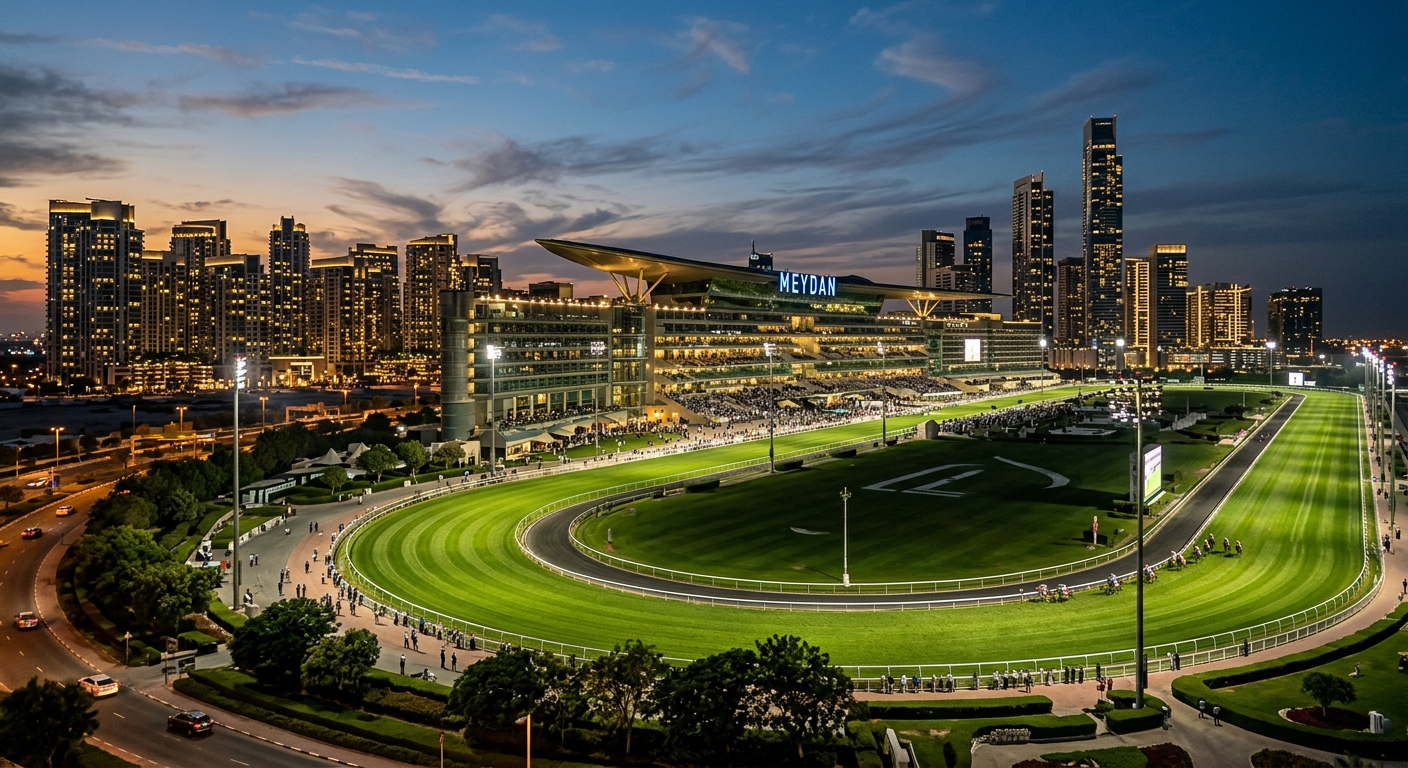
Azizi Gardens | 1BR Apartment | in Meydan MBR | HOT
Azizi · Meydan MBR
930,000 AED
Match My Requirement
Tell us your budget and preferences — we'll match you with live Dubai & Abu Dhabi inventory within 24h.
Related Articles

What Is Wealth Management in the UAE — And How It Differs From Asset Management
Wealth management is not a fancy label for picking stocks. It is a coordinated service around your entire balance sheet — investments, property, tax exposure, cash-flow and succession. Here is how it differs from asset management, and when a UAE resident actually needs it.

Wealth Management in Dubai for HNWIs: What Actually Sits Inside a Real Portfolio
A real HNWI portfolio in Dubai is messier than the marketing chart. Five buckets, an oversized real estate line, a multi-currency map, and governance that most global textbooks ignore. Here is what actually sits inside — and where portfolios usually leak money.

The Best Property Investment Strategy in Dubai 2026: Off-Plan, Ready, or Commercial?
The best property investment strategy in Dubai for 2026 is not a single asset class — it is a decision tree that starts with two questions about your own money. Ready residential, off-plan, or commercial. Here is how to pick, and why a blended portfolio usually beats a pure play.