

A real Dubai HNWI portfolio is not a neat model allocation: it usually runs across five buckets, with real estate often the largest at 30–40%, plus meaningful AED and foreign-currency exposure. The biggest leaks are usually hidden in concentration, idle cash, legacy overseas assets, and total fees spread across funds, custody, property and legal structures.
Wealth Management in Dubai for HNWIs: What Actually Sits Inside a Real Portfolio
The typical picture of a Dubai wealth management portfolio — a chart with five neat slices, a headline yield and a smiling adviser next to it — is not a portfolio. It is a marketing artefact. The real portfolio of a high-net-worth individual living in Dubai is messier, more concentrated in real estate than any European or American peer, and shaped by three constraints that most global textbooks ignore: no personal income tax, multi-currency exposure across GCC and home-country markets, and a real estate market that is a genuine wealth engine rather than a lifestyle expense.
The Five Buckets That Actually Run the Portfolio
Below the marketing chart, a working HNWI portfolio in Dubai sits in five buckets. Cash and cash-equivalents. Listed markets. Private markets and direct company holdings. Real estate. Legacy assets in the home country.
The proportions change with the client, but the shape is unusually consistent. Cash is larger than in Western portfolios because it is doing more work — funding the next property, funding the next capital call in a private deal, and buffering against currency swings. Real estate is usually the biggest single line, often 30–40% of the total. Listed markets are typically smaller than in a similar European portfolio, because the client's own operating business, or a direct stake in someone else's, is already carrying that risk in another bucket.
That shape is not accidental. It is what happens when a portfolio is built by someone who lives inside the region and understands where the real returns have come from over the last decade.
Why Real Estate Sits So Big
Dubai residents allocate more of their net worth to real estate than a comparable investor in London, New York or Singapore, for three reasons. The first is that property here has been a genuine wealth engine — capital appreciation plus rental yield, with the added leverage of developer payment plans — rather than just a place to live. The second is that the tax picture makes rental income and capital gains materially more valuable on an after-tax basis than in most peer markets. The third is that many HNWI clients arrived in Dubai after already running a portfolio of listed and private assets elsewhere; real estate here is often the newest and fastest-growing part of a balance sheet they built abroad.
A properly-managed portfolio treats that real estate line as a real asset class, with its own asset allocation view, its own risk analysis and its own income and expense forecast — not as a separate hobby.
Currency Exposure — The Line Most Portfolios Get Wrong
Wealth in Dubai is almost never single-currency. Income arrives in AED. Investments sit in USD, GBP, EUR and sometimes SAR. Legacy assets are denominated in whatever currency your home country uses. Rent from an overseas property lands in one currency and pays the mortgage in another.
A good wealth manager in Dubai builds a currency map alongside the asset allocation, not underneath it. That map answers three practical questions. Which currency is your cost of living in? Which currency will your children's education be in? Which currency will your retirement be in? Once those three answers are on paper, the portfolio can be built to match — often by holding more AED cash than an American adviser would recommend, and less exotic currency exposure than a global institutional model would produce.
Fees, Structures and the Real Cost of Being Rich in Dubai
The cost of managing an HNWI portfolio in Dubai is not the wealth manager's fee. It is the sum of the wealth manager's fee, the underlying fund fees, custody and platform fees, transaction spreads, real estate service charges, property management fees, and any tax reporting or legal work required in your home country.
A serious portfolio review lays all of those out in one place, once a year, in AED. Clients are often surprised that the wealth manager's own fee is a smaller line than the fund-level fees they were already paying through their existing broker, or the property management fees eating into their rental yields. Aggregating those numbers is not a game — it is where 100 to 200 basis points of extra return often hide, waiting to be reclaimed by anyone willing to add up the columns.
Governance — The Structure You Do Not See From Outside
An HNWI portfolio needs governance the way a business needs a board. Common structures used in Dubai include DIFC or ADGM wills for succession, sometimes a foundation or trust for larger balance sheets, a personal investment holding company for portfolio assets, and a real-estate holding entity for property. Each structure has a cost and a benefit, and none of them are universally right.
The role of the wealth manager is not to sell you the most complex structure. It is to explain, in AED and in plain words, which structure protects you against which risk — succession disputes, currency devaluation, changes in your residency status, or the failure of a specific bank. Structures that solve a real risk are worth their cost. Structures that solve a hypothetical risk are just extra fees.
Where Portfolios Usually Fail
Three failure modes appear in almost every messy HNWI portfolio in Dubai. Concentration in a single property or a single developer, without the owner realising how large that line has grown. Cash sitting for years in a low-yield deposit because no one owns the job of reviewing it. And legacy assets in the home country that have not been visited by any adviser in five or ten years, quietly running in the wrong currency and the wrong tax structure.
None of the three requires a genius to fix. They require a single accountable adviser and one honest annual review that starts from the balance sheet, not from a product.
FAQ
What does wealth management in Dubai typically include? Investment portfolio management across cash, listed and private markets, real estate advisory, cash-flow planning, tax and structure advice (usually in coordination with a lawyer), succession planning via DIFC or ADGM wills or foundations, and a single annual balance-sheet review that ties all of the above together.
How much of a Dubai HNWI portfolio is usually in real estate? It varies, but for many long-term Dubai residents real estate ends up being 30–40% of the balance sheet, sometimes more if the client has been active in off-plan for several cycles. That is materially higher than in most global peer portfolios and needs to be managed as a real asset class, not a hobby.
Are wealth management services in Dubai tax-efficient? The UAE does not impose personal income tax, which changes the arithmetic on rental income, capital gains and dividends compared to peer markets. But UAE residents who kept passports, pensions or assets in another country can still be exposed to that country's tax rules. A serious wealth manager coordinates with a tax lawyer in the home jurisdiction rather than assuming zero exposure.
What currency should an HNWI portfolio in Dubai be in? No single answer. The right currency mix depends on where you live, where your children will be educated, and where you intend to retire. A good wealth manager builds a currency map alongside the asset allocation and rebalances both together, not separately.
Do wealth management firms in Dubai handle overseas assets? The good ones do, in coordination with local advisers in each jurisdiction. Overseas assets are a common failure point — they get left alone for years, in the wrong currency and the wrong tax structure. If a Dubai wealth manager tells you they will only look at what is inside the UAE, they are half-solving your problem.
How often should a wealth management portfolio be reviewed? A full portfolio review once a year, tied to a written balance sheet in AED. Rebalancing decisions on a quarterly or semi-annual basis. Ad-hoc reviews after any large event — sale of a company, inheritance, major property transaction, change in residency status.
This content is informational and not financial advice.
Sources & Official References
- governmentDubai Land Department (DLD)
- governmentUAE Government Portal — Property & Housing
Frequently Asked Questions
Related Listings

Exclusive Freehold Villa Plot in Dubai Hills Estate | Ready-to-Build with Approved G+1 Design
Emaar (Dubai Hills Estate) · Dubai Hills Estate, Dubai
AED 18,362,500
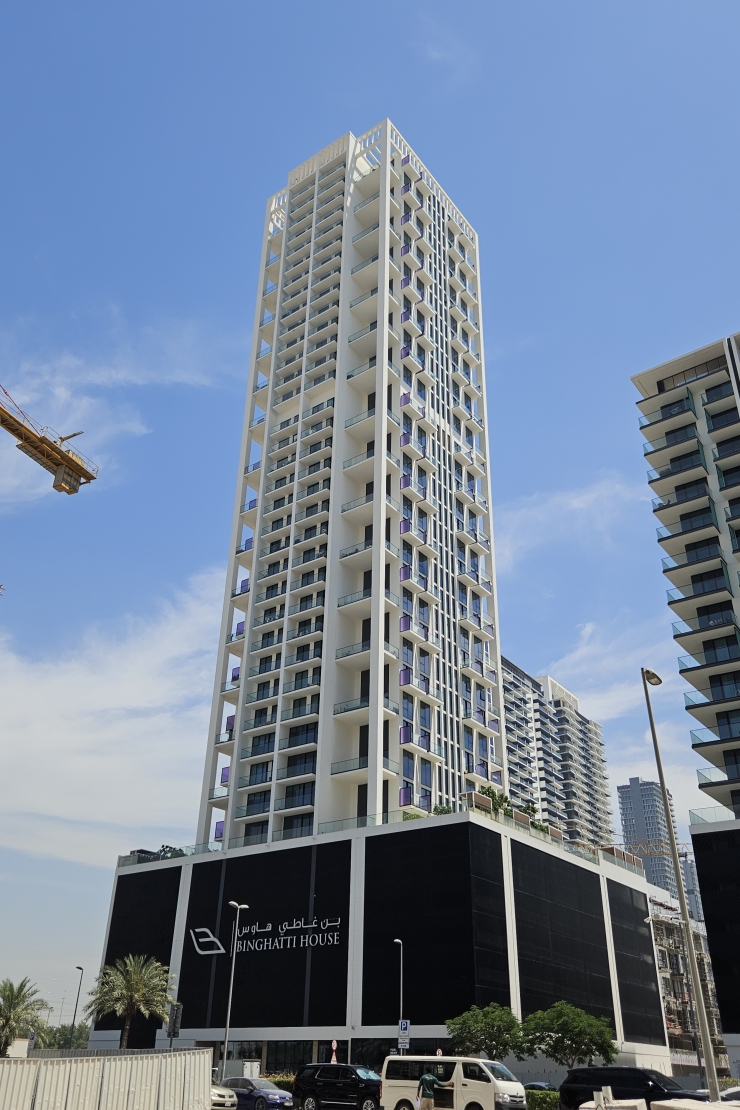
Binghatti House | 2BR Apartment | in JVC | HOT
Binghatti · JVC
1,605,000 AED
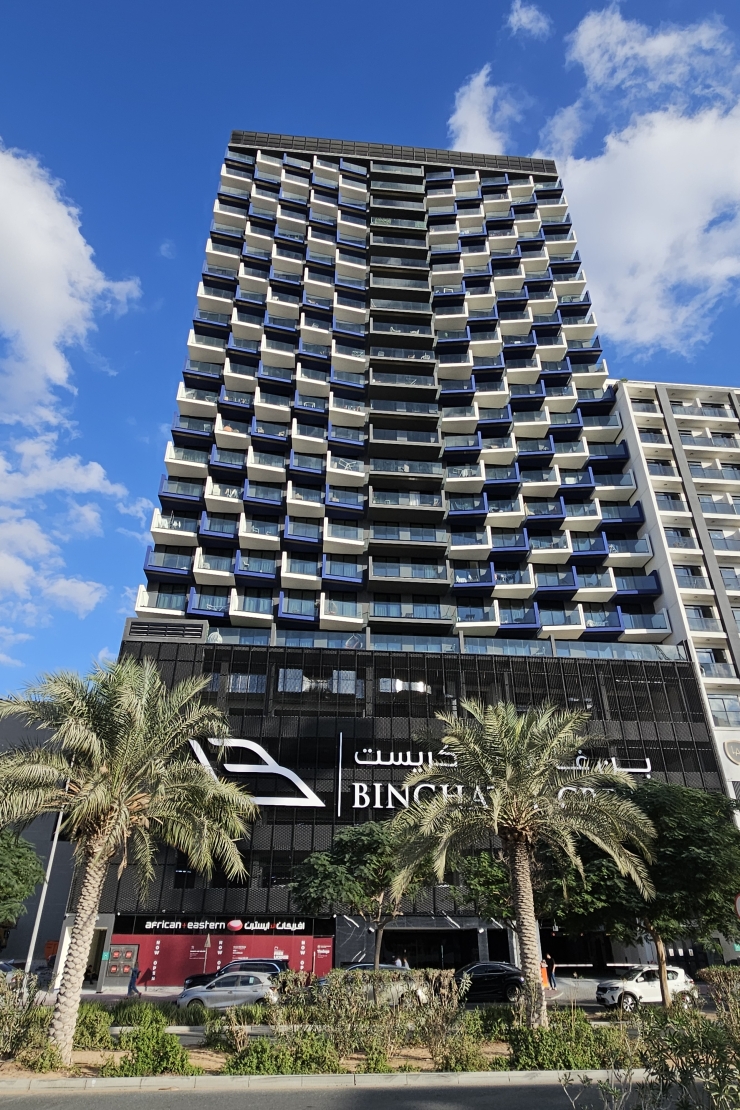
Binghatti Crest | 3BR Apartment | in JVC | HOT
Binghatti · JVC
1,800,000 AED (Furnished)
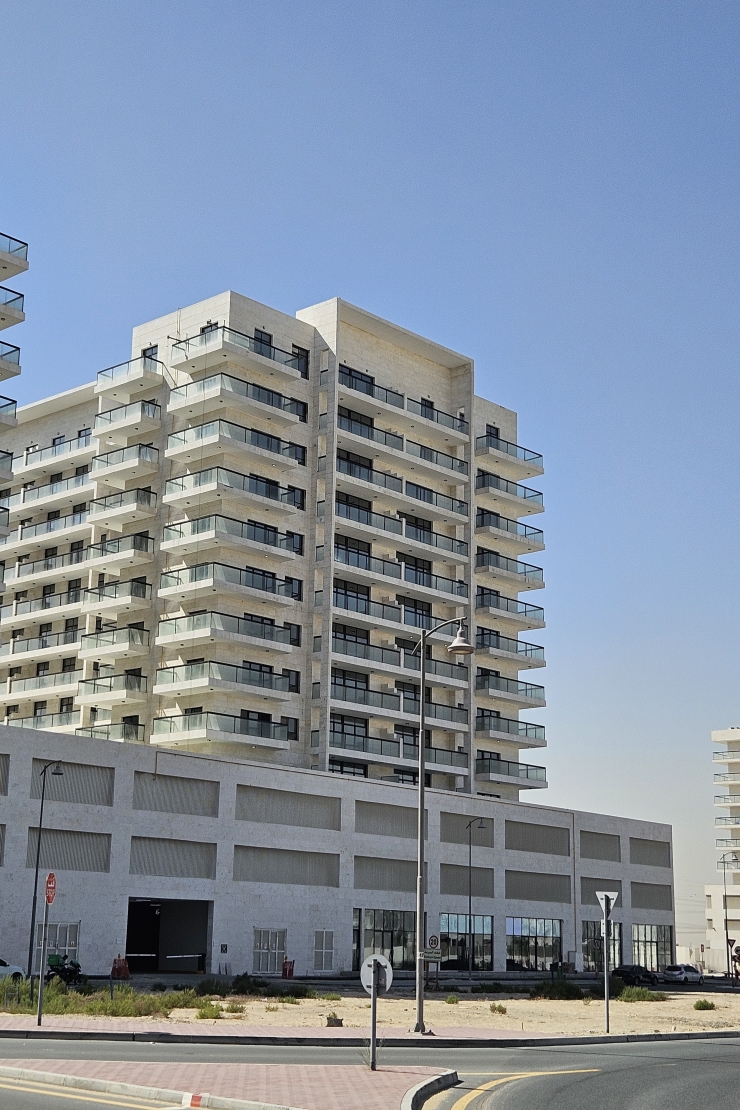
Equiti Home | 1BR Apartment | in Al Furjan | HOT
BNH Real Estate · Al Furjan
970,000 AED
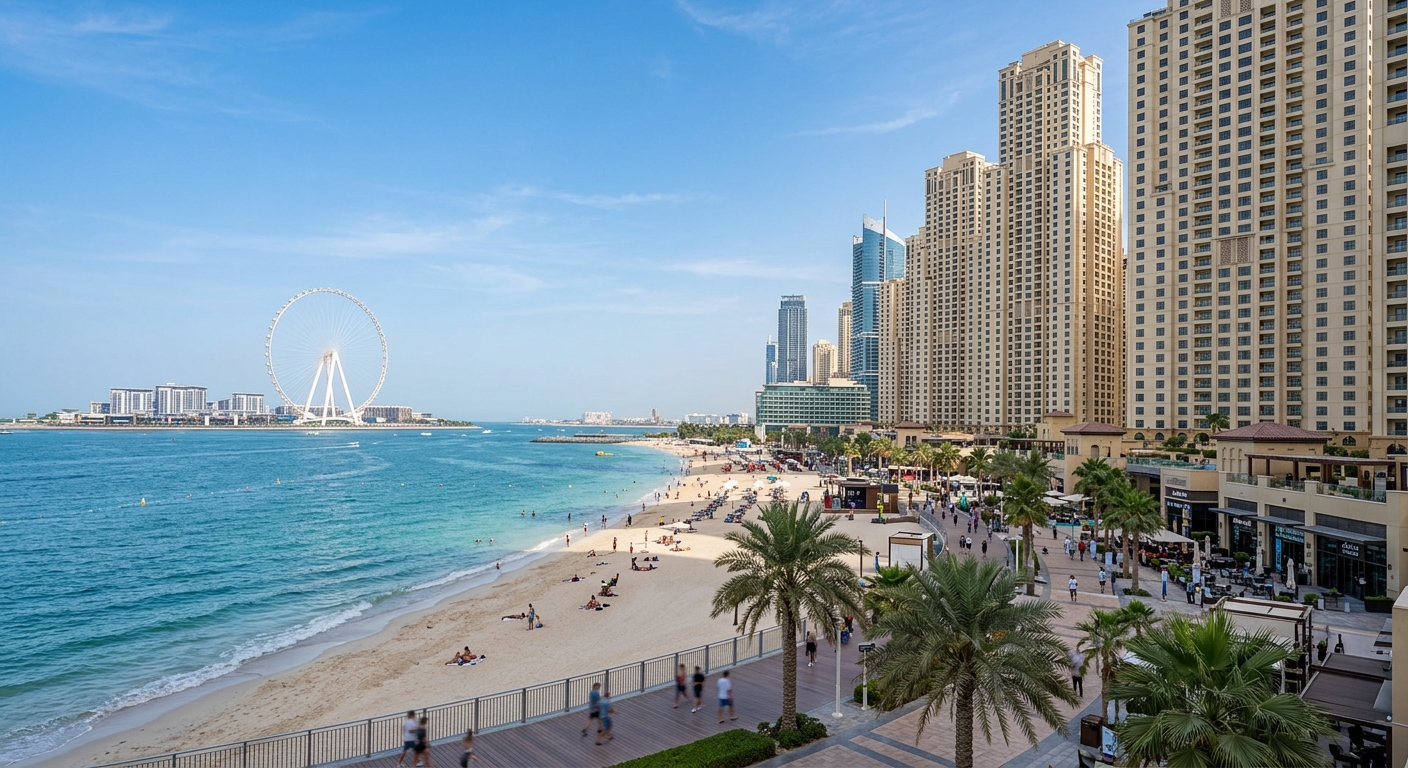
FIVE Luxe Hotel & Residence | 5BR + Maid Hotel Apartment | in JBR | HOT
FIVE Holdings · JBR
25,000,000 AED / 25,000,000 AED (Furnished)
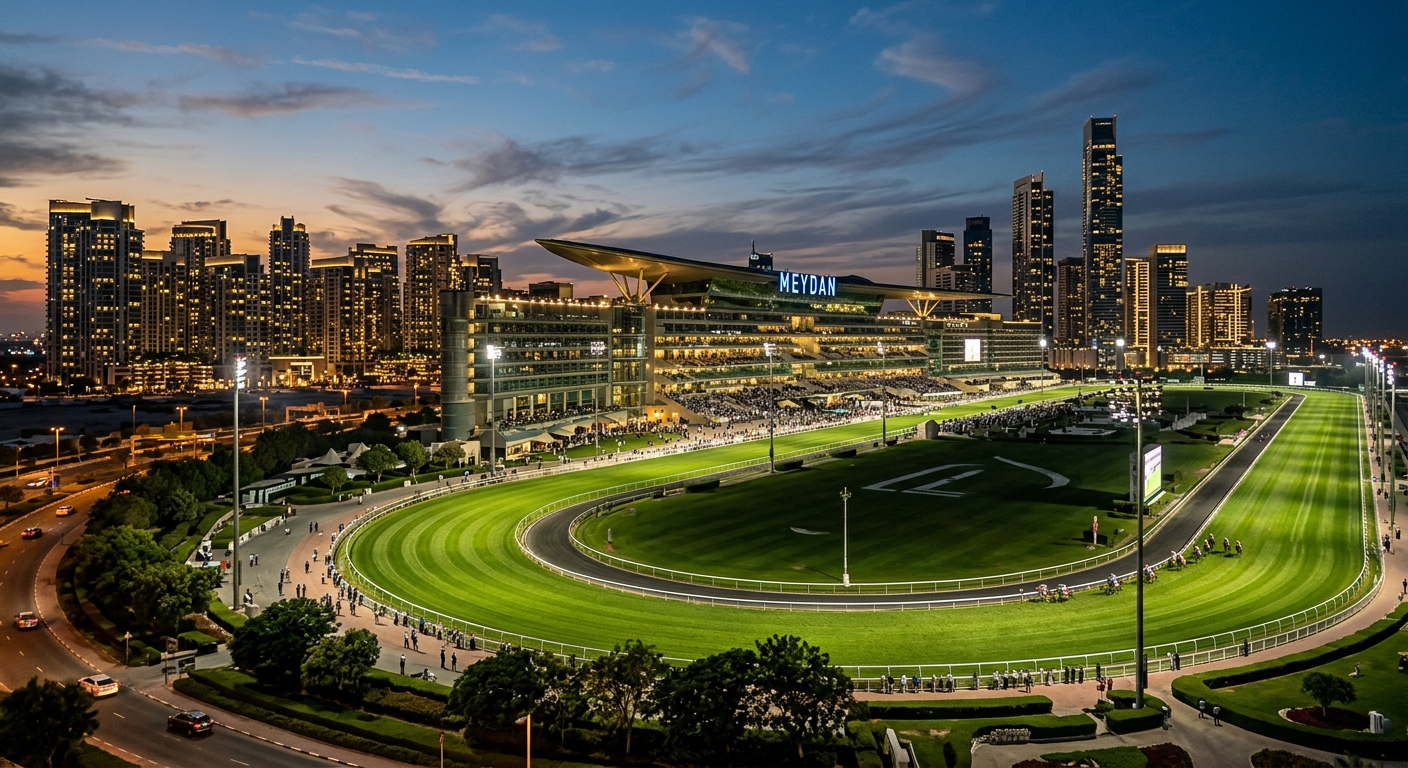
Azizi Gardens | 1BR Apartment | in Meydan MBR | HOT
Azizi · Meydan MBR
930,000 AED
Match My Requirement
Tell us your budget and preferences — we'll match you with live Dubai & Abu Dhabi inventory within 24h.
Related Articles
Real Estate Wealth Management in Dubai: Why 30–40% of an HNWI Portfolio Ends Up in Property
Real estate wealth management is not property management. It treats every property you own as part of one portfolio — with an allocation target, an ownership structure, income oversight and one annual review. Here is how it actually works for a Dubai HNWI, and where portfolios quietly leak 100–200 basis points a year.

What Is Wealth Management in the UAE — And How It Differs From Asset Management
Wealth management is not a fancy label for picking stocks. It is a coordinated service around your entire balance sheet — investments, property, tax exposure, cash-flow and succession. Here is how it differs from asset management, and when a UAE resident actually needs it.

How to Choose a Wealth Management Company in the UAE: 7 Filters That End the Debate
Every wealth manager in the UAE claims to be experienced, discreet and fiduciary. Those words are free. Here are the seven filters — regulation, fee structure, track record, real estate competence and more — that separate the firms that will protect your money from the ones selling a brochure.