

Commercial real estate can offer relatively higher rental income, longer lease terms, and potential capital growth, but it also requires more capital, stronger market knowledge, and careful analysis of risk. Investors should evaluate property type, location, occupancy, tenant quality, lease terms, operating costs, and core metrics such as Cap Rate, IRR, DSCR, and GRM before investing.
Investing in Commercial Real Estate: A Complete Guide for Investors
Everything you need to know before deciding to invest in offices, retail space, and warehouses
Commercial real estate investment is one of the more stable long-term wealth-building tools, offering a steady stream of rental income alongside the potential for capital growth as property values rise over time. While this type of investment requires more capital and deeper market knowledge than residential property, the returns it generates and the long-term leases it is built on make it an attractive option for both individual and institutional investors. This article covers the main types of commercial real estate, their advantages and risks, and the key criteria to consider when evaluating any investment opportunity.
What Is Commercial Real Estate?
Commercial real estate refers to any property used for income generation or business activity, as opposed to residential property intended for personal living. This category includes office buildings, retail centers and shops, warehouses and industrial facilities, hotels, multi-unit residential buildings held for rental, and mixed-use developments that combine more than one activity in a single building. This sector is characterized by longer lease terms compared to residential property, leases for major offices and warehouses can run from three to ten years or more, giving investors greater stability in cash flow.
Main Types of Commercial Real Estate
Before entering this market, it's important to understand the different categories of commercial real estate, since each carries a different risk and return profile:
- Offices: Classified into Class A (modern buildings in prestigious locations) and Class B and C (older buildings or those in less central locations), with returns tied closely to the strength of the local economy and corporate activity.
- Retail properties: Includes shops, malls, and shopping centers, and is directly affected by consumption patterns and the growth of e-commerce.
- Industrial and logistics properties: Warehouses and distribution centers, which have seen rising demand with the expansion of e-commerce and fast delivery services.
- Hotels and hospitality: Returns are tied to occupancy rates and tourism, making this one of the more volatile categories.
- Mixed-use buildings: Combine residential and commercial uses in a single project, providing natural diversification of income sources.
Advantages of Investing in Commercial Real Estate
This type of investment offers several advantages that make it a core part of many institutional and individual investor portfolios:
- Relatively higher rental income: Commercial properties often generate higher annual rental yields than their residential counterparts, especially in strategic locations.
- Long-term leases: Which reduce tenant turnover and provide greater stability in cash flow.
- Transfer of operating costs to the tenant: In many commercial leases (Triple Net Lease), the tenant covers maintenance, insurance, and taxes.
- Portfolio diversification: Investing across multiple commercial sectors reduces exposure to the risk of any single sector.
- Potential for capital growth: As the area around the property develops and demand for it rises.
Risks and Challenges to Consider
On the other hand, commercial real estate carries risks that any investor should carefully assess before making a decision. The higher cost of entry means the required capital is far greater than for residential property, and this sector's sensitivity to economic cycles is higher, a slowdown in business activity quickly affects occupancy rates and demand for space. In addition, the vacancy of a single commercial unit can mean the loss of a large share of a property's total income, especially in buildings with a limited number of tenants. Managing commercial property also requires specialized expertise in lease negotiation and dealing with legal and regulatory matters, and some categories such as offices and factories may need periodic upgrades to keep up with modern tenant requirements, which increases capital maintenance costs.
How to Evaluate a Commercial Real Estate Investment Opportunity
Properly evaluating any investment opportunity depends on a set of financial and operational indicators. Chief among them is the capitalization rate (Cap Rate), which measures the expected annual return from a property's net operating income relative to its value, along with historical and current occupancy rates, which reflect how stable demand has been, tenant quality and creditworthiness, and the remaining term of leases and renewal conditions. Location should also be studied in terms of accessibility and surrounding infrastructure, along with an analysis of local market supply and demand, as well as an assessment of expected operating and maintenance costs over the medium term. It's also essential to obtain an independent property valuation that follows internationally recognized standards to ensure the asking price is accurately compared to the property's fair value.
Reading the Real Estate Market Cycle
Commercial real estate markets typically move through recurring cycles of expansion, peak, correction, and recovery, and understanding this cycle helps investors identify the right time to buy or sell rather than making decisions based on momentary market sentiment. During the expansion phase, occupancy rates and rents rise gradually as economic activity improves, while the peak phase sees a slowdown in the pace of growth as supply approaches meeting full demand. The correction phase is marked by a relative decline in prices and rents due to increased supply or falling demand, followed by a recovery phase that sees a gradual return to balance between supply and demand. The seasoned investor is one who studies these cyclical indicators regularly rather than relying on a single snapshot of the market.
Financing Options
Commercial real estate investment can be financed in several ways, starting with direct cash financing, which gives the investor greater flexibility and reduces risks associated with interest, through commercial real estate loans offered by banks with terms and financing ratios that differ from residential loans, up to Real Estate Investment Trusts (REITs), which allow individual investors to participate in large real estate portfolios without needing to purchase a property outright. In recent years, crowdfunding models and real estate partnerships that pool a number of investors to finance a single project have also become more common, reducing the minimum capital required to enter this sector.
Key Financial Metrics Investors Rely On
Alongside the cap rate, professional investors use a range of other financial metrics to more accurately assess the viability of any commercial property. The internal rate of return (IRR) accounts for the time value of money over the full investment period, including periodic cash flows and the expected sale value at exit. The debt service coverage ratio (DSCR) measures how well a property's operating income can cover the principal and interest due on any financing, and is a key metric banks rely on when approving commercial real estate loans. The gross rent multiplier (GRM) is also used as a quick tool for initial comparison between several investment opportunities before conducting deeper analysis. The more an investor combines these different metrics rather than relying on a single one, the more balanced their decisions will be, and the further removed from uncalculated risk.
The Role of Property Management in Maximizing Returns
An investor's role does not end once a purchase is complete, an equally important phase begins at that point: effective property management. The quality of tenant relationship management, the speed of response to maintenance requests, and maintaining a high standard of operation and cleanliness in shared facilities all directly affect lease renewal rates and reduce vacancies. Many investors, particularly those with large portfolios or those based outside the country, turn to specialized property management companies to handle day-to-day dealings with tenants and vendors in exchange for a share of rental income. This role becomes even more important in multi-tenant properties, where coordinating between the needs of different parties requires strong negotiation and organizational skills.
Practical Tips for New Investors
Investors taking their first steps in the commercial real estate market are advised to start with a single property category they understand well rather than diversifying too early across multiple sectors, specializing at the start helps build real practical experience before expanding. It's also preferable to start with a property that has a limited number of tenants to reduce management complexity in the early stages, while setting aside sufficient financial reserves to cover vacancy periods or unexpected expenses. It's also useful to build a network of relationships with real estate brokers, appraisers, and lawyers specialized in the commercial sector, as this specialized support provides early investment opportunities and reduces the likelihood of costly legal or contractual mistakes.
Conclusion
Investing in commercial real estate represents a promising opportunity to build stable income and long-term capital growth, but it requires careful study of the local market, a clear understanding of the return rates and risks associated with each property category, along with sound financial planning to choose the right financing method and professional management after purchase. As with any major investment decision, it is always advisable to consult specialized financial and real estate advisors before making a final decision, since this content provides general information and does not constitute personal financial or investment advice.
Sources & Official References
- governmentDubai Land Department (DLD)
- governmentUAE Government Portal — Property & Housing
- governmentUAE Federal Tax Authority (VAT)
Frequently Asked Questions
Related Listings
Exclusive Freehold Villa Plot in Dubai Hills Estate | Ready-to-Build with Approved G+1 Design
Emaar (Dubai Hills Estate) · Dubai Hills Estate, Dubai
AED 18,362,500
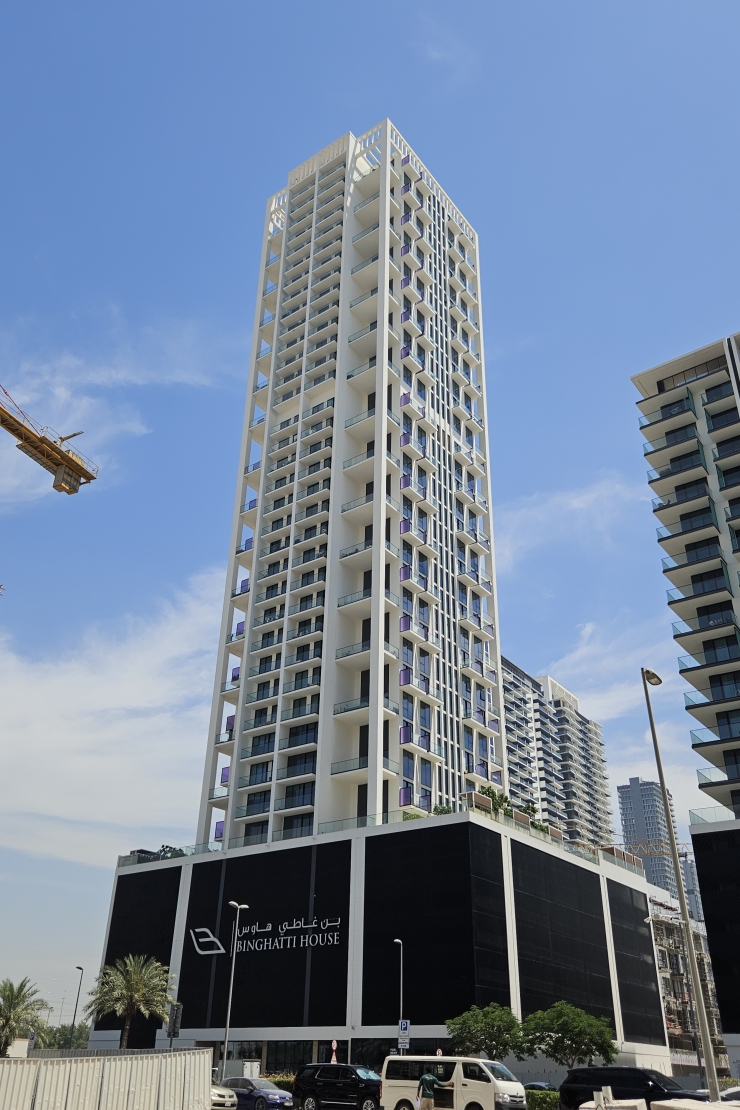
Binghatti House | 2BR Apartment | in JVC | HOT
Binghatti · JVC
1,605,000 AED
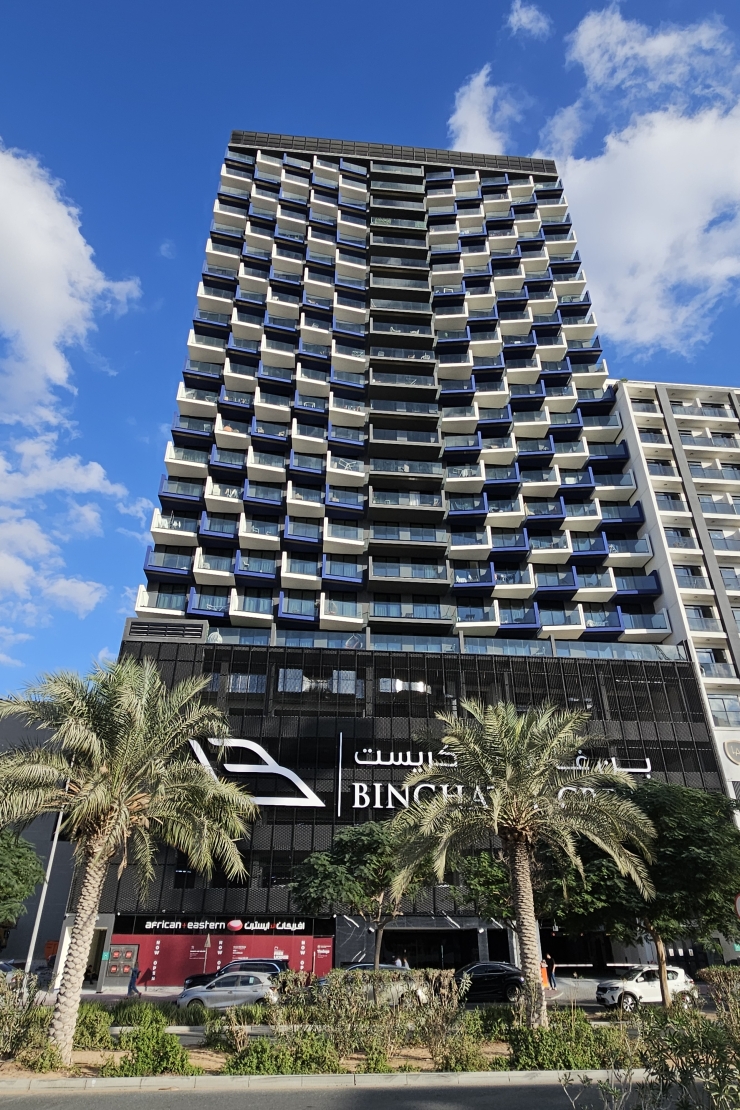
Binghatti Crest | 3BR Apartment | in JVC | HOT
Binghatti · JVC
1,800,000 AED (Furnished)
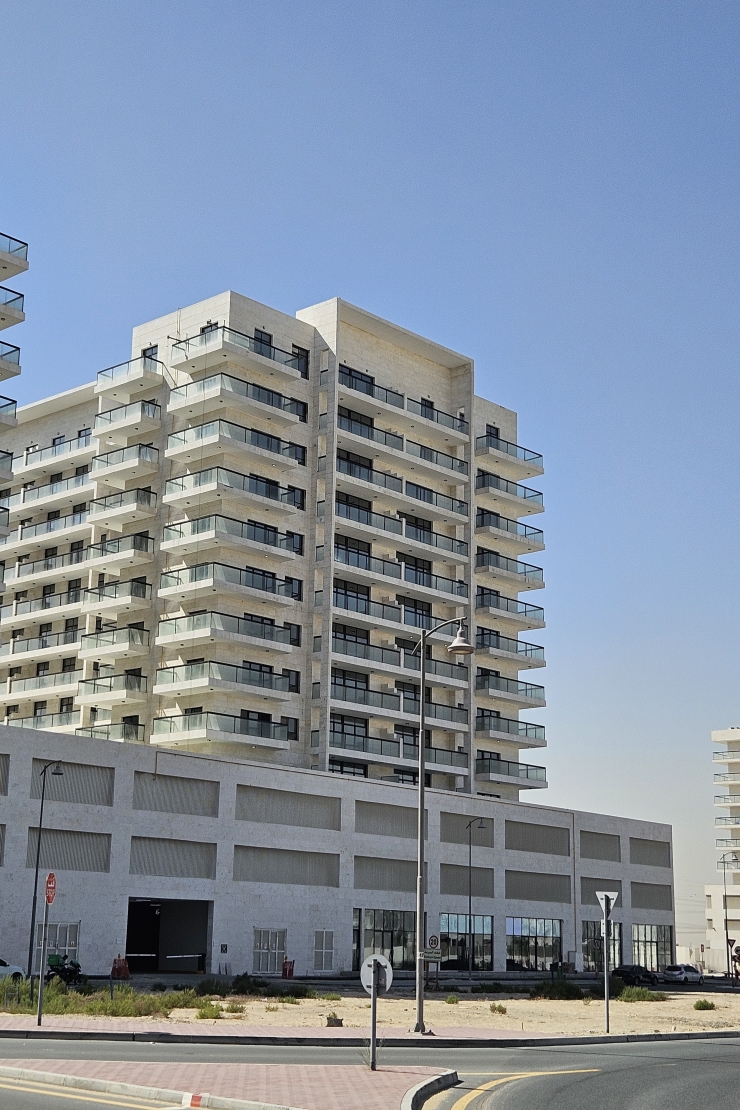
Equiti Home | 1BR Apartment | in Al Furjan | HOT
BNH Real Estate · Al Furjan
970,000 AED

FIVE Luxe Hotel & Residence | 5BR + Maid Hotel Apartment | in JBR | HOT
FIVE Holdings · JBR
25,000,000 AED / 25,000,000 AED (Furnished)

Azizi Gardens | 1BR Apartment | in Meydan MBR | HOT
Azizi · Meydan MBR
930,000 AED
Match My Requirement
Tell us your budget and preferences — we'll match you with live Dubai & Abu Dhabi inventory within 24h.
Related Articles

Dubai's New Truck Restrictions from 1 October 2026: Why Your Warehouse Location Matters More Than Ever
Dubai's RTA and Police now restrict truck movement on key roads, with Emirates Road exempt. Banned roads, hours, permits, and what it means for choosing a warehouse location.
As Residential Slows, Why Are Dubai Warehouse and Office Rents Still Rising?
While Dubai home prices eased, warehouse rents rose about 12.5% and office rents 14% in H1 2026. What the data shows, and the slowdown signals to watch.
Dubai Creek Harbour: Complete Guide to Living, Buying and Investing
An investor-focused guide to Dubai Creek Harbour — location, projects, property types, rental and resale considerations, risks, and how to evaluate it as a place to live or invest. Verified against official sources.