

Sheikh Zayed Road is Dubai’s most extensive and best-connected commercial corridor, offering office investors a wide range of entry points from older, higher-yield towers to Grade A landmarks. Its core advantage is visibility plus Metro access, but building-level due diligence is essential because ownership structures, quality, and freehold status vary significantly.
Why Sheikh Zayed Road Is Dubai's Commercial Backbone
Sheikh Zayed Road (E11) is the highway around which modern Dubai's business identity was built. Running from Trade Centre roundabout through Downtown, Business Bay's edge, Al Barsha, and out toward Dubai Marina, it is lined almost continuously with office towers, making it the longest and most visible concentration of commercial real estate in the emirate. For decades before DIFC or Business Bay existed, Sheikh Zayed Road was simply "the business district" of Dubai, and it remains a default corporate address for companies that want visibility and a recognisable location without DIFC's jurisdictional premium.
Location and Connectivity
The corridor is served by multiple Metro stations — World Trade Centre, Emirates Towers, Financial Centre, Burj Khalifa/Dubai Mall, Business Bay, Noor Bank, First Abu Dhabi Bank, and further stations toward the Marina — giving it the best public-transport coverage of any commercial stretch in Dubai. Its main advantage is exactly this linearity: a single address on Sheikh Zayed Road can be a five-minute walk from a Metro station and also directly visible from the highway, which matters for retail banks, showrooms, and companies that value street-level branding.
Who Operates Along Sheikh Zayed Road
The corridor's tenant base is broad by design, spanning early landmark towers such as Emirates Towers, Al Moosa Tower, and World Trade Centre buildings, through to newer developments further south toward Al Barsha and Trade Centre. Occupiers include banks, airlines, trading houses, insurance firms, law firms, and a large base of small and mid-sized companies that could not justify DIFC or Downtown pricing but still want the Sheikh Zayed Road address on their letterhead. This mix means the corridor has both Grade A trophy towers and older, more affordable stock within a few kilometres of each other — a segmentation that matters a great deal for an investor's pricing strategy.
Property Types and Ownership
Commercial stock along Sheikh Zayed Road is dominated by office towers, with ground-floor retail, bank branches, and showrooms at street level in most buildings. Ownership structures vary by building and by the specific stretch of the road: some towers near Trade Centre and DIFC's edge are freehold and open to foreign investors, while others, especially older buildings, may operate under different lease or strata arrangements. Because "Sheikh Zayed Road" spans several distinct sub-areas and master developments, due diligence on a specific building's title and freehold status is essential before assuming ownership rights.
Investment Considerations
The value proposition on Sheikh Zayed Road is age and location diversity: older towers offer lower entry prices and often higher yields than DIFC or newer Business Bay stock, while still benefiting from the corridor's visibility and Metro access. The trade-off is that older buildings can carry higher maintenance costs, less modern floor plates, and more fragmented ownership, which can complicate large single-tenant leasing. Investors evaluating a Sheikh Zayed Road asset should weigh the building's age and specification against comparable newer stock in Business Bay or JLT, since tenants increasingly prioritise building quality and amenities over address prestige alone.
Who Should Consider Sheikh Zayed Road
This corridor suits investors seeking a balance between location prestige and yield, particularly in the more affordable, older towers that still deliver strong footfall and Metro connectivity. It also suits businesses — banks, trading companies, professional services — that want a well-known, easily described Dubai address without the cost premium of DIFC or the newer towers of Downtown.
Key Takeaways
Sheikh Zayed Road offers Dubai's most extensive and best-connected stretch of commercial real estate, spanning multiple sub-markets from budget-friendly older towers to Grade A landmarks. Its main strength for investors is the range of entry points available along a single, highly visible corridor — but that same range means careful building-level due diligence matters more here than in more uniform districts like DIFC or JLT.
Sources & Official References
- governmentDubai Land Department (DLD)
- governmentUAE Government Portal — Property & Housing
- governmentUAE Federal Tax Authority (VAT)
Frequently Asked Questions
Related Listings
One by Binghatti | 3BR Suite Apartment | in Business Bay
Binghatti · Business Bay
AED 9,722,222
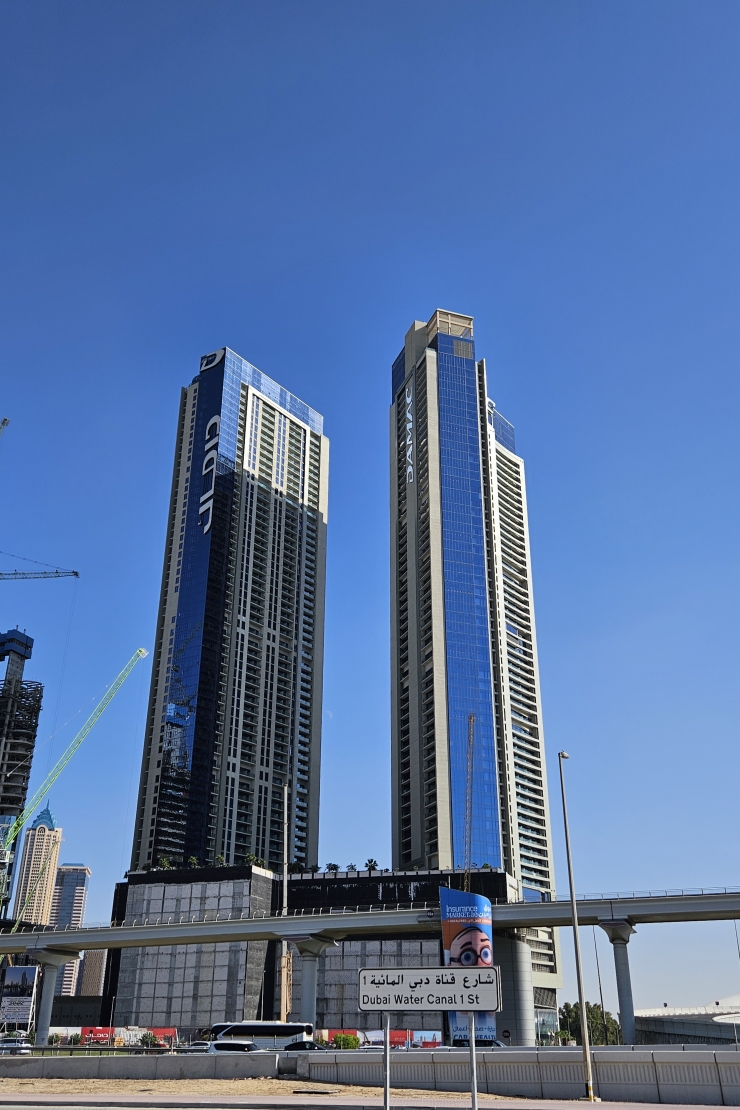
AYKON City 2 – Tower C | 2BR Apartment | in Business Bay
DAMAC · Business Bay
1,730,000 AED / 1,760,000 AED (Furnished)
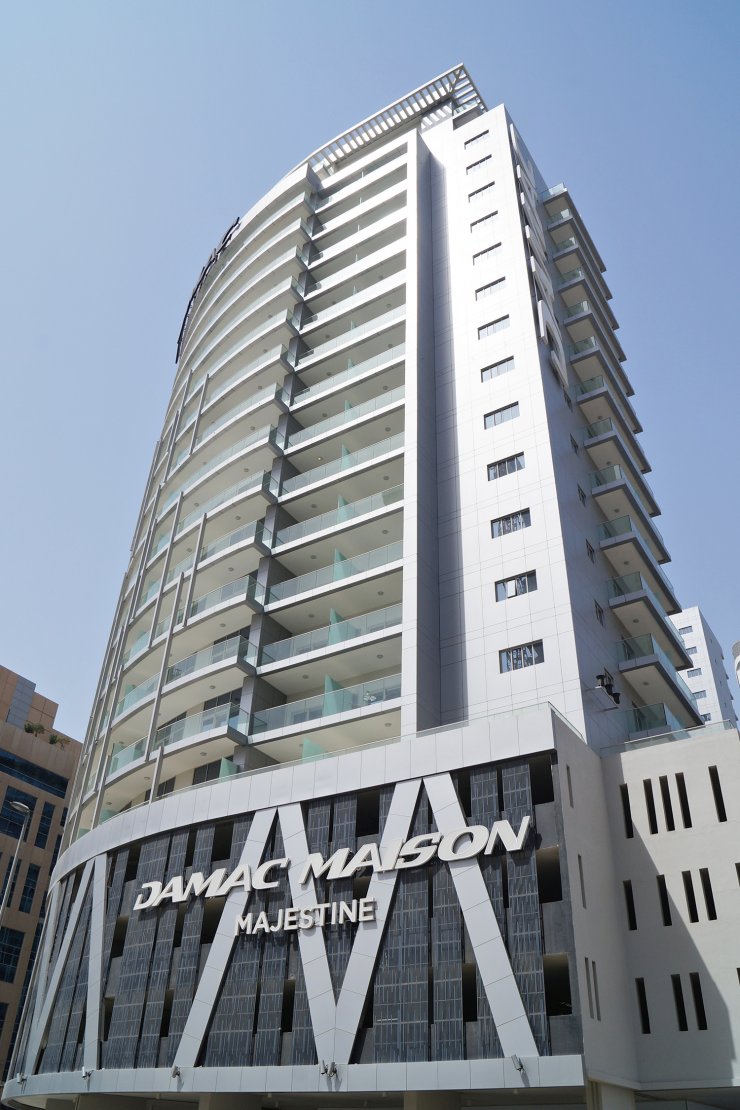
DAMAC Majestine | 3BR Apartment | in Business Bay
DAMAC · Business Bay
2,425,000 AED / 2,455,000 AED (Furnished)
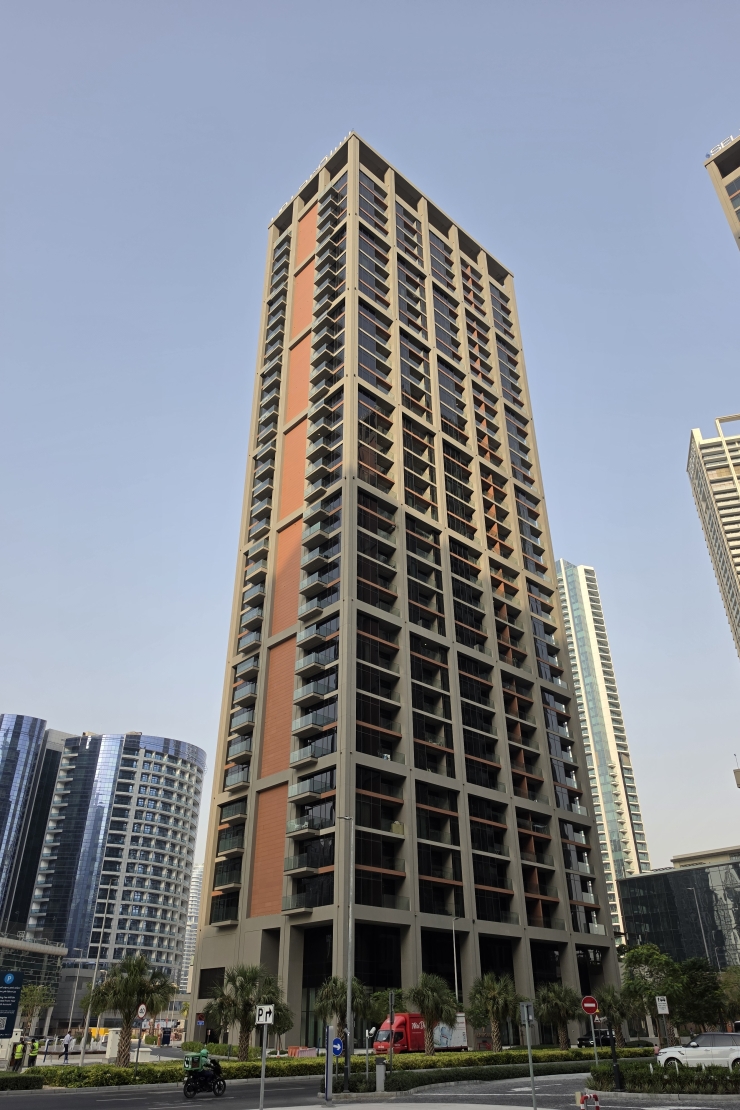
Peninsula Two | 1BR Apartment | in Business Bay
Ellington · Business Bay
1,990,000 AED
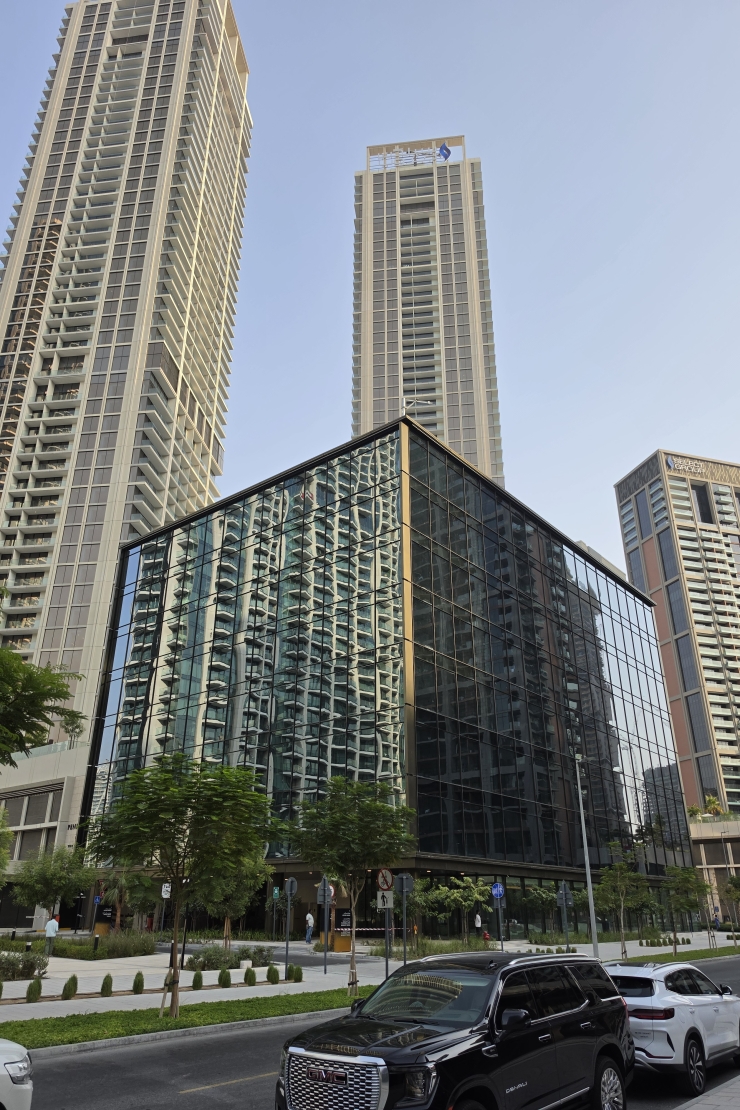
Peninsula Four | 1BR Apartment | in Business Bay
Ellington · Business Bay
2,400,000 AED
The Edge | 1BR Apartment | in Business Bay
Select Group · Business Bay
1,730,000 AED
Match My Requirement
Tell us your budget and preferences — we'll match you with live Dubai & Abu Dhabi inventory within 24h.
Related Articles

Dubai Investment Park (DIP): Industrial and Logistics Commercial Investment Guide
Dubai Investment Park is one of the emirate's largest mixed industrial, logistics, and commercial zones. A guide to its property types, ownership rules, and where it fits in Dubai's industrial investment map.

Dubai World Trade Centre (DWTC): Exhibitions and Corporate District Investment Guide
Dubai World Trade Centre anchors one of the emirate's oldest commercial and exhibition districts. A guide to its free zone status, tenant mix, property types, and what it offers investors.

Al Quoz Dubai: Industrial, Warehousing and Creative Business Investment Guide
Al Quoz has quietly become one of Dubai's most versatile commercial zones, mixing warehousing, light industry, and art galleries. A guide to its property types, ownership rules, and investment appeal.