

Dubai World Trade Centre is a long-established commercial and exhibition district on Sheikh Zayed Road, valued for its prime location, infrastructure, and exposure to Dubai’s events economy. Its main investor limitation is that core DWTC space is mostly institutionally managed leasehold offices, so direct ownership is generally found in freehold towers on the district’s periphery.
Why DWTC Remains a Core Commercial District
Dubai World Trade Centre, anchored by the landmark Sheikh Rashid Tower on Sheikh Zayed Road, was one of the first purpose-built commercial and exhibition complexes in the emirate when it opened in 1979, decades before DIFC, Business Bay, or JLT existed. Today the surrounding DWTC free zone and exhibition district hosts major trade shows, conferences, and a cluster of corporate office towers, making it one of Dubai's most established mixed commercial and events destinations.
Location and Connectivity
DWTC sits directly on Sheikh Zayed Road adjacent to DIFC and Trade Centre Metro station, giving it excellent connectivity to Downtown Dubai, DIFC, and the wider Sheikh Zayed Road corridor. Its position at the historic centre of Dubai's business district means it benefits from decades of surrounding infrastructure, hotels, and transport links that newer districts are still building out.
Who Operates in and Around DWTC
The district combines two distinct tenant categories: office occupiers in Sheikh Rashid Tower and surrounding towers under the DWTC free zone licence — including trading companies, consultancies, event and exhibition organisers, and corporate regional offices — and the exhibition and conference ecosystem itself, which draws major international trade shows (GITEX, Arab Health, and others) and the hospitality, catering, and logistics businesses that service them. This dual identity means DWTC's commercial demand is partly steady office occupancy and partly event-driven, cyclical activity tied to the exhibition calendar.
Property Types and Ownership
Commercial space in the DWTC free zone is predominantly leasehold office space within Sheikh Rashid Tower and adjacent towers, operated under DWTC's own free zone licensing regime rather than sold as freehold units to individual investors in most cases. This makes DWTC's commercial real estate closer in structure to DIC/DMC or DIFC — an institutionally-managed leasehold environment — than to JLT's individually-owned freehold model. Investors interested in direct ownership exposure to this district should look at specific freehold towers on its periphery along Sheikh Zayed Road rather than the core DWTC free zone itself.
Investment Considerations
DWTC's appeal lies in its address, established infrastructure, and unique exposure to Dubai's exhibition and events economy, one of the emirate's strategic growth sectors. Office tenants here benefit from proximity to DIFC and Downtown without DIFC's full cost premium, while businesses tied to the events and exhibition industry benefit directly from being co-located with the venue itself. The trade-off, as with DIC/DMC, is that direct ownership opportunities for smaller investors are more limited than in freehold-heavy districts, and the events-driven component of demand introduces a cyclicality tied to the exhibition calendar and broader business travel trends that other office districts do not share to the same degree.
Who Should Consider DWTC
DWTC suits investors who can access ownership in freehold towers along its periphery and want exposure to one of Dubai's most established commercial addresses, and businesses — particularly those in events, exhibitions, trading, and corporate services — that benefit from proximity to the exhibition centre itself. It is less suited to investors seeking the broadest possible freehold entry points; JLT or Business Bay offer more accessible individual ownership structures.
Key Takeaways
Dubai World Trade Centre combines one of Dubai's oldest and most established commercial addresses with a distinct events and exhibition economy layered on top of conventional office demand. It offers strong location and infrastructure advantages, balanced against more limited direct ownership opportunities and a demand profile partly tied to the exhibition and events calendar.
Sources & Official References
- governmentDubai Land Department (DLD)
- governmentUAE Government Portal — Property & Housing
- governmentUAE Federal Tax Authority (VAT)
Frequently Asked Questions
Related Listings
One by Binghatti | 3BR Suite Apartment | in Business Bay
Binghatti · Business Bay
AED 9,722,222
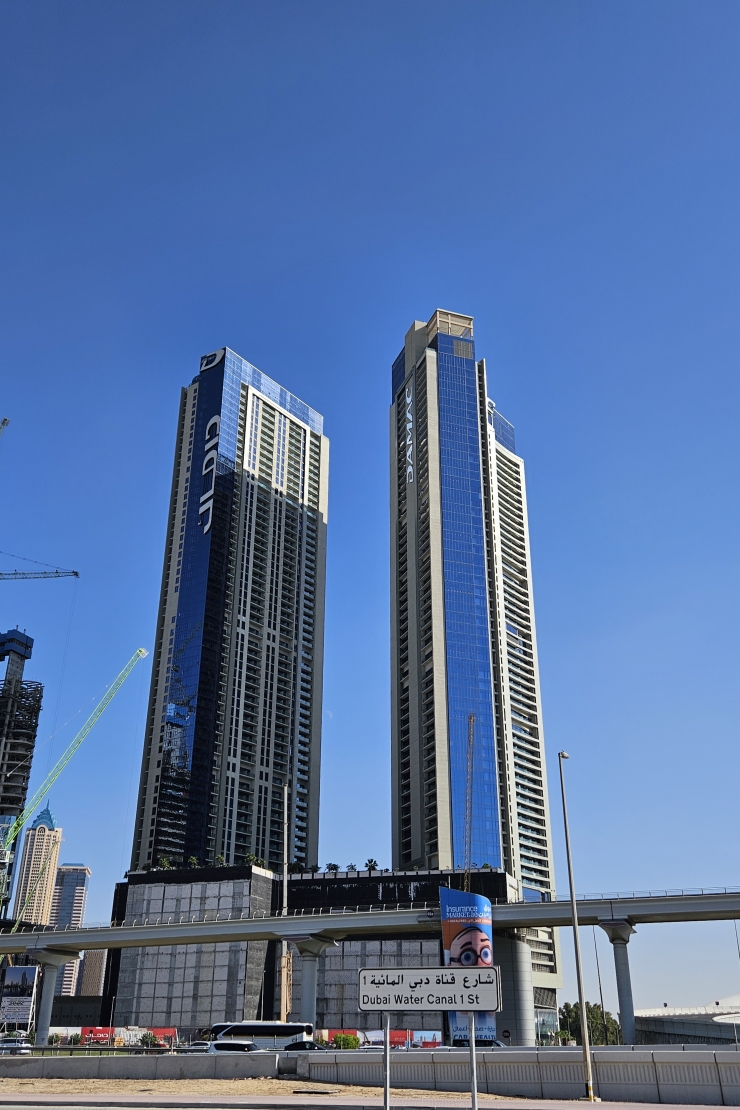
AYKON City 2 – Tower C | 2BR Apartment | in Business Bay
DAMAC · Business Bay
1,730,000 AED / 1,760,000 AED (Furnished)
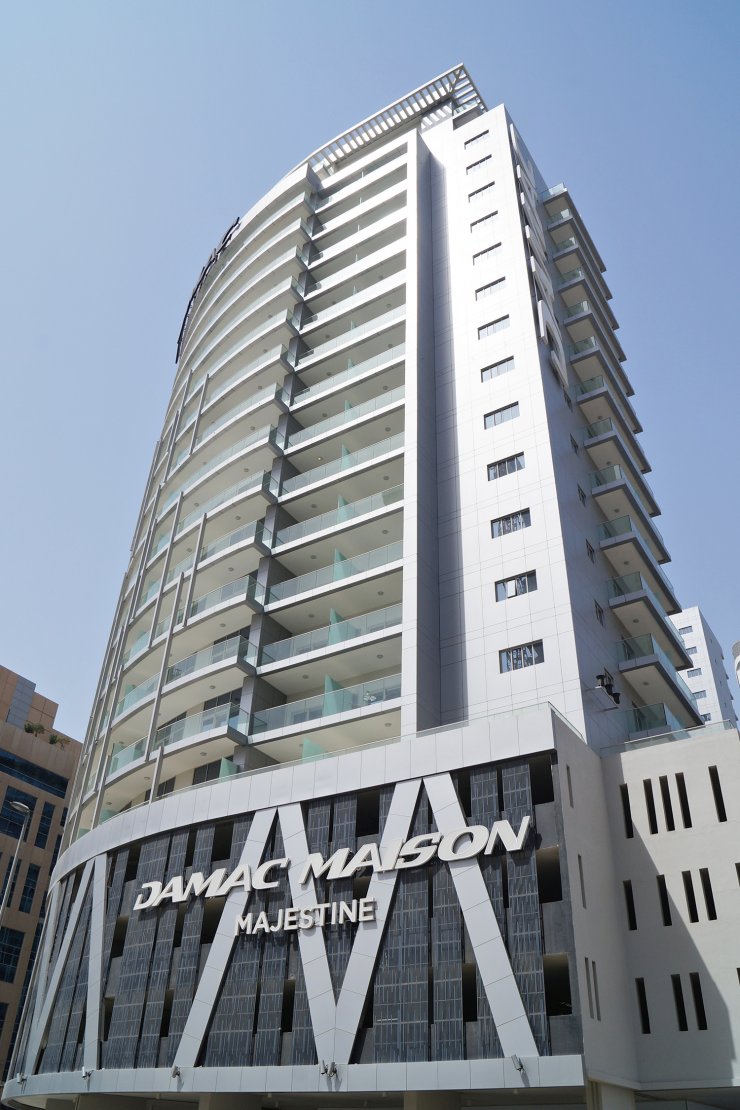
DAMAC Majestine | 3BR Apartment | in Business Bay
DAMAC · Business Bay
2,425,000 AED / 2,455,000 AED (Furnished)
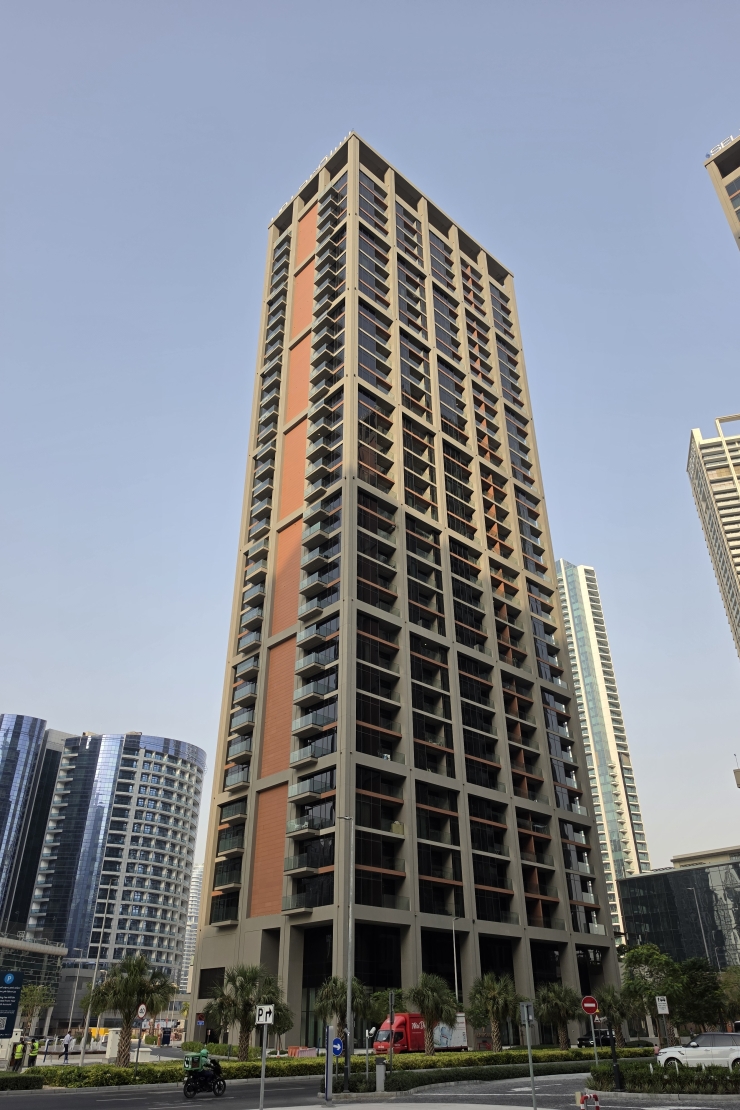
Peninsula Two | 1BR Apartment | in Business Bay
Ellington · Business Bay
1,990,000 AED
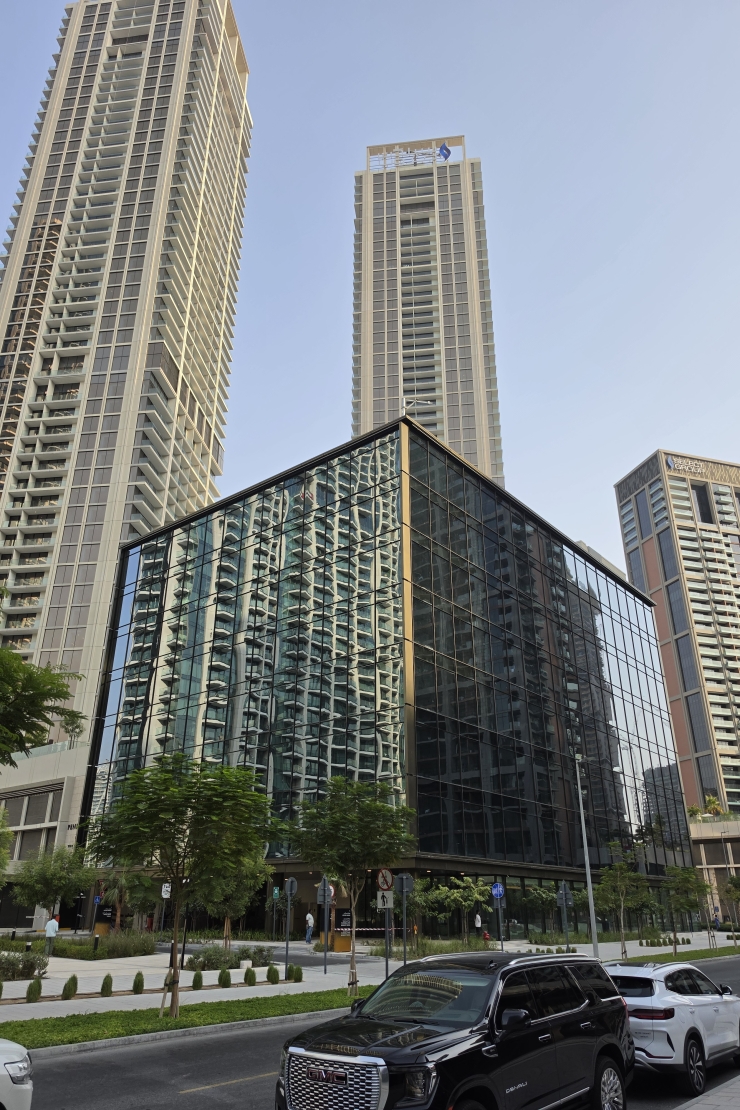
Peninsula Four | 1BR Apartment | in Business Bay
Ellington · Business Bay
2,400,000 AED
Burj Crown | 1BR Apartment | in Downtown Dubai
Emaar · Downtown Dubai
2,450,000 AED / 2,450,000 AED (Furnished)
Match My Requirement
Tell us your budget and preferences — we'll match you with live Dubai & Abu Dhabi inventory within 24h.
Related Articles

Dubai Investment Park (DIP): Industrial and Logistics Commercial Investment Guide
Dubai Investment Park is one of the emirate's largest mixed industrial, logistics, and commercial zones. A guide to its property types, ownership rules, and where it fits in Dubai's industrial investment map.

Al Quoz Dubai: Industrial, Warehousing and Creative Business Investment Guide
Al Quoz has quietly become one of Dubai's most versatile commercial zones, mixing warehousing, light industry, and art galleries. A guide to its property types, ownership rules, and investment appeal.

Dubai Internet City & Dubai Media City: The Tech and Media Free Zone Guide
How Dubai Internet City and Dubai Media City built Dubai's original tech and media free zone cluster, who leases there today, and what it means for commercial real estate investors.