

Off-plan investment in دبي works only if you buy materially below comparable ready units, keep the payment plan light enough for your cash flow, and choose a developer with a strong delivery record. The real edge is leveraged appreciation between SPA signing and handover, but delays, oversupply, and overcommitting cash can erase returns quickly.
Off-Plan Property Investment in Dubai: The Real Numbers Before You Commit
Off-plan property investment means buying a Dubai unit at launch price, funding it in installments during construction, and either flipping it before handover or holding it for rent. Investors like it because the entry price is lower than ready property, capital deploys gradually, and — historically — well-selected units appreciate between the SPA signing and handover. This guide walks through how the ROI actually works, when it doesn't, and what to check before signing.
What Makes Off-Plan Property Investment Different
Off-plan is a leveraged, time-boxed bet. You commit 20 percent up front, spread the next 30 to 50 percent across construction, and settle the balance at handover. During those 2 to 4 years, three things can move the value of your unit: the developer's brand strength grows, the community matures, and Dubai's broader market cycles. If all three move up, you exit with a gain. If one goes wrong, your return compresses fast.
Compare that with a ready rental property. Ready generates yield from month one but requires 25 percent down and full financing today. Off-plan starves you of income during construction but demands less of your cash calendar. Two different games.
How Investors Actually Make Money on Off-Plan
Three revenue streams show up in real deals. Capital appreciation is the biggest — a unit bought at AED 1.5M during launch that sells at AED 1.75M at handover delivers 16.6 percent gross return on the sale price, but 55 percent return on the 30 percent you'd actually paid by then. That leverage is what off-plan investors chase.
Assignment premium is the second — investors who exit 12 to 18 months before handover often clear a smaller absolute gain but redeploy capital into the next launch faster.
Rental yield is the third — hold to handover, then rent. Dubai net yields sit around 5 to 7 percent in well-selected communities. Steady, not spectacular, but the leverage from a mortgage refinance at handover boosts effective returns.
The Numbers That Should Drive Every Decision
Ignore hero renders. Focus on four metrics. Price per square foot compared to comparable ready units in the same area — off-plan should sit 15 to 30 percent below. Payment plan shape — front-loaded plans consume more capital early and reduce your leverage; back-loaded plans keep your capital light. Developer delivery record — the percentage of past projects delivered on time. Community absorption rate — how fast comparable resale units clear in the same district.
If a unit is priced within 5 percent of ready comparables, the off-plan advantage is gone. Walk away.
Two Exit Strategies: Assignment vs Hold-to-Rent
Assignment means selling before handover, usually 12 to 18 months out. You reach the developer's minimum payment threshold (30 to 40 percent typically), get a No Objection Certificate, and transfer the SPA to the next buyer. You don't need a mortgage, and you avoid handover-day cash pressure. Best when you expect a market peak inside the construction window.
Hold-to-rent means completing the plan through to handover, refinancing with a mortgage, and renting the unit. Best when the community has strong long-term rental demand — waterfront, near transit, near schools — and when you want steady yield to fund the next investment.
Serious investors decide the exit strategy before they sign the SPA, not after.
Where Off-Plan Investment Goes Wrong
Three failure modes account for most losses. First: paying launch price for a project whose developer has a poor delivery history. Delays kill your IRR because your capital sits idle while carrying opportunity cost. Second: buying in an oversupplied area where 30 similar off-plan projects launch in the same 24 months. Assignment premiums evaporate when 4,000 buyers hit resale simultaneously. Third: overleveraging cash flow — signing multiple SPAs whose combined payment plans consume more cash than you can generate.
None of these show up on the brochure. All three show up in the DLD transaction feed and RERA delivery-record data if you look.
A Checklist for Vetting Any Off-Plan Deal
Before you sign, run this list. Is the developer's last three projects delivered on time? Is the project registered with the DLD and does it have an active escrow account? Are comparable off-plan units in the same district trading up or flat? Is the payment plan back-loaded enough that you're not sunk 60 percent by year two? Does your SPA clearly state delayed-handover rights? Is your exit strategy defined — assignment window, target price, or hold-to-rent yield target?
If you can't tick every box, either negotiate different terms or walk to the next project.
Frequently Asked Questions
Is off-plan property investment better than ready property investment in Dubai? It depends on your goal. Off-plan offers leverage and capital appreciation but zero yield during construction. Ready offers immediate yield and easier financing but requires more capital today and less upside. Investors with 3 to 5-year horizons and cash for the payment plan often prefer off-plan; those needing immediate income prefer ready.
What is a realistic ROI on off-plan property investment in Dubai? Historical returns for well-selected launches in strong Dubai communities range 15 to 30 percent gross on the sale price by handover, which translates to 40 to 80 percent on the capital actually deployed thanks to leverage. Poor selections deliver zero or negative returns. No return is guaranteed — this is not a fixed-income product.
How much capital do I actually need to start off-plan investing in Dubai? Enough to cover the down payment (typically 20 percent), the DLD 4 percent fee, admin fees, and the first year of milestone payments — often another 10 to 20 percent. On a AED 1.5M unit, plan for AED 500,000 to 600,000 committed within the first 12 months, then further milestones on schedule.
Can foreign investors buy off-plan property in Dubai? Yes, in designated freehold zones — most Dubai launch projects fall in freehold areas. Foreign buyers get the same SPA protections, DLD registration, and escrow oversight as UAE nationals. Non-resident buyers face slightly longer mortgage approval timelines if they plan to finance at handover.
What's the biggest risk in off-plan property investment? Construction delays combined with market softening. If your unit delivers 18 months late into a weaker market, you may face a paper loss and delayed rental income at the same time. Mitigate by choosing developers with strong delivery records and by not overleveraging across multiple projects with overlapping payment plans.
Should I use debt to invest in off-plan? Most Dubai buyers self-fund the payment plan because banks activate off-plan mortgages only near handover, and usually at 50 to 60 percent loan-to-value. Refinancing at handover is common. If your cash flow can't cover the payment plan without a mid-construction mortgage, the project is probably too big for your investment stage.
Model Your Deal Before You Sign
Off-plan property investment rewards discipline, not enthusiasm. Model your projected cash outflows, exit price, and holding costs before you commit — not while your name is halfway down the SPA.
Use our payment plan calculator to see exactly what your capital deployment schedule looks like. Or book a consultation to stress-test a specific project's investment thesis.
This article is for informational purposes only and is not financial or investment advice. Past performance does not guarantee future returns.
Sources & Official References
- governmentDubai Land Department (DLD)
- governmentUAE Government Portal — Property & Housing
Frequently Asked Questions
Related Listings

Skyros Samana | Studio Apartment | in Arjan – Dubailand | HOT
Samana · Arjan – Dubailand
775,000 AED

Binghatti Wraith, Al Jaddaf — Quiet Luxury Apartments from AED 799,999 | Prime Location & Investment ROI
Binghatti Developers · Al Jaddaf, Dubai
AED 799,999
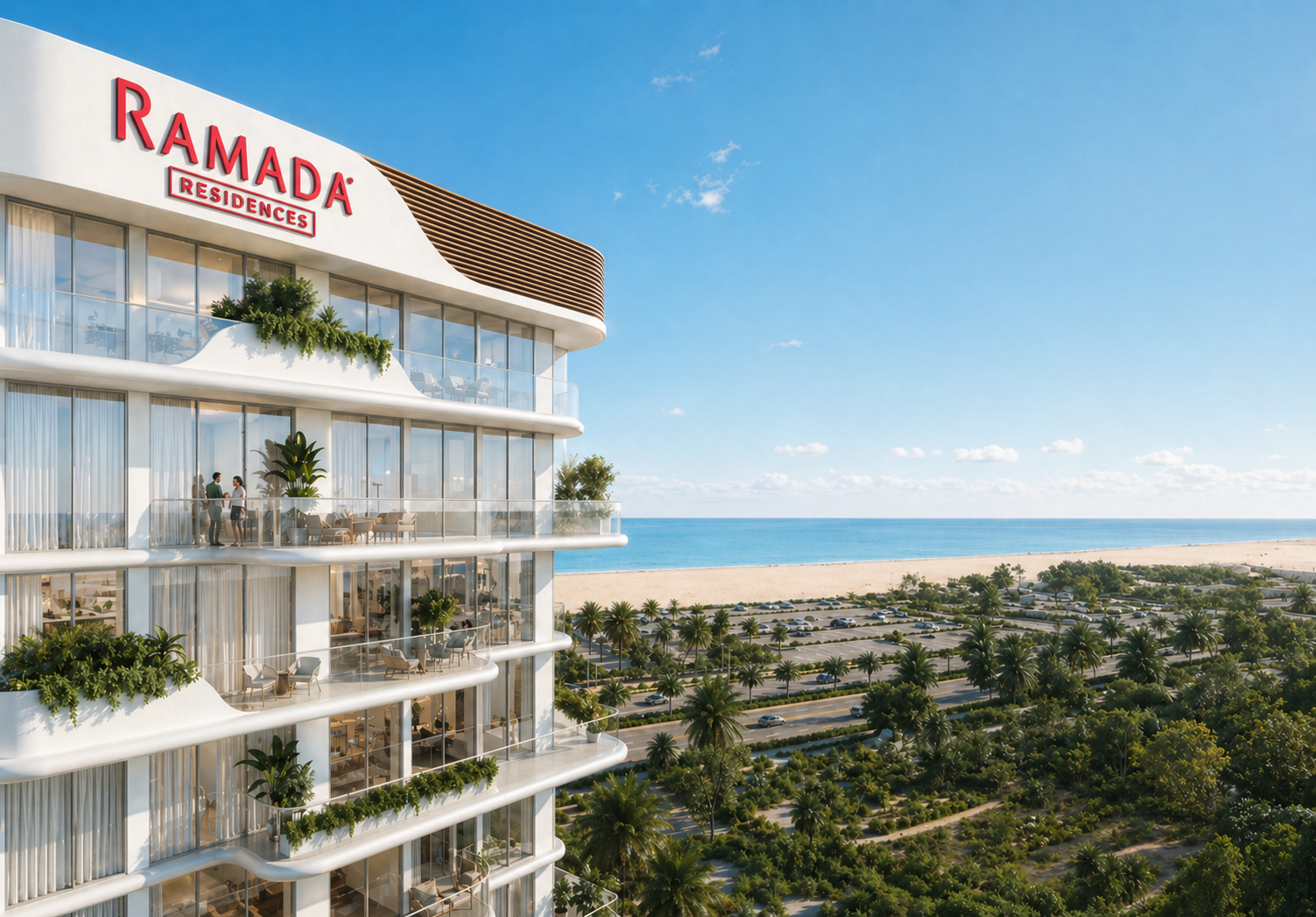
Ramada Residences by Wyndham | 1BR Apartment | Dubai Islands
Grovy Developers · Dubai Islands
AED 2,560,000
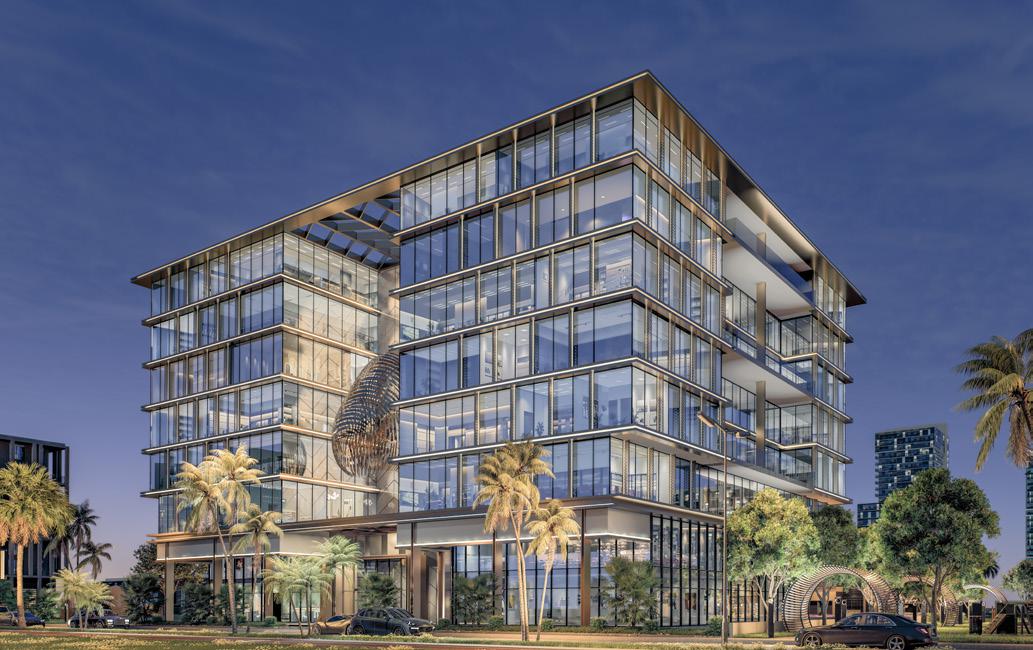
HQ by Arista | Office 305 | Al Furjan
Arista Properties · Al Furjan
AED 5,894,700
HQ by Arista | Office Half Floor | Al Furjan
Arista Properties · Al Furjan
AED 19,751,550

Binghatti Skyflame, Majan — Smart Luxury Living with Off-Plan Investment Upside
Binghatti · Majan, Dubai
AED Price on Request
Match My Requirement
Tell us your budget and preferences — we'll match you with live Dubai & Abu Dhabi inventory within 24h.
Related Articles

Buying a House Off Plan in Dubai: A Step-by-Step Guide for 2026
Buying a house off plan in Dubai — real step-by-step process, developer payment plans, DLD Oqood registration, fees, and the mistakes that cost buyers real money.
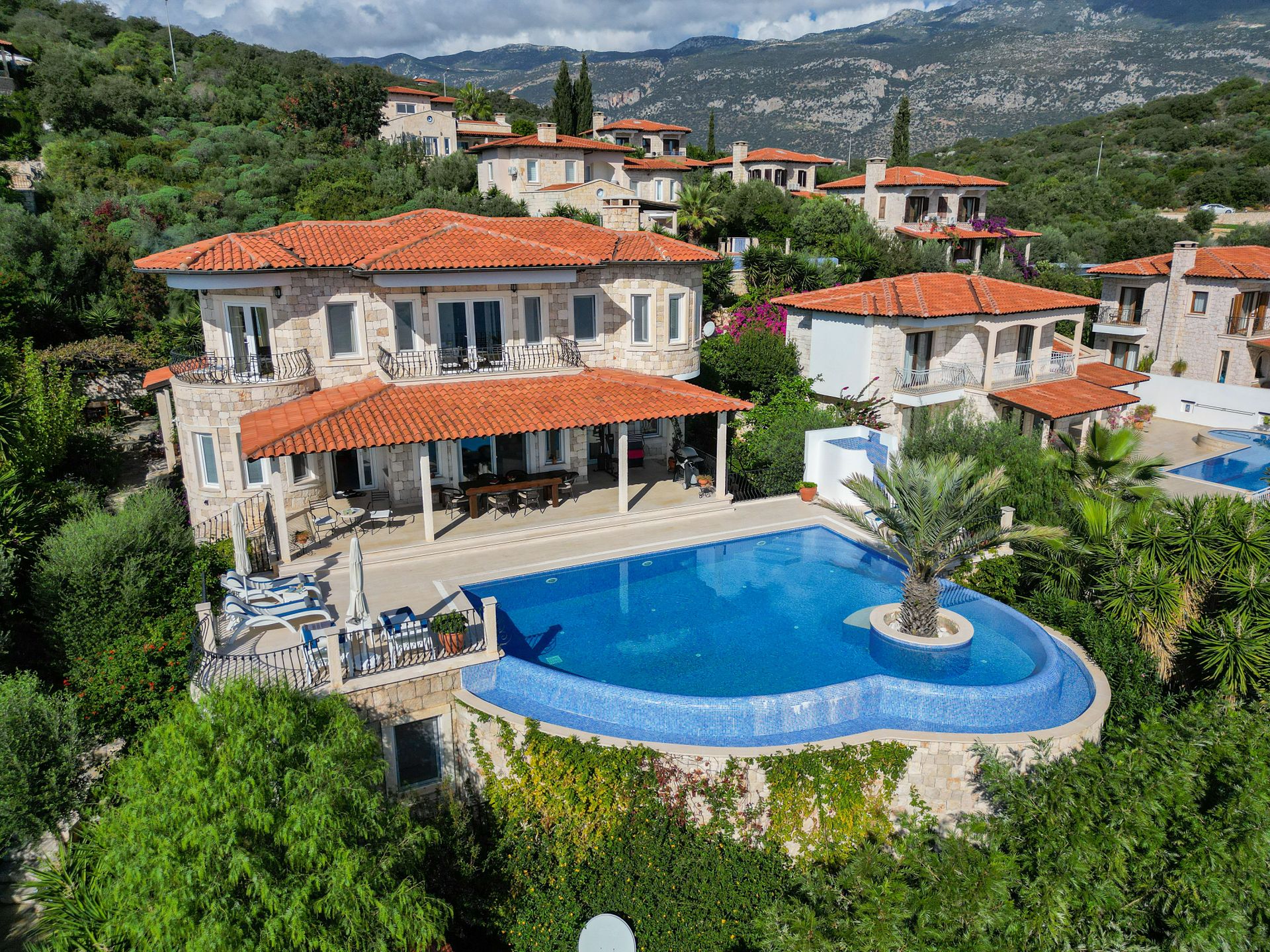
Townhouse vs Villa in Dubai: The Investor and Buyer's Decision Guide
Townhouse or villa in Dubai? A clear comparison covering price, size, maintenance, rental yield, and which communities offer each — written for buyers and investors.
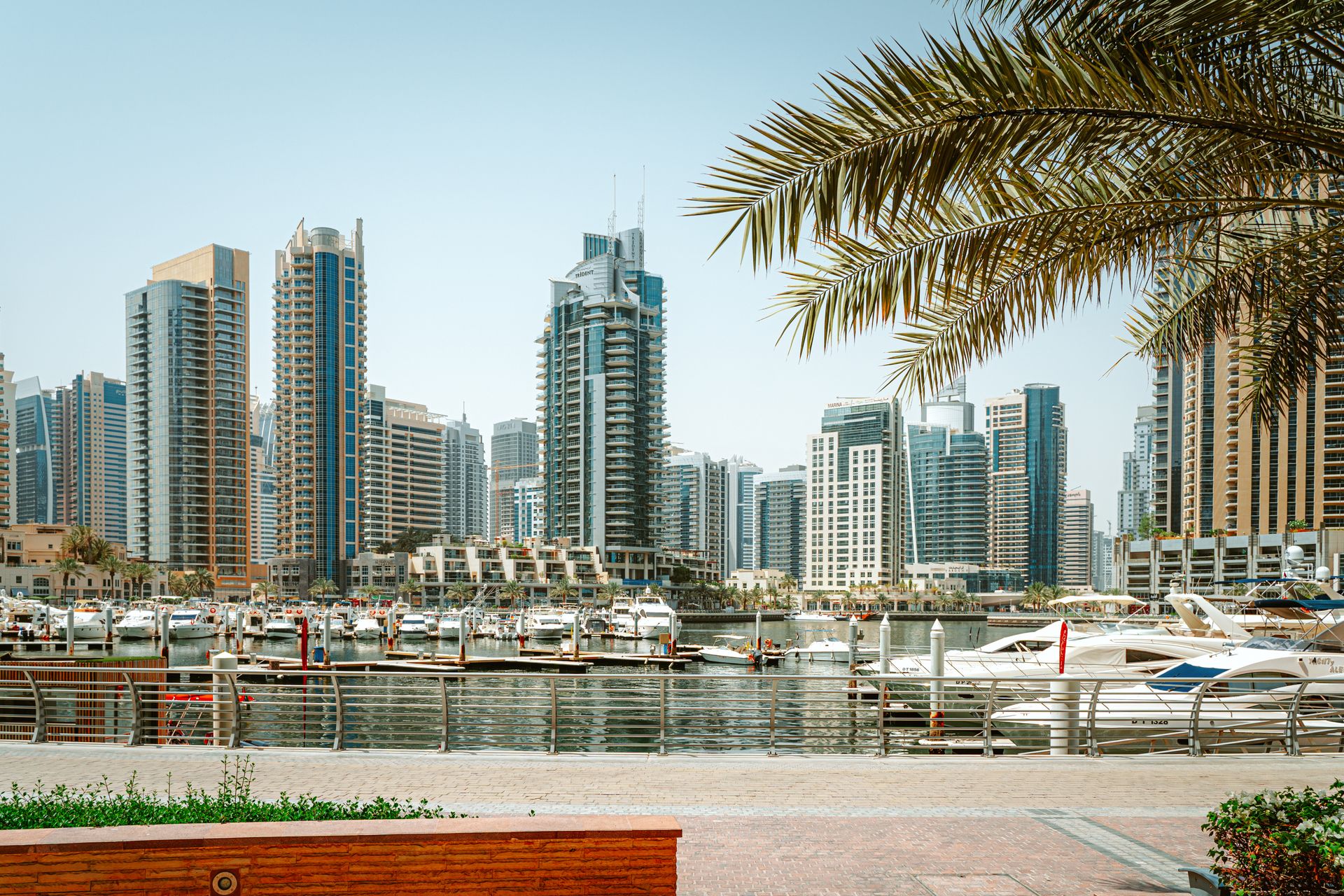
Dubai Creek Harbour Investment Guide: ROI, Rental Yield and Capital Growth
How to calculate real ROI, gross and net rental yield, and capital growth for a Dubai Creek Harbour property — including costs most calculators leave out.