

Falling interest rates can support Dubai real estate by improving mortgage affordability, borrowing demand, liquidity, and relative yield appeal, but they do not automatically make prices rise. The article’s main point is to separate these mechanisms from historical evidence: rate cuts are only one factor among supply, growth, capital flows, and sentiment.
What Happens to Dubai Real Estate When Interest Rates Fall?
When the Fed cuts rates — as it did in late 2025 before reversing course in 2026 — commentary often jumps straight to "this is good for real estate." The honest answer is more layered: there are real mechanisms through which falling rates can support property demand, and there is a separate question of what the historical evidence actually shows once you look at specific periods rather than assume a rule.
The plausible mechanisms
Mortgage affordability. Lower rates reduce the monthly payment on a new or refinanced mortgage, which can expand the pool of buyers who qualify for a given property price (see our mortgage payment scenarios article for the math behind this).
Borrowing demand. Cheaper credit can encourage more buyers to use financing rather than delay a purchase, and can encourage developers to take on construction financing at more favorable terms.
Liquidity. Rate cuts are often accompanied by broader increases in system liquidity, which can find its way into real assets including real estate, particularly in markets seen as relatively stable.
Investor risk appetite. Lower returns on safe instruments (deposits, short-term bonds) can push yield-seeking capital toward real estate and other higher-yielding assets — this is a standard mechanism in portfolio theory, though how strongly it applies to any one market depends on that market's specific yield profile versus alternatives.
Bank lending. Lower funding costs for banks can translate into more competitive mortgage offers and, at the margin, looser lending standards, though this varies by bank and by regulatory environment.
Alternative investments. As bond and deposit yields fall, the relative attractiveness of real estate's rental yield can improve — again, a mechanism, not a guarantee, since real estate also carries illiquidity and maintenance costs that bonds and deposits don't.
What the mechanism does NOT tell you
None of the above tells you what will actually happen to Dubai property prices in any specific cycle, because prices are also shaped by supply (how many new units are being delivered), population and employment growth, foreign capital flows, and market sentiment — all of which can move independently of interest rates, and sometimes in the opposite direction.
Separating mechanism from historical evidence
A mechanism is a plausible cause-and-effect story. Historical evidence is what actually happened when that mechanism was tested against real market conditions. Our dedicated historical analysis article (What Can History Teach Us About Interest Rates and Real Estate?) looks at specific periods — including 2008, 2015–2019, 2020, and 2022–2026 — rather than assuming rate cuts produced the same outcome every time. In some periods, falling rates coincided with rising Dubai transaction activity; in others, different forces (a supply glut, a global shock, a shift in foreign investor sentiment) dominated the outcome instead. The honest conclusion is that rate cuts are one input among several, not a standalone predictor.
What this means for you
If rates fall, it's reasonable to expect some support for affordability and borrowing demand — that part of the mechanism is well understood. It is not reasonable to assume Dubai property prices will automatically rise as a result, because too many other variables are also in play. Evaluate any specific property on its own fundamentals rather than on a general rate-cut narrative.
Sources & Data
- Central Bank of the UAE — Base Rate decisions
- Federal Reserve — FOMC statements and meeting history
- Dubai Land Department — transaction and price data
Mechanisms described are general economic principles, current as of September 2026. No forecast of future Dubai property performance is implied.
Muhalab Adam — Real Estate Investment Strategist, Dubai. I help investors evaluate Dubai property using market data.
Want to understand what changing interest rates could mean for your Dubai property strategy? Request a free investor consultation.
Sources & Official References
- governmentDubai Land Department (DLD)
- governmentUAE Government Portal — Property & Housing
Frequently Asked Questions
Related Listings

Exclusive Freehold Villa Plot in Dubai Hills Estate | Ready-to-Build with Approved G+1 Design
Emaar (Dubai Hills Estate) · Dubai Hills Estate, Dubai
AED 18,362,500
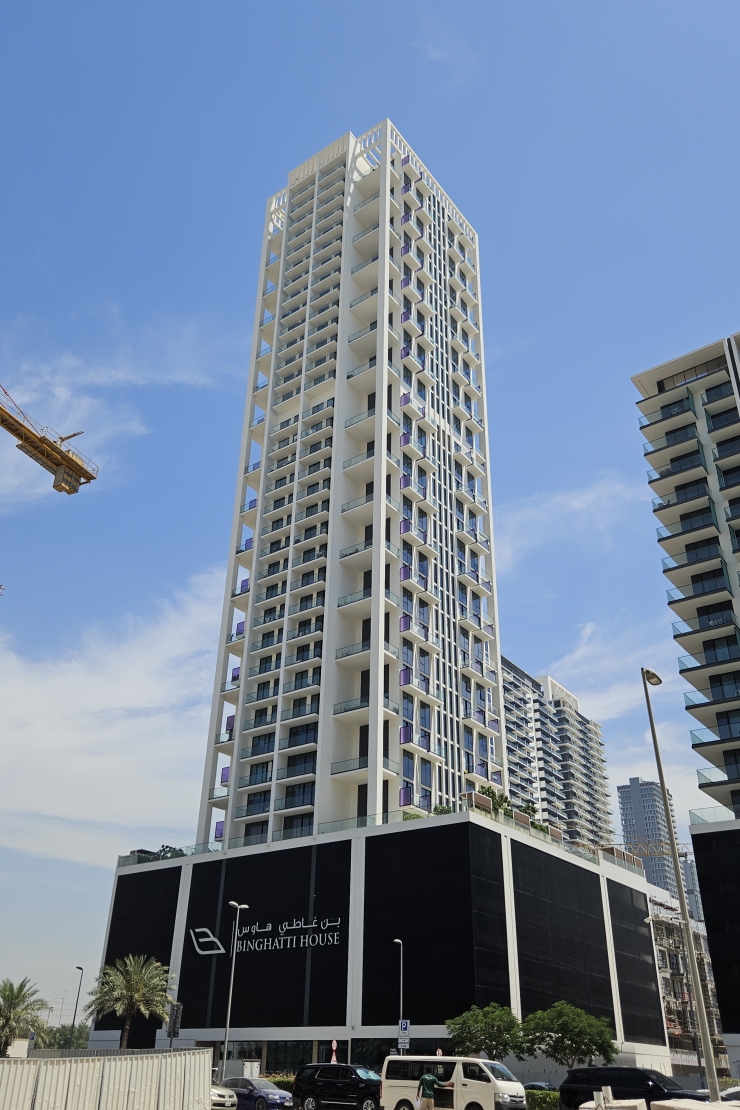
Binghatti House | 2BR Apartment | in JVC | HOT
Binghatti · JVC
1,605,000 AED
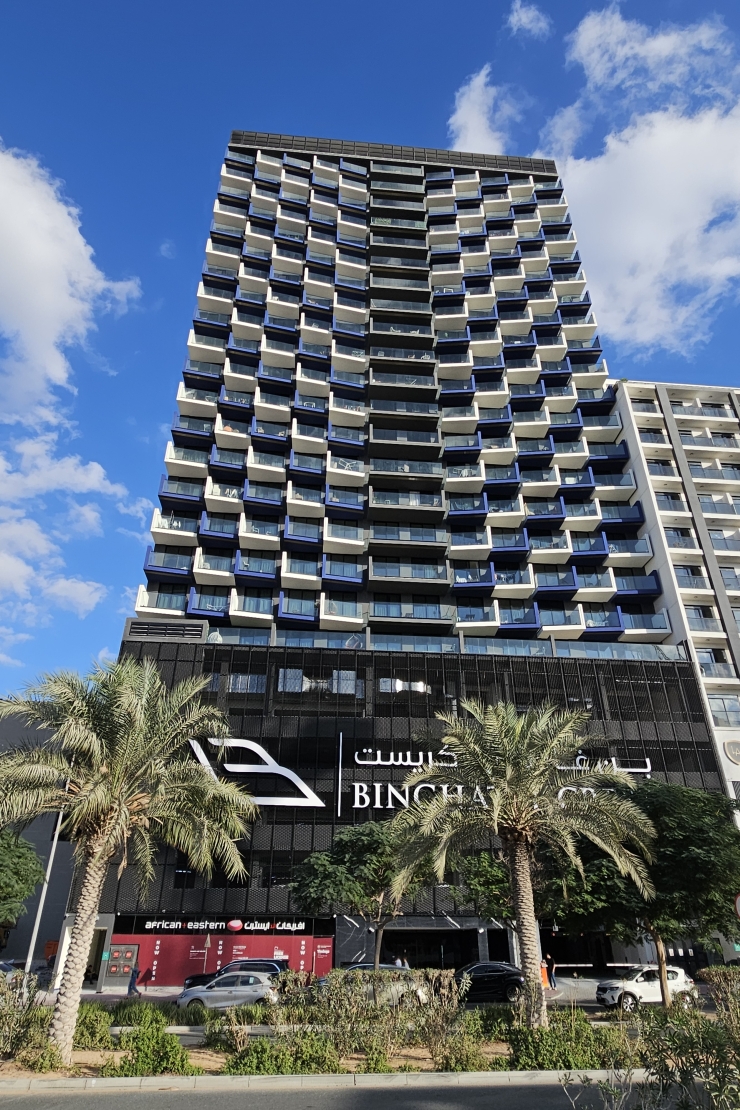
Binghatti Crest | 3BR Apartment | in JVC | HOT
Binghatti · JVC
1,800,000 AED (Furnished)
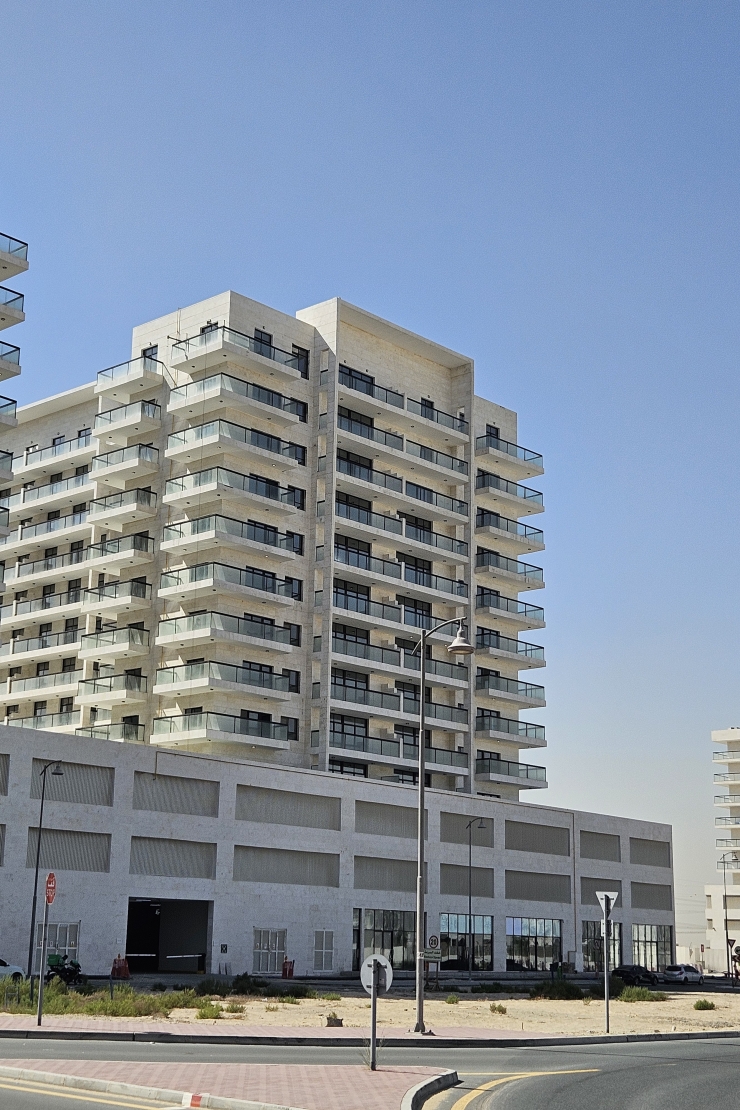
Equiti Home | 1BR Apartment | in Al Furjan | HOT
BNH Real Estate · Al Furjan
970,000 AED
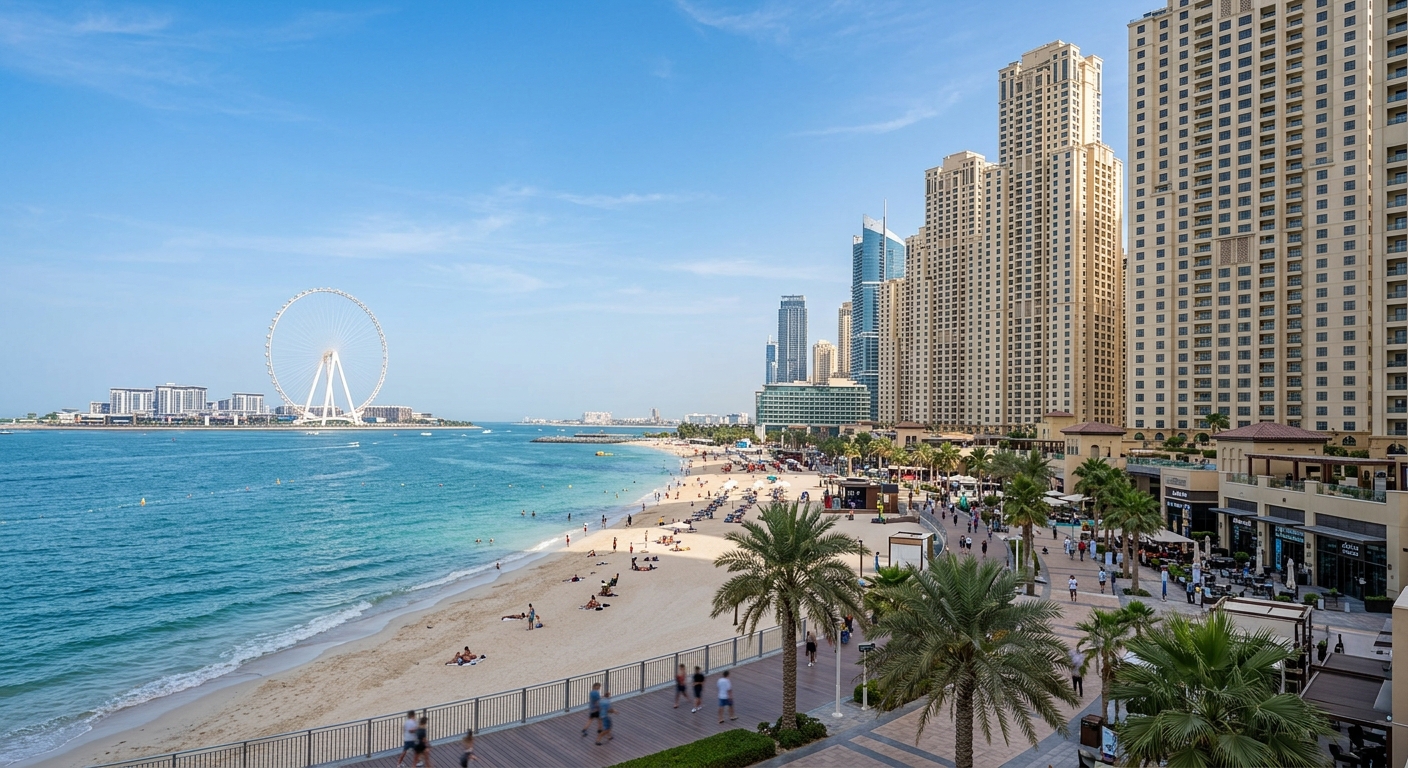
FIVE Luxe Hotel & Residence | 5BR + Maid Hotel Apartment | in JBR | HOT
FIVE Holdings · JBR
25,000,000 AED / 25,000,000 AED (Furnished)

Azizi Gardens | 1BR Apartment | in Meydan MBR | HOT
Azizi · Meydan MBR
930,000 AED
Match My Requirement
Tell us your budget and preferences — we'll match you with live Dubai & Abu Dhabi inventory within 24h.
Related Articles

Dubai Property Purchase Fees 2026: The Complete Cost Breakdown
Full breakdown of Dubai property purchase costs in 2026 — DLD transfer fee, registration, agent commission, mortgage fees, and hidden costs buyers often miss. Accurate figures, no estimates.
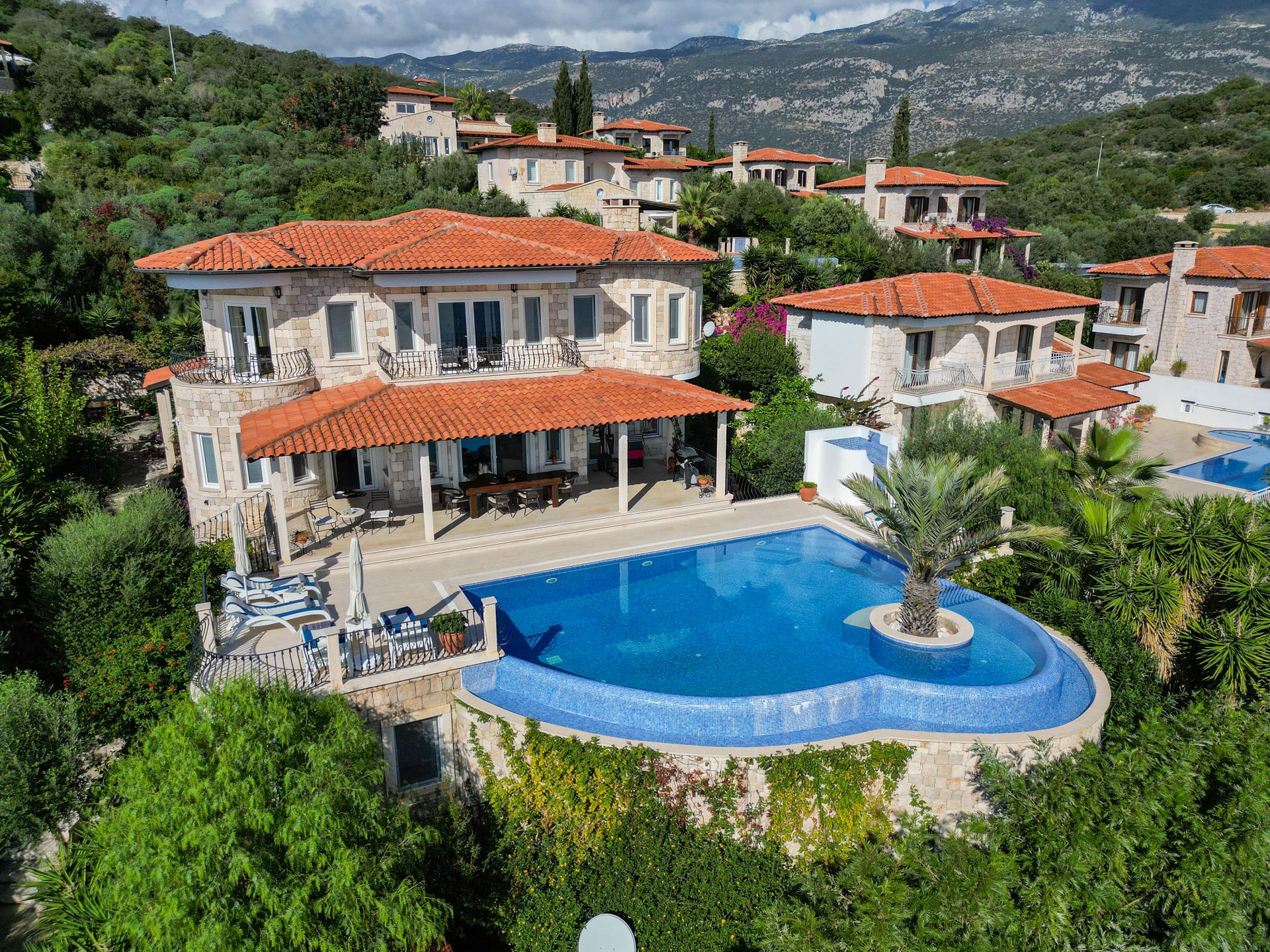
Townhouse vs Villa in Dubai: The Investor and Buyer's Decision Guide
Townhouse or villa in Dubai? A clear comparison covering price, size, maintenance, rental yield, and which communities offer each — written for buyers and investors.
Dubai Creek Harbour Off-Plan vs Ready Property: Which Strategy Fits Different Investors?
A side-by-side comparison of off-plan and ready property in Dubai Creek Harbour across capital, timing, risk and liquidity — no declared winner.