
Emaar’s AED 164.9 billion backlog means it has a large pool of already sold revenue still to be recognized as projects are built and handed over, which supports revenue visibility but does not equal cash, guarantee delivery, or prove current new sales are accelerating. Investors should always check the backlog’s reporting scope and date before comparing figures.
What Does Emaar's Backlog Rising to AED 164.9 Billion Mean for Investors?
In its H1 2026 financial results announced on August 7, 2026, Emaar Properties reported a group-wide revenue backlog of AED 164.9 billion, up 13% year-on-year. The figure was widely reported by Gulf News and Zawya alongside the company's headline profit and sales numbers.
What "Backlog" Actually Measures
Backlog is the value of units that have already been sold but whose revenue has not yet been fully recognized, because the underlying projects are still under construction or in the handover process. In accounting terms, developers using percentage-of-completion revenue recognition book revenue progressively as construction advances — backlog is the remaining unbooked value of confirmed sales.
In plain terms: backlog is a forward-looking indicator of revenue Emaar already has contracted, not yet delivered. It is not cash in hand, and it is not a forecast of future new sales.
Why the Backlog Number Differs Depending on Which Report You Read
One of the most common sources of confusion in Emaar's public reporting is that "backlog" is quoted at multiple different consolidation levels, and headlines rarely specify which one they mean:
- AED 164.9 billion — the group-wide backlog across all of Emaar Properties' operations (UAE and international, all segments), reported August 7, 2026.
- AED 135.7 billion — the backlog for Emaar's consolidated UAE development operations specifically (which includes Emaar Development plus other UAE development-related segments), up 6% year-on-year.
- AED 134.6 billion — the backlog reported for Emaar Development alone (the separately listed subsidiary responsible for UAE residential sales) as of the Q1 2026 update in May 2026, up 35% year-on-year at that time.
These are not contradictory figures — they measure different scopes of the business, at different points in time, and readers should always check which entity and reporting date a quoted backlog figure refers to before comparing it against another period or another developer.
Note: When comparing Emaar's backlog to another developer's, confirm both figures are reported at the same consolidation level (group vs. subsidiary) and the same reporting date — otherwise the comparison is not apples-to-apples.
What a Rising Backlog Means — and Does Not Mean
What it can indicate:
- Confirmed, contracted future revenue that supports financial visibility over the coming quarters and years.
- A pipeline of construction and delivery commitments the company has taken on.
What it does not automatically indicate:
- It is not a guarantee that new sales are currently accelerating. A rising backlog can coexist with a slowdown in new bookings in a specific quarter, if the pace of large prior sales has not been matched by revenue recognition yet.
- It does not measure execution risk (whether Emaar will deliver each project on schedule and to budget).
- It is not equivalent to cash flow; revenue is recognized progressively, not in a lump sum.
Investor Takeaway
A large and growing backlog is generally a sign of revenue visibility and demonstrated demand for a developer's existing project pipeline, but it should be read alongside — not instead of — quarterly new-sales figures and delivery performance. Always confirm which consolidation level a quoted backlog number refers to before using it in a comparison or investment decision.
Talk to our advisor to understand how Emaar's project pipeline and delivery schedule could affect a specific investment you're considering.
Author: Real Estate Investment Team — Muhalab Adam · Published: August 16, 2026 · Last updated: August 16, 2026
Sources: Gulf News (August 7, 2026); Zawya (August 2026); Emaar.com official press releases (May 2026, H1 2026 results).
FAQ
Is Emaar's backlog the same as its cash reserves? No. Backlog represents contracted revenue not yet recognized from units already sold; it is not cash on hand.
Why do different sources report different backlog figures for Emaar? Because backlog is reported at different consolidation levels — group-wide, UAE-consolidated development operations, or Emaar Development alone — and at different reporting dates. Always check which scope and date a figure refers to.
Does a rising backlog mean new sales are growing too? Not necessarily on the same quarter. Backlog reflects the cumulative value of confirmed prior sales not yet delivered; a quarter's new sales pace can slow even while backlog remains elevated from earlier bookings.
Is a large backlog a guarantee that projects will be delivered on time? No. Backlog measures contracted revenue, not construction or delivery risk. Project-specific delivery timelines should be verified separately.
Sources & Official References
- governmentDubai Land Department (DLD)
- governmentUAE Government Portal — Property & Housing
- developerEmaar Properties (Official)
Frequently Asked Questions
Related Listings
Exclusive Freehold Villa Plot in Dubai Hills Estate | Ready-to-Build with Approved G+1 Design
Emaar (Dubai Hills Estate) · Dubai Hills Estate, Dubai
AED 18,362,500
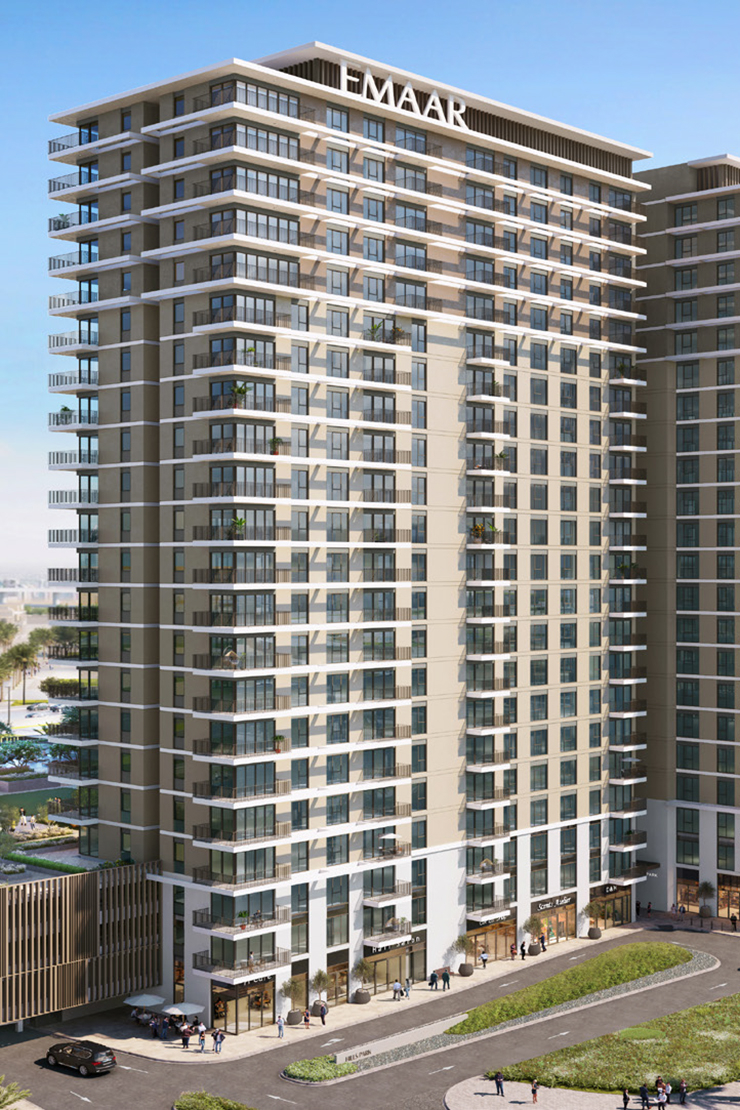
Hills Park | 1BR Apartment | in Dubai Hills
Emaar · Dubai Hills
1,680,000 AED / 1,700,000 AED (Furnished)
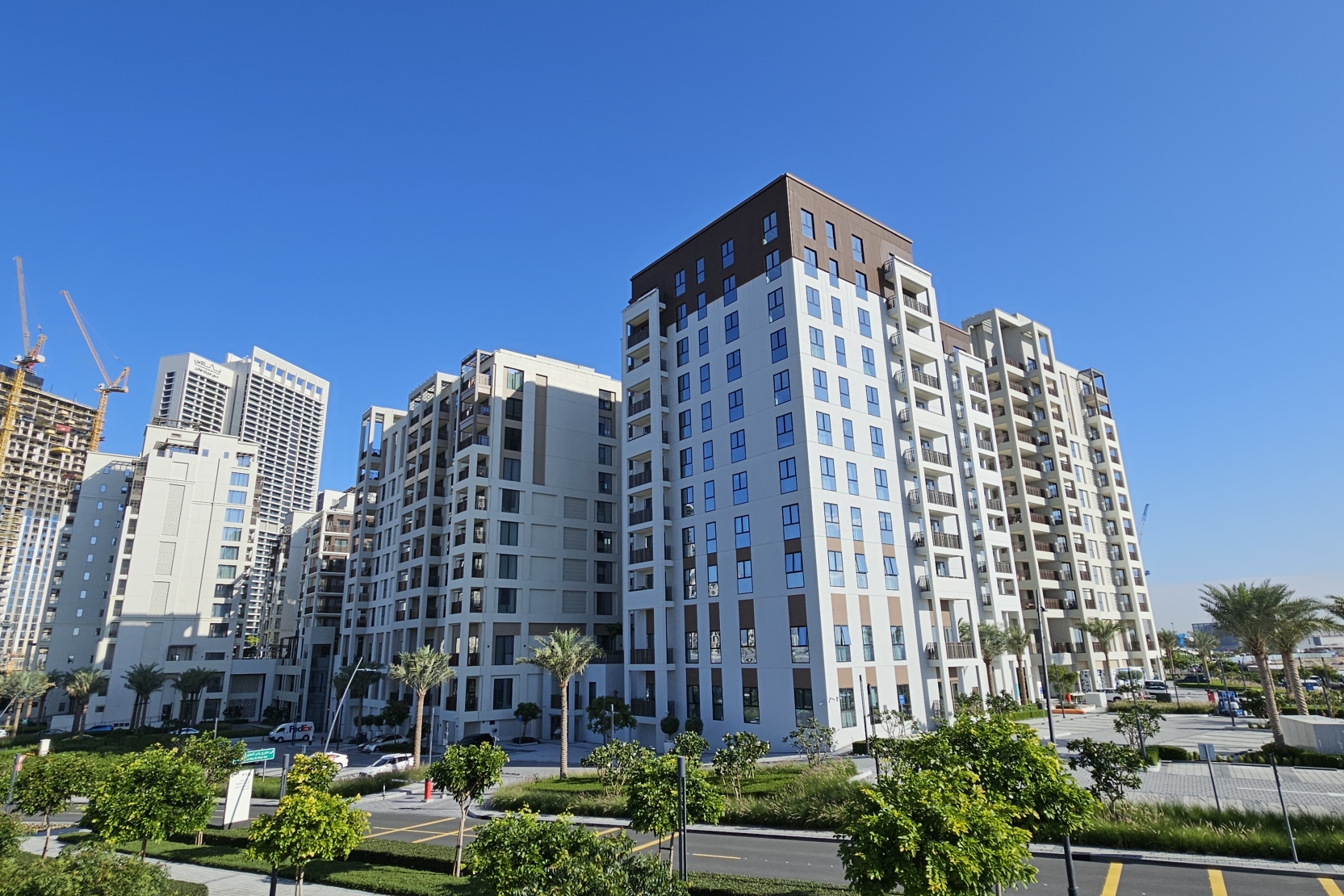
Creek Beach Savanna 3 | 2BR Apartment | in Creek Harbour
Emaar · Creek Harbour
2,650,000 AED

17 Icon Bay | 2BR Apartment | in Creek Harbour
Emaar · Creek Harbour
3,100,000 AED / 3,100,000 AED (Furnished)
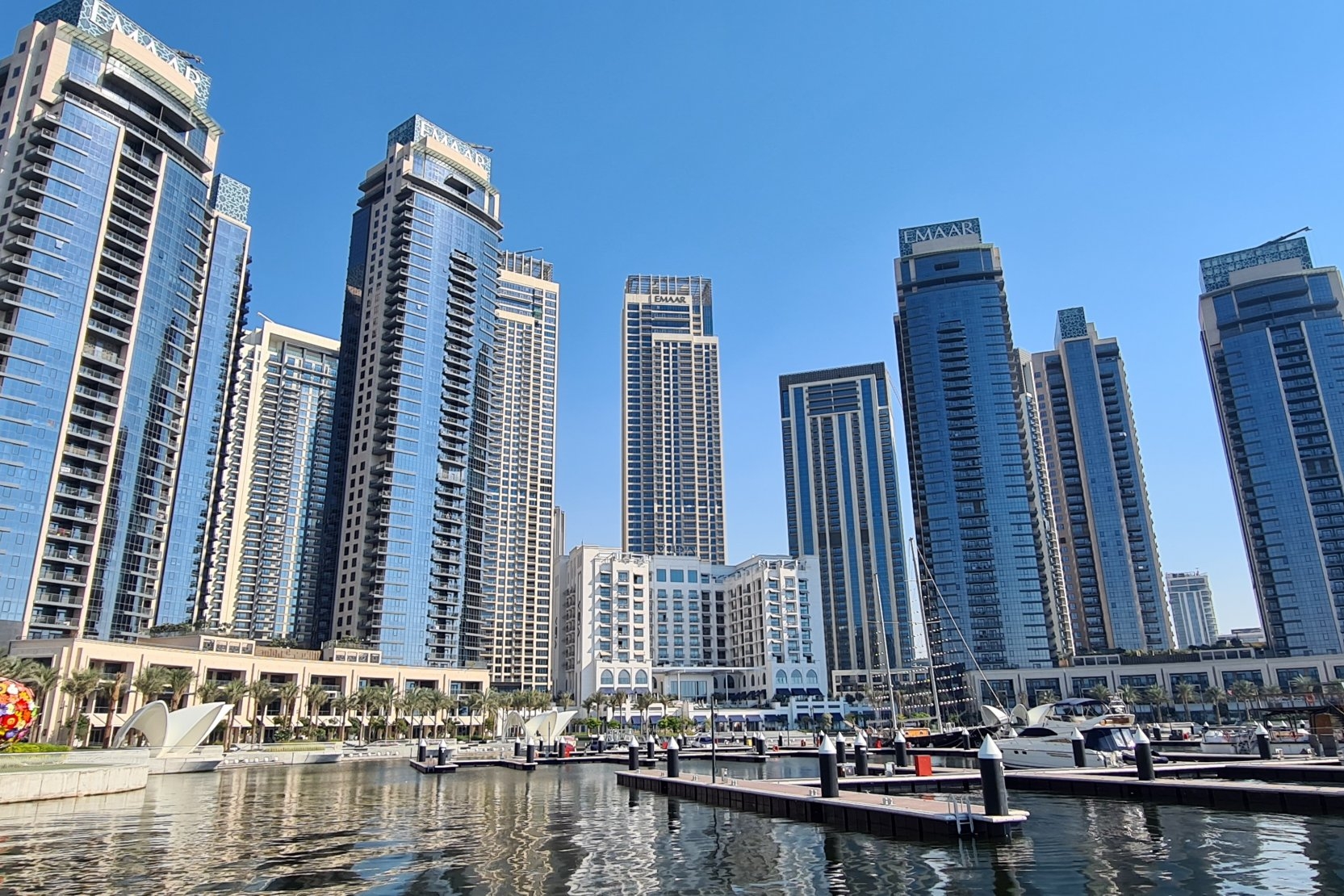
The Grand | 1BR Apartment | in Creek Harbour
Emaar · Creek Harbour
2,550,000 AED / 2,550,000 AED (Furnished)
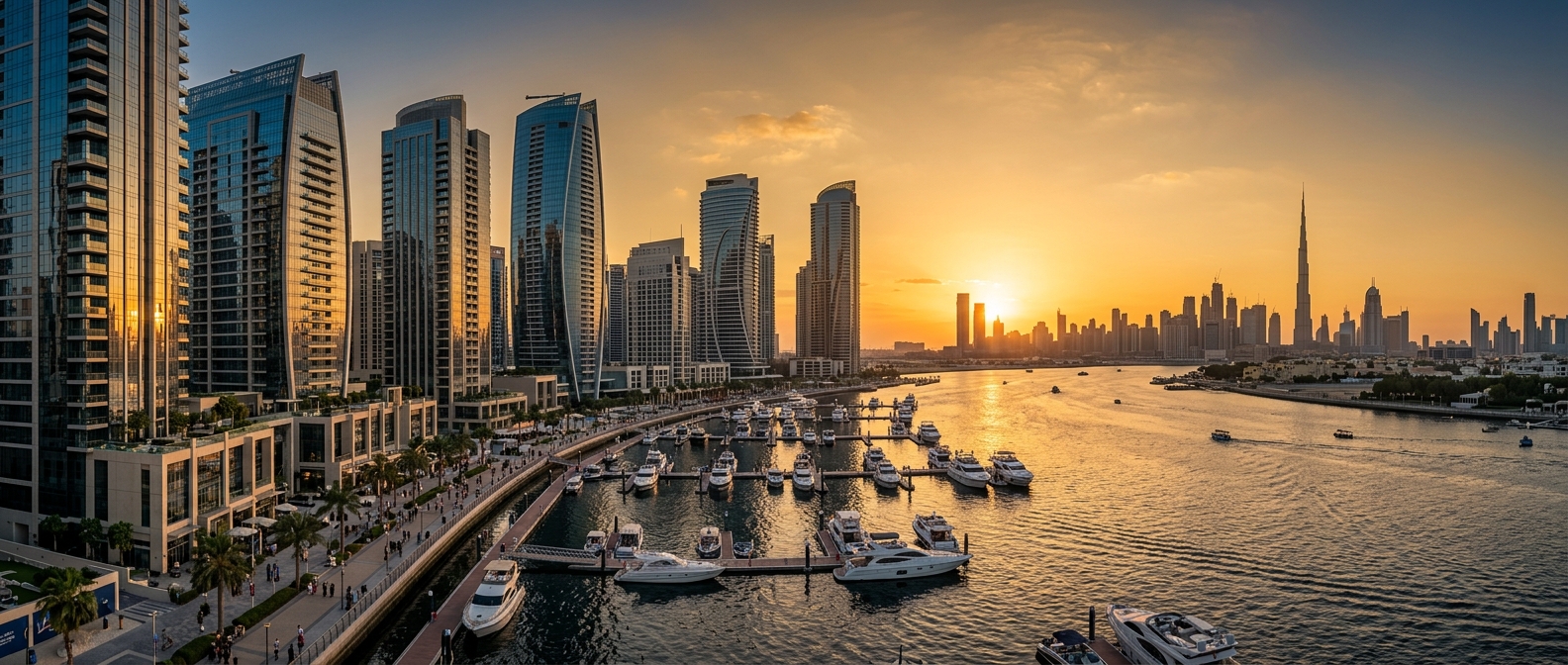
Creek Rise | 4BR + Maid Apartment | in Creek Harbour
Emaar · Creek Harbour
7,800,000 AED
Match My Requirement
Tell us your budget and preferences — we'll match you with live Dubai & Abu Dhabi inventory within 24h.
Related Articles
How to Buy a Property from Emaar in Dubai: A Step-by-Step Guide
Buying an off-plan or ready property from Emaar involves specific steps and regulatory protections unique to Dubai's real estate market. This guide walks through the process from initial research to registration, including the safeguards buyers should verify at each stage.
Emaar Payment Plans 2026: A Comprehensive Guide
Understanding how Emaar's payment plans typically work — and how the new ADCB financing option fits in — helps you evaluate the real cost of buying an Emaar unit. This guide explains the common structures without citing project-specific percentages that change frequently.
Value or Volume? What Emaar, Azizi, and Damac's Different Sales Rankings Actually Mean
A single market report can produce two different "leader" headlines depending on whether it measures total sales value or number of transactions. Here is what that distinction actually means for Emaar, Azizi, and Damac, and why it matters for how you interpret developer rankings.