
Emaar leading by total sales value and Azizi or Damac leading by transaction count are not contradictory because they measure different things. Value shows the combined price of units sold, while volume shows how many sales occurred, so investors should check which metric a ranking uses and verify project-level details separately.
Value or Volume? What Emaar, Azizi, and Damac's Different Sales Rankings Actually Mean
A market report distributed via Zawya on July 22-23, 2026, produced headlines that could easily be misread as contradictory: Emaar was reported as the sales leader, while Azizi and Damac were reported as leading by number of transactions. This article explains why both statements can be true at once, and what that means for how you should read developer rankings.
What the Report Actually Said
According to the market report: Emaar led Dubai's real estate market by total sales value, reported at AED 30.6 billion in the period measured, and also led by number of both delivered projects (9 projects, 3,819 units) and projects currently under construction (150 projects). In the same period, the report indicated that other developers — including Azizi and Damac — led by number of individual sales transactions.
Note: This market report was distributed via Zawya without full disclosure of the original research methodology or the exact figures for Azizi's and Damac's transaction counts. We recommend verifying any specific number against Dubai Land Department (DLD) transaction data directly before treating it as definitive, and we are not citing unverified transaction-count figures for Azizi or Damac here.
Why "Leading by Value" and "Leading by Volume" Are Different Things
- Total sales value reflects the combined price of all units sold. A developer with fewer, higher-priced transactions can lead by value while trailing in transaction count.
- Number of transactions reflects how many individual sales occurred, regardless of price. A developer selling a larger number of lower-priced units can lead by transaction count while trailing in total value.
This is a structural feature of real estate markets, not evidence that one developer is "better" than another. A developer with a large portfolio of premium, higher-priced projects (like Emaar's Downtown Dubai or Dubai Creek Harbour developments) will naturally generate high total value even without necessarily processing the largest number of individual sales.
What This Means for a Buyer's Decision
- If you are evaluating a developer's overall market scale, total sales value is a reasonable proxy for the size of transactions the developer is closing.
- If you are evaluating market activity or liquidity (how many transactions are happening), transaction count is the more relevant metric — but it does not by itself tell you about price points or profit margins.
- Neither metric alone tells you about a specific project's construction quality, delivery timeline, or escrow compliance — those require project-level verification regardless of which developer-level ranking you're looking at.
Investment Takeaway
A developer topping a "sales leader" headline by value and a different developer topping a "most transactions" headline in the same market report are not contradictory facts — they reflect different underlying metrics. Understand which metric a ranking is actually measuring before drawing conclusions about which developer is "winning," and always verify project-specific details independently of any developer-level ranking.
Speak with our advisor to understand how sales scale and transaction volume metrics relate to specific project opportunities you're considering.
Author: Real Estate Investment Team — Muhalab Adam · Published: August 16, 2026 · Last updated: August 16, 2026
Sources: Zawya market report (July 22-23, 2026); Emaar.com official press releases.
FAQ
Does leading in total sales value mean a developer is more successful overall? It means the developer closed a higher combined value of transactions in the period measured. It does not by itself indicate profitability, delivery quality, or customer satisfaction.
Why would Azizi or Damac lead by transaction count but not by total value? This can happen if a developer sells a larger number of lower-priced units, generating more individual transactions without necessarily generating the highest combined sales value.
Which metric matters more for my investment decision? Neither metric alone should drive your decision. Evaluate the specific project you're considering — construction stage, delivery record, payment terms, and escrow compliance — independently of developer-level rankings.
Where can I verify these sales figures independently? Dubai Land Department (DLD) publishes transaction data that can be used to independently verify market reports like the one referenced in this article.
Sources & Official References
- governmentDubai Land Department (DLD)
- governmentUAE Government Portal — Property & Housing
- developerEmaar Properties (Official)
Frequently Asked Questions
Related Listings
Exclusive Freehold Villa Plot in Dubai Hills Estate | Ready-to-Build with Approved G+1 Design
Emaar (Dubai Hills Estate) · Dubai Hills Estate, Dubai
AED 18,362,500
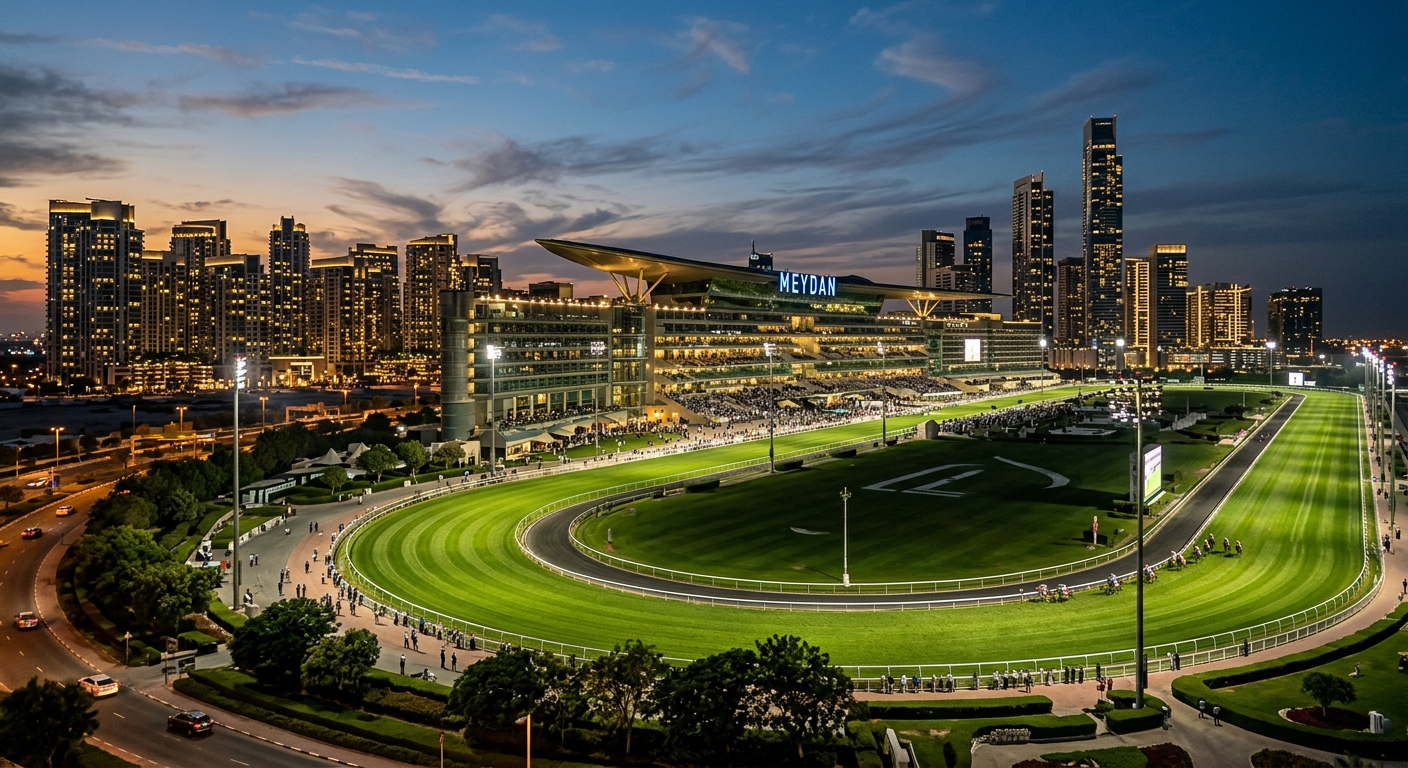
Azizi Gardens | 1BR Apartment | in Meydan MBR | HOT
Azizi · Meydan MBR
930,000 AED
Azizi Riviera 26 | 2BR Apartment | in Meydan MBR | HOT
Azizi · Meydan MBR
1,630,000 AED
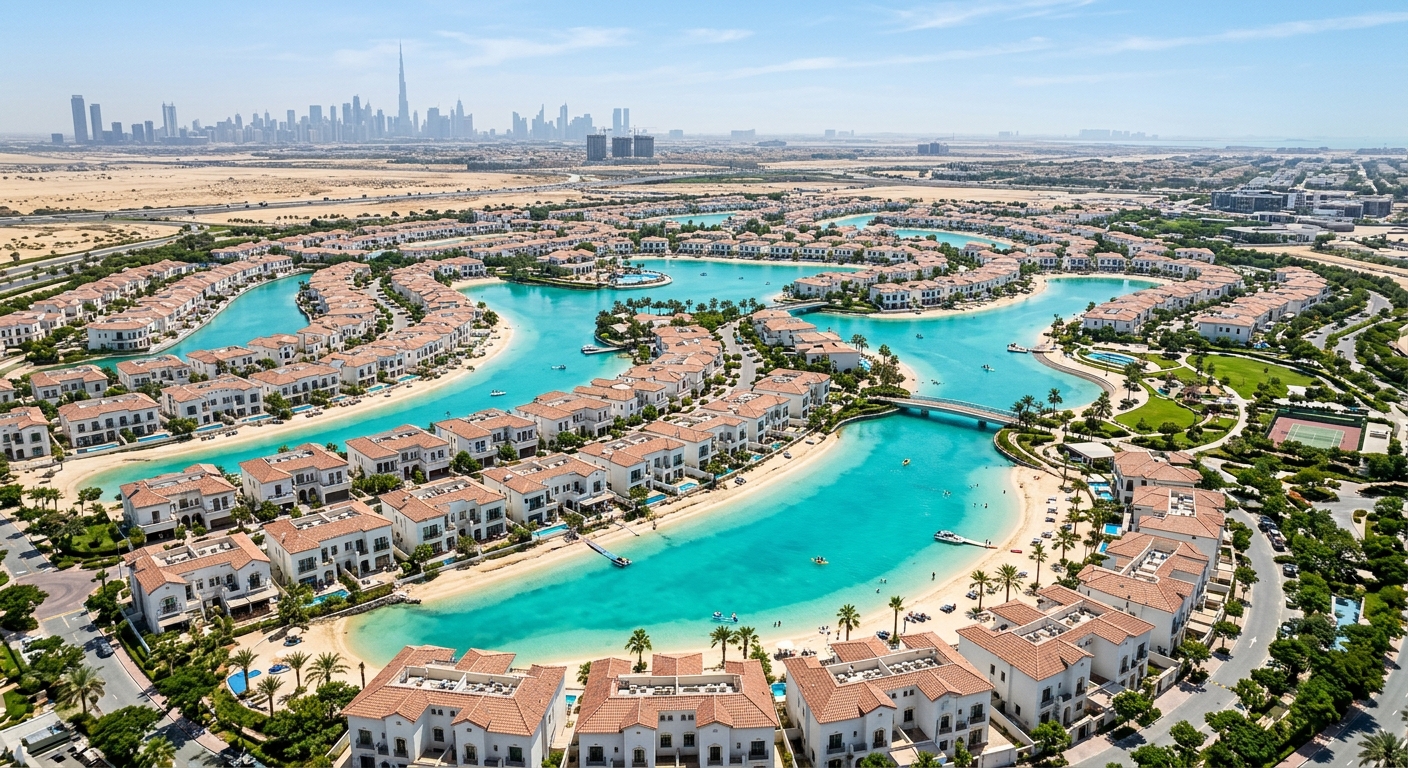
Santorini 1 | 4BR Townhouse | in DAMAC Lagoons | HOT
DAMAC · DAMAC Lagoons
3,950,000 AED (Furnished)
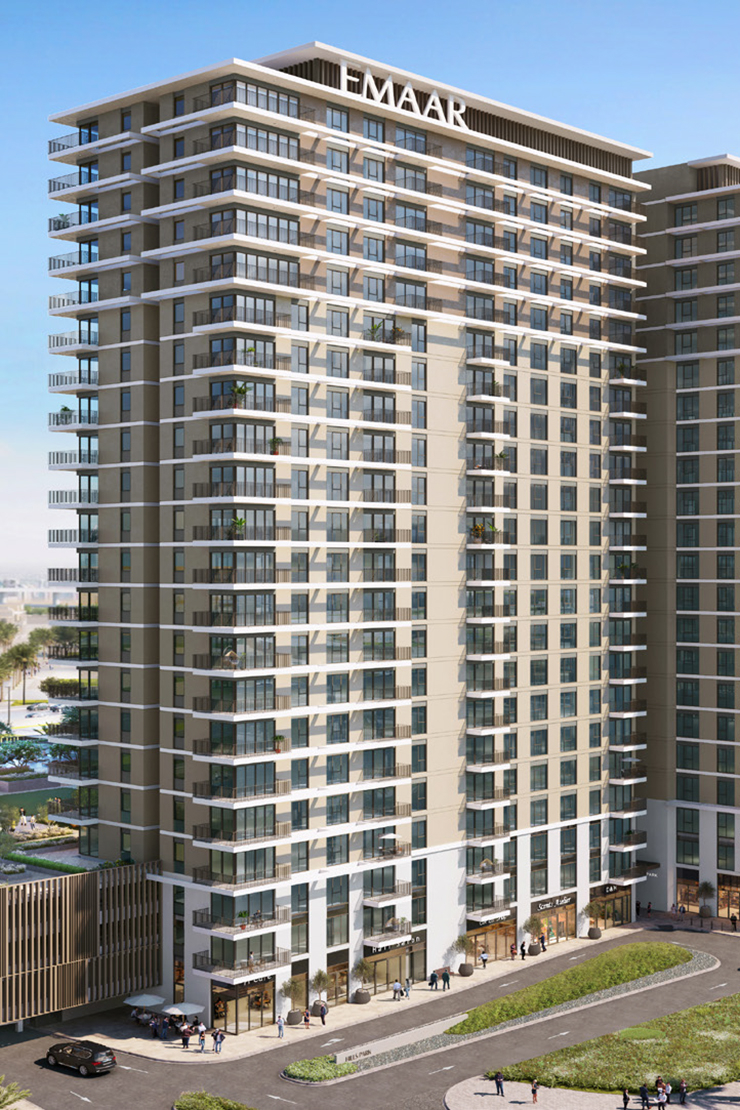
Hills Park | 1BR Apartment | in Dubai Hills
Emaar · Dubai Hills
1,680,000 AED / 1,700,000 AED (Furnished)
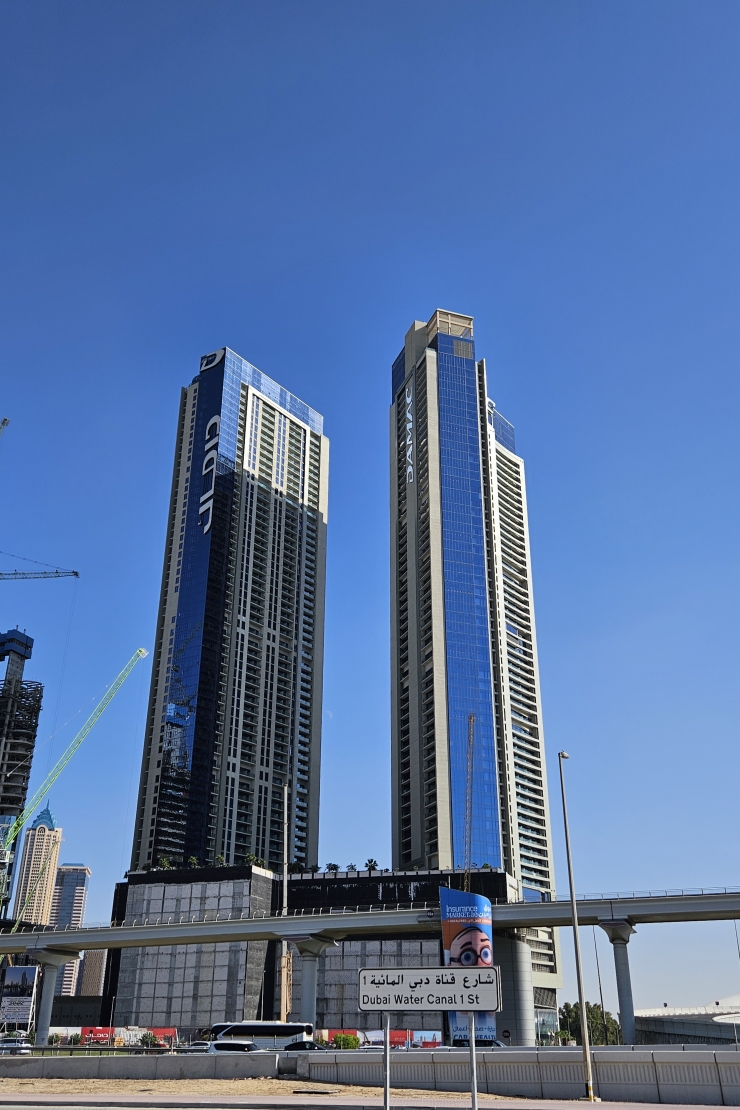
AYKON City 2 – Tower C | 2BR Apartment | in Business Bay
DAMAC · Business Bay
1,730,000 AED / 1,760,000 AED (Furnished)
Match My Requirement
Tell us your budget and preferences — we'll match you with live Dubai & Abu Dhabi inventory within 24h.
Related Articles
How to Buy a Property from Emaar in Dubai: A Step-by-Step Guide
Buying an off-plan or ready property from Emaar involves specific steps and regulatory protections unique to Dubai's real estate market. This guide walks through the process from initial research to registration, including the safeguards buyers should verify at each stage.
Emaar Payment Plans 2026: A Comprehensive Guide
Understanding how Emaar's payment plans typically work — and how the new ADCB financing option fits in — helps you evaluate the real cost of buying an Emaar unit. This guide explains the common structures without citing project-specific percentages that change frequently.
Emaar vs. Damac 2026: How the Two Developers Compare
Emaar and Damac are two of Dubai's most recognized developers, but they differ in portfolio scope, brand positioning, and business model. This comparison focuses on verified, sourced facts about Emaar, and is explicit about where Damac-specific figures require independent verification from Damac's own official sources.