

DIFC is Dubai’s flagship financial free zone and a separate legal jurisdiction, which is why its office market is priced above most other districts. It suits investors and businesses that prioritise capital stability, blue-chip financial tenants, regulatory relevance, and address prestige over maximum rental yield.
Why DIFC Matters to Commercial Real Estate Investors
The Dubai International Financial Centre (DIFC) is the emirate's flagship financial free zone and one of the most recognisable business addresses in the Middle East. Established in 2004, it operates under its own common-law legal framework, separate from onshore UAE civil law, with its own courts and the Dubai Financial Services Authority (DFSA) as regulator. For anyone looking at commercial property in Dubai, DIFC is a distinct category: it is not simply an office cluster, it is a jurisdiction, and that distinction drives everything about how the district is priced, leased, and occupied.
Location and Connectivity
DIFC sits between Sheikh Zayed Road and Financial Centre Road, adjacent to Trade Centre and a short drive from Downtown Dubai, Business Bay, and Dubai International Airport. The Financial Centre and Emirates Towers Metro stations sit on its edges, and the district is walkable in a way few other Dubai business districts are, with landscaped courtyards, retail arcades, and gallery space connecting the towers. This walkability, combined with proximity to Downtown's hotels and Burj Khalifa, is part of why multinational occupiers continue to choose it over more car-dependent business parks.
Who Operates in DIFC
DIFC is home to global and regional banks, asset managers, hedge funds, private equity firms, law firms, insurance companies, and a growing base of fintech and wealth-management start-ups through its Innovation Hub. Occupiers range from tier-one international banks with full floors in Gate Precinct and Central Park towers to boutique advisory firms taking smaller suites. This concentration of regulated financial activity is what gives DIFC its pricing power relative to other Dubai commercial districts — tenants are paying for jurisdiction, prestige, and proximity to counterparties, not just square footage.
Property Types and Ownership
Commercial space in DIFC is almost entirely Grade A office, split between landmark towers (Gate Precinct, Central Park, Index Tower, ICD Brookfield Place) and smaller boutique buildings. Retail is limited but concentrated at street level and in The Gate Village and Gate Avenue, catering to the working population rather than destination shopping. Freehold ownership of commercial units in DIFC is available to both UAE and foreign nationals, and units can be leased to third-party occupiers, which is what makes DIFC relevant to individual investors and not only corporate occupiers. That said, entry prices per square foot are consistently among the highest in Dubai's commercial market, reflecting the district's status rather than its size.
Investment Considerations
DIFC office space tends to command premium rents relative to comparable Grade A stock in Business Bay or Sheikh Zayed Road, and vacancy in prime towers has historically stayed tight because the pool of tenants who need a DIFC address — regulated financial firms specifically — is limited but resilient through cycles. That combination of high entry cost and steady, quality-tenant demand is the trade-off an investor is making: lower yield percentage than a mid-market office building, offset by lower volatility and stronger capital preservation. Investors should also factor in DIFC's own service charges and leasing regulations, which are administered separately from the Dubai Land Department under the DIFC's own property regulations.
Who Should Consider DIFC
DIFC suits investors prioritising capital stability and blue-chip tenant quality over headline yield, and businesses that specifically need a regulated financial licence or the prestige of the address for client-facing work. It is generally not the entry point for investors seeking maximum rental yield — that is more often found in JLT, Business Bay, or Dubai South. For companies weighing where to base a regional headquarters or a regulated financial arm, however, DIFC remains Dubai's default answer.
Key Takeaways
DIFC offers a distinct legal jurisdiction inside Dubai, a concentration of financial-sector tenants, freehold commercial ownership open to investors, and premium but resilient office pricing. It rewards investors and businesses that value stability, prestige, and proximity to the region's financial ecosystem over maximum short-term yield.
Sources & Official References
- governmentDubai Land Department (DLD)
- governmentUAE Government Portal — Property & Housing
- governmentUAE Federal Tax Authority (VAT)
Frequently Asked Questions
Related Listings
One by Binghatti | 3BR Suite Apartment | in Business Bay
Binghatti · Business Bay
AED 9,722,222
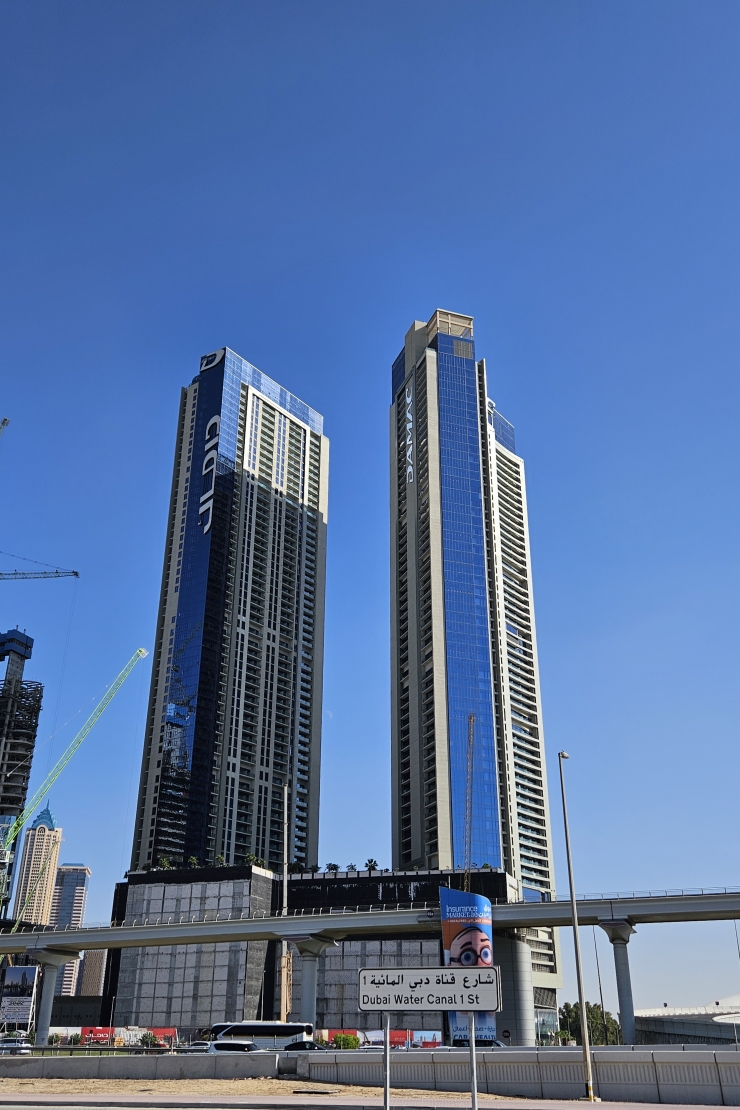
AYKON City 2 – Tower C | 2BR Apartment | in Business Bay
DAMAC · Business Bay
1,730,000 AED / 1,760,000 AED (Furnished)
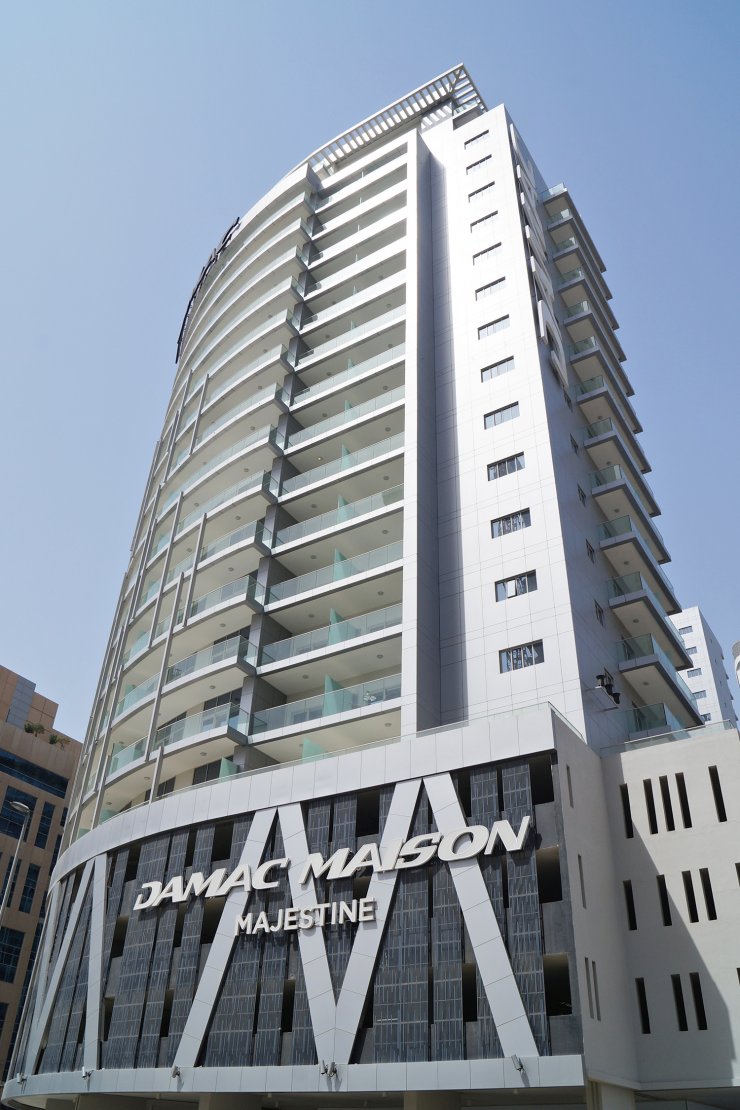
DAMAC Majestine | 3BR Apartment | in Business Bay
DAMAC · Business Bay
2,425,000 AED / 2,455,000 AED (Furnished)
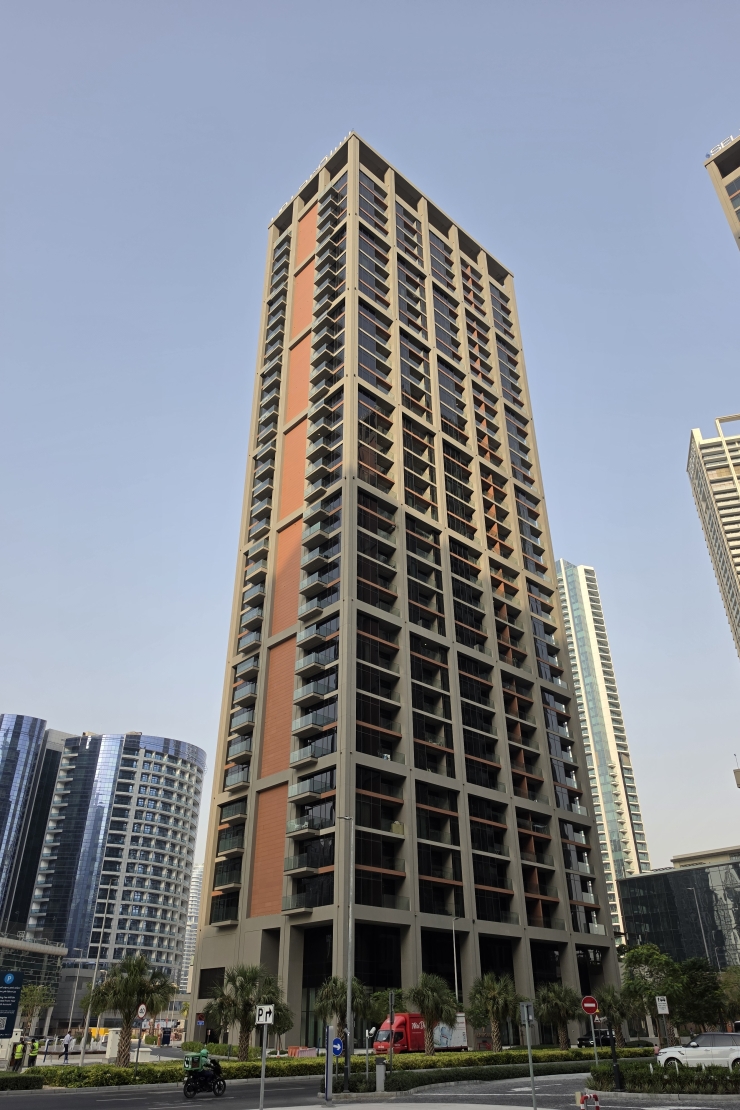
Peninsula Two | 1BR Apartment | in Business Bay
Ellington · Business Bay
1,990,000 AED
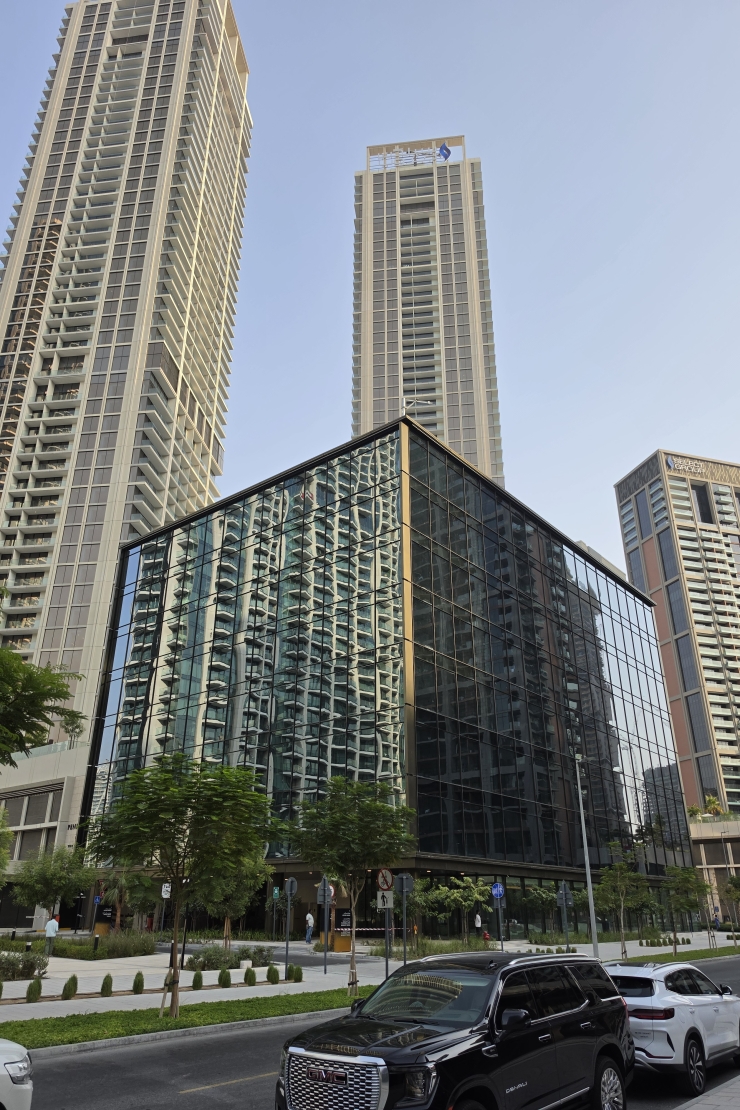
Peninsula Four | 1BR Apartment | in Business Bay
Ellington · Business Bay
2,400,000 AED
Burj Crown | 1BR Apartment | in Downtown Dubai
Emaar · Downtown Dubai
2,450,000 AED / 2,450,000 AED (Furnished)
Match My Requirement
Tell us your budget and preferences — we'll match you with live Dubai & Abu Dhabi inventory within 24h.
Related Articles

Dubai Investment Park (DIP): Industrial and Logistics Commercial Investment Guide
Dubai Investment Park is one of the emirate's largest mixed industrial, logistics, and commercial zones. A guide to its property types, ownership rules, and where it fits in Dubai's industrial investment map.

Dubai World Trade Centre (DWTC): Exhibitions and Corporate District Investment Guide
Dubai World Trade Centre anchors one of the emirate's oldest commercial and exhibition districts. A guide to its free zone status, tenant mix, property types, and what it offers investors.

Al Quoz Dubai: Industrial, Warehousing and Creative Business Investment Guide
Al Quoz has quietly become one of Dubai's most versatile commercial zones, mixing warehousing, light industry, and art galleries. A guide to its property types, ownership rules, and investment appeal.