

The key takeaway is that UAE commercial real estate is entering 2026 with strong momentum, led by Dubai and Abu Dhabi, driven by foreign investment, demand for prime offices, logistics expansion, and rising institutional capital. The market is also becoming more regulated, sustainability-focused, and data-driven, even as rent growth is expected to moderate.
UAE Commercial Real Estate Market Trends for 2026
A look at the key indicators and growth drivers shaping the commercial sector in Dubai and Abu Dhabi
The commercial real estate sector in the UAE, led by Dubai and Abu Dhabi, is experiencing a period of notable growth, supported by rising foreign direct investment, the expansion of the logistics and technology sectors, and the continued inflow of global companies establishing regional headquarters in the country. According to recent market reports, Dubai alone recorded real estate transactions worth AED 554.1 billion in 2025, up 28.3% year-on-year, while Abu Dhabi's sales jumped to around AED 58 billion, a rise of 75.8% compared to the previous year, with transaction volumes growing by more than 40%. This article reviews the key trends shaping the UAE's commercial market through 2026.
Market Performance Overview
The UAE continues to cement its position as a leading regional commercial hub for the Middle East, South Asia, and Africa region, driven by corporate tax reforms, incentives offered in free zones, along with continued foreign direct investment inflows and population growth at rates exceeding previous forecasts. Reports indicate the market is entering 2026 in "a new era of regulation, institutional investment, and data-driven growth," with institutional investors increasingly relying on disciplined property valuations that follow internationally recognized standards, and detailed feasibility studies before deploying capital.
On rental yields, Dubai continues to hold one of the highest rates of return globally, with residential rental yields generally ranging between 6% and 8%, while areas such as Jumeirah Village Circle, Business Bay, and Dubai South achieve total yields ranging between 7% and 9%, clearly exceeding the average returns in major global markets such as London, New York, and Singapore, which typically range between 3% and 5%. However, forecasts point to a relative slowdown in the pace of rent increases during 2026, down to around 6%, following a series of sharp increases in prior years, with the possibility that the market approaches a cyclical peak during the first half of the year while economic fundamentals remain solid.
Office Sector: Rising Demand for Prime Space
Dubai's office sector, particularly in areas such as the Dubai International Financial Centre, Downtown Dubai, and Business Bay, is seeing strong demand for Class A office space, driven by the expansion of multinational companies establishing new regional headquarters in the country. Reports point to declining vacancy rates in these institutional-grade buildings, alongside longer lease terms and rising expectations around the quality of interior fit-outs. Tenants today favor spaces with modern infrastructure, flexible, adaptable designs, and sustainability-related features, as well as easy access via public transport networks, factors that continue to support rising rents in key locations.
Growth of Flexible Workspaces
The growth of startups and the spread of remote and hybrid work patterns have accelerated the adoption of co-working space models, with notable expansion in areas such as Dubai Internet City and Dubai Media City. Many companies, small and large alike, now favor short-term leases and scalable solutions that give them operational flexibility without committing to long-term contracts, reshaping the strategies of office property owners, who have begun integrating flexible spaces within their traditional buildings to attract this segment of tenants.
Retail Sector Shifts Toward the Integrated Experience
The retail real estate sector is undergoing a fundamental shift from the traditional sales model toward experience-based spaces that combine shopping, entertainment, and dining in a single destination, in the face of rising competition from e-commerce. Major destinations such as The Dubai Mall are seeing an increase in pop-up stores and hybrid models that blend online and traditional shopping, alongside integrated entertainment projects aimed at keeping retail properties competitive and drawing visitor footfall amid changing consumer behavior.
The Logistics and Industrial Boom
The warehouse and distribution center sector is seeing rising demand as the UAE strengthens its position as a global trade hub connecting East and West, supported by integration between seaports and airports. Areas such as the Jebel Ali Free Zone, Dubai South, and Dubai Investment Park are among the leading destinations attracting investment in smart warehouses and distribution centers close to cities, meeting the fast-delivery needs generated by the continued expansion of e-commerce.
The Impact of Government Policy on the Market
Government policy plays a central role in shaping the UAE's commercial real estate market, starting with long-term visa schemes targeting investors and business owners, through free zone incentives that allow full foreign ownership and tax exemptions in specific sectors, up to digital transformation initiatives that have streamlined property registration and business licensing procedures. Together, these policies have helped strengthen international investor confidence and made the UAE a competitive destination compared to other regional markets with more complex regulatory procedures. This policy influence is expected to continue supporting demand for commercial real estate in coming years, especially as the government continues reviewing and updating legislative frameworks in line with the expectations of investors and global companies.
Sustainability and Digital Transformation
UAE real estate developers are showing growing interest in incorporating energy-efficient designs and smart technologies into new commercial projects, in line with national environmental initiatives and sustainable development goals. Sustainability and energy-efficiency certifications have become an influential factor in many tenant companies' decisions, particularly global firms that adhere to environmental, social, and governance (ESG) standards when choosing their premises.
The Growing Role of Institutional Investors and Family Offices
One of the most notable features of the UAE's commercial market in 2026 is the gradual shift from the dominance of individual investors toward a broader entry of institutional investors and family offices seeking assets that generate steady long-term income. This segment of investors tends to prefer acquiring entire buildings rather than individual units, given the greater control this provides over leasing strategy, maintenance, and asset value. This shift is accompanied by rising demand for disciplined property valuations following internationally recognized standards such as those of the Royal Institution of Chartered Surveyors (RICS) and the International Valuation Standards Council (IVSC), alongside detailed feasibility studies that account for alignment with the country's new tax and regulatory frameworks.
Regional Comparison: How Does the UAE Position Itself Among Gulf Markets?
The momentum is not limited to Dubai and Abu Dhabi alone but extends across the wider Gulf region, where neighboring markets are seeing parallel growth driven by ambitious development visions adopted by regional countries as part of their long-term strategies. Nonetheless, the UAE maintains its relative edge thanks to its stable regulatory environment, its extensive network of international trade agreements, and its geographic position as a connecting point between Asia, Africa, and Europe. Together, these factors make Dubai in particular a preferred destination for investors seeking regulatory stability compared to some other emerging markets in the region, which is reflected in the continued outperformance of its rental yields relative to global peers.
Potential Challenges to Continued Growth
Despite the positive indicators, the market faces some challenges investors should watch closely. On one hand, the continued pace of new development supply in certain areas could put competitive pressure on rents if not matched by similar growth in demand. On the other hand, global interest rates and international capital flows remain an influential factor in financing costs and the market's appeal to foreign investors. Any potential slowdown in the global economy could also affect multinational companies' decisions on regional expansion, which could gradually affect demand in the office sector in particular. The ability to distinguish between opportunities based on solid economic fundamentals and those driven by short-term speculative momentum remains one of the most important challenges facing investors going forward.
Looking Ahead
Taken together, the indicators suggest that the UAE's commercial real estate market is heading toward greater maturity and institutional discipline through 2026, with institutional investors and family offices continuing to favor income-generating assets and whole buildings as a stable long-term investment option. Despite expectations of a gradual slowdown in the pace of price and rent growth compared to previous years, strong economic fundamentals and major development projects in the logistics, tourism, aviation, and technology sectors continue to support confidence in the future of this vital sector. Both investors and companies should monitor these indicators regularly, given that real estate markets, however stable they may appear, remain subject to local and global economic and regulatory changes.
Sources & Official References
- governmentDubai Land Department (DLD)
- governmentUAE Government Portal — Property & Housing
- governmentUAE Federal Tax Authority (VAT)
Frequently Asked Questions
Related Listings
Exclusive Freehold Villa Plot in Dubai Hills Estate | Ready-to-Build with Approved G+1 Design
Emaar (Dubai Hills Estate) · Dubai Hills Estate, Dubai
AED 18,362,500
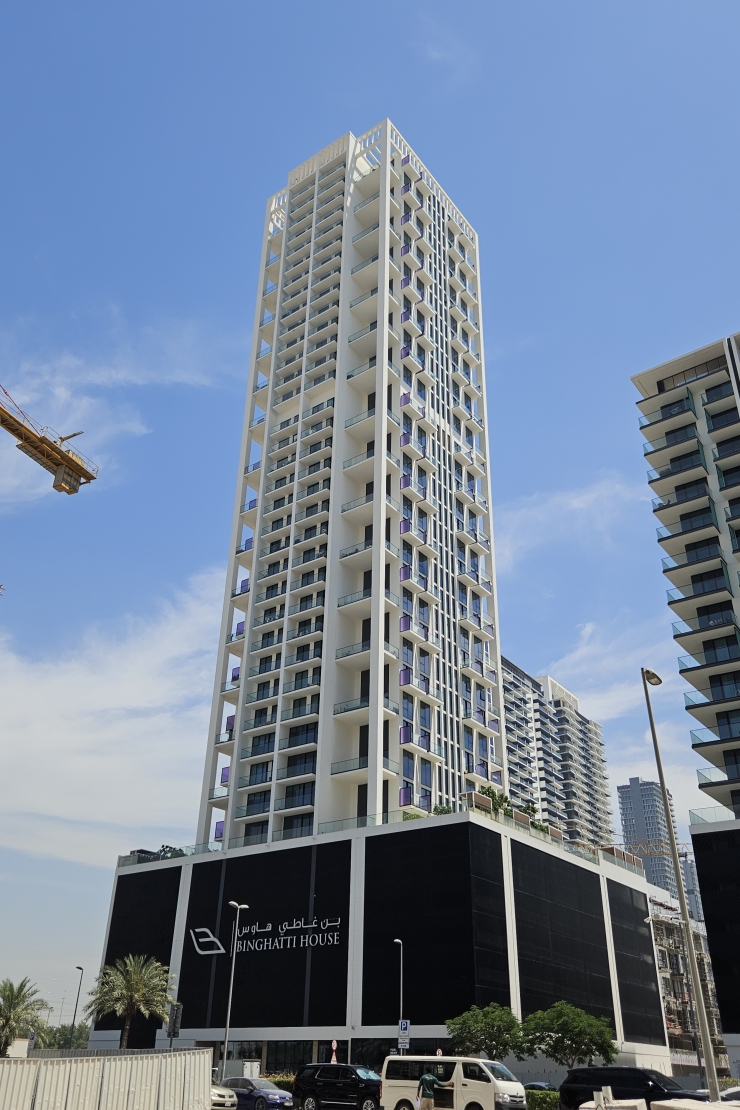
Binghatti House | 2BR Apartment | in JVC | HOT
Binghatti · JVC
1,605,000 AED
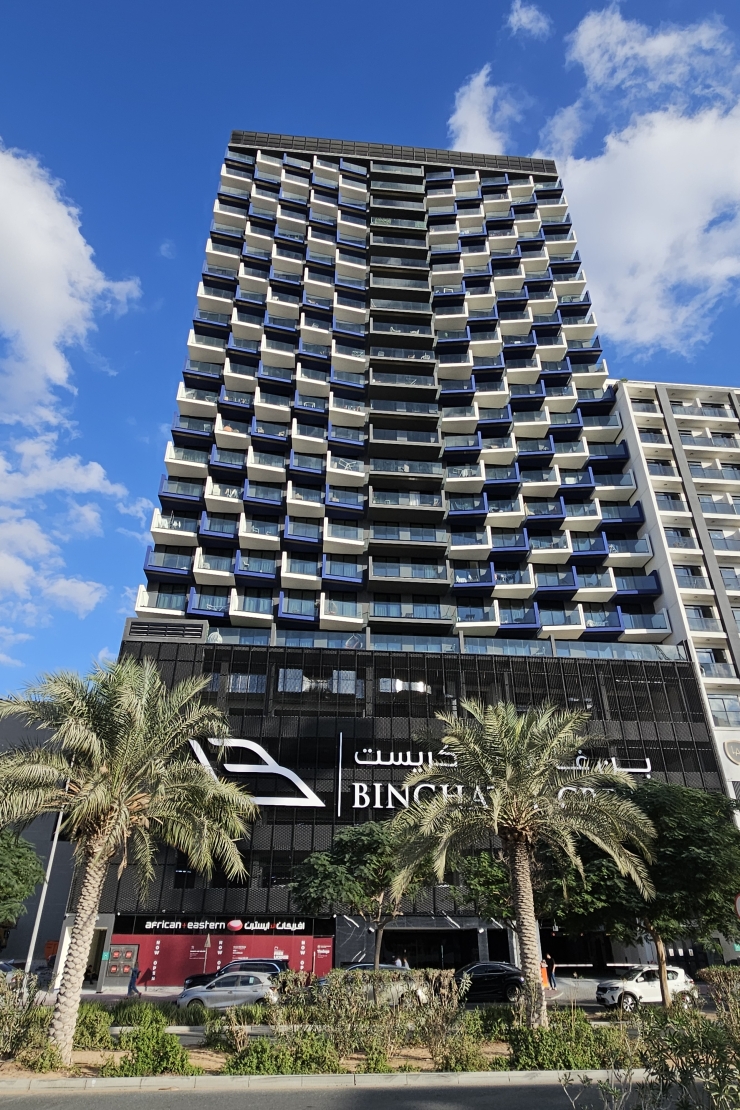
Binghatti Crest | 3BR Apartment | in JVC | HOT
Binghatti · JVC
1,800,000 AED (Furnished)
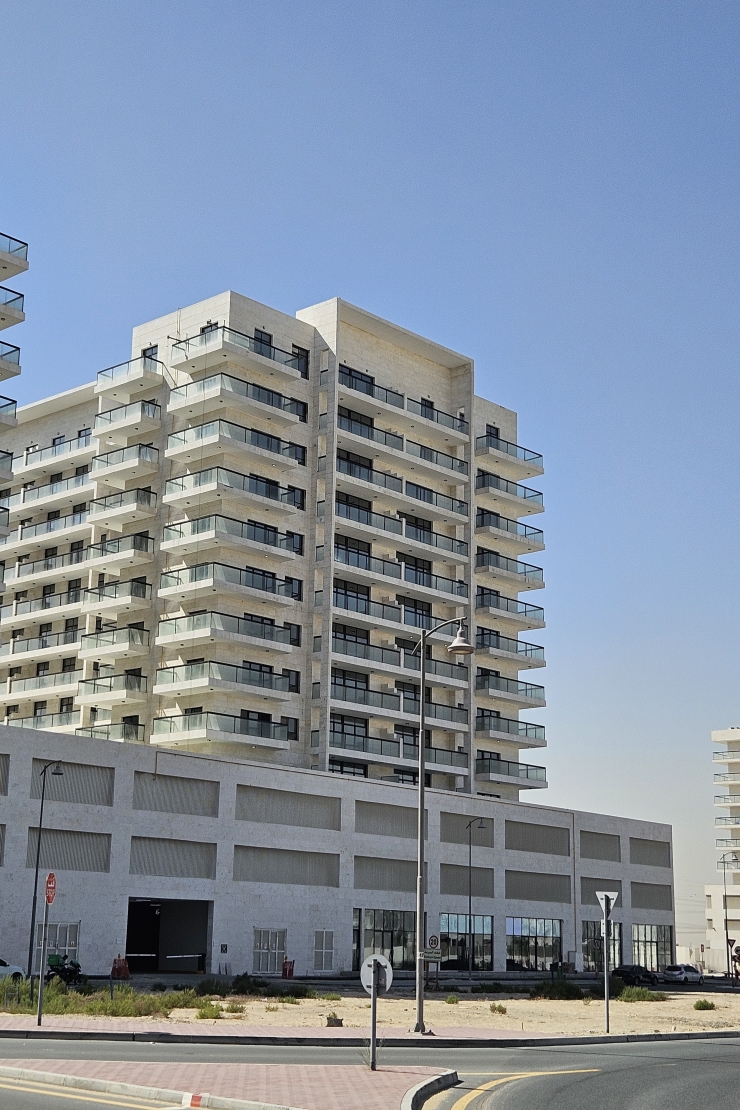
Equiti Home | 1BR Apartment | in Al Furjan | HOT
BNH Real Estate · Al Furjan
970,000 AED
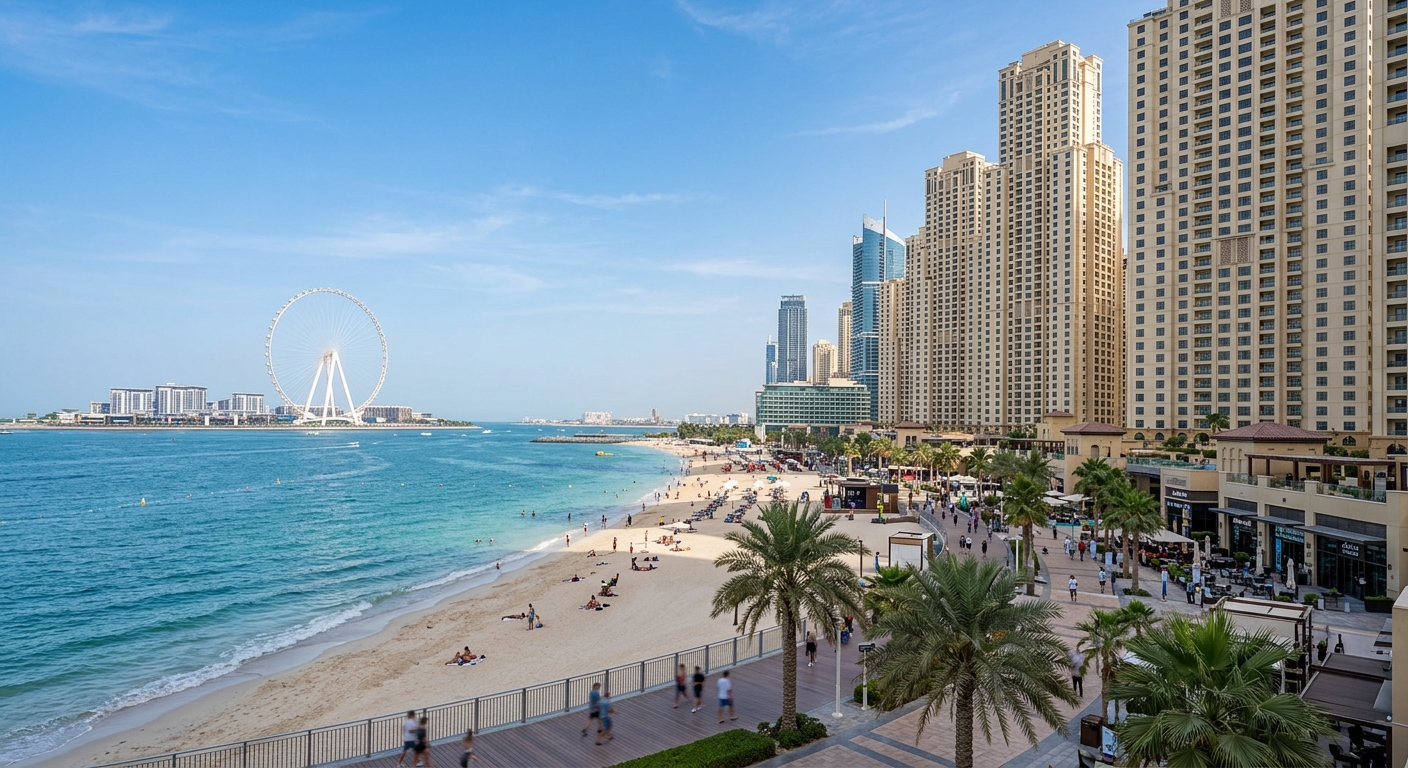
FIVE Luxe Hotel & Residence | 5BR + Maid Hotel Apartment | in JBR | HOT
FIVE Holdings · JBR
25,000,000 AED / 25,000,000 AED (Furnished)
Azizi Gardens | 1BR Apartment | in Meydan MBR | HOT
Azizi · Meydan MBR
930,000 AED
Match My Requirement
Tell us your budget and preferences — we'll match you with live Dubai & Abu Dhabi inventory within 24h.
Related Articles

How to Choose the Right Commercial Location for Your Business
A practical guide for business owners and investors on selecting the right commercial location: accessibility, target audience, competition, cost, infrastructure, and the common mistakes to avoid.

Buying Off the Plan in Dubai as a First-Time Buyer: The Guide Nobody Puts in the Brochure
First-time off-plan buyers are the segment most likely to overpay. Seven specific mistakes account for most of those losses. Name them upfront, avoid them upfront, and the process becomes navigable.

Off-Plan Investment Strategy in Dubai for 2026: Which Trade Fits Which Investor
Yield-first, capital appreciation, and end-user strategies each need different communities, developers and unit types. Choose one and execute the diligence. Do not run three strategies with one unit.