
Yes, Abu Dhabi real estate showed strong 2026 price growth, rental yields and transaction activity, but the key current constraint is the 3 June 2026 ADREC rent freeze at 0% for renewals until further notice. That means past rent-growth assumptions are outdated, and any investment view must weigh growth momentum against income limits, off-plan risk and lower liquidity than Dubai.
Is Abu Dhabi Real Estate a Good Investment in 2026?
Overview
Abu Dhabi's residential property market has posted some of the strongest growth figures in the UAE through 2026 — but "strongest growth" and "good investment for you" are not the same question. This guide lays out what's independently confirmed about prices, rents, yields and transaction volumes, alongside the real risks (including a government rent freeze introduced mid-2026), so you can form your own evidence-based view rather than rely on a single headline statistic.
Price Growth: Independently Confirmed, But the Number Depends on the Date
Multiple independent data providers confirm Abu Dhabi residential prices rose sharply in 2026, though the exact percentage varies by measurement window — a reminder that "prices rose X%" always needs a source and a date attached:
- REIDIN data cited via Global Property Guide, as of April 2026: Abu Dhabi's Residential Market Sales Price Index rose 27.76% year-on-year, with apartments up 31.46% and villas up 7.84%. For comparison, Dubai posted only 6.09% annual growth over the same window — Abu Dhabi meaningfully outpaced Dubai in 2026.
- Q1 2026 valuation data (same source): off-plan homes averaged AED 2,191/sq ft (+17.99% YoY); ready homes averaged AED 1,507/sq ft (+25.06% YoY).
- ValuStrat forecast: 16% capital value growth projected for all residential properties across 2026, with apartments expected to outperform villas.
These are strong, broadly consistent numbers across sources — but they describe a market that had already run hot by the time of measurement, which matters for anyone buying at 2026 prices expecting the same trajectory to continue. (Source: Global Property Guide, citing REIDIN and ValuStrat data.)
Rental Market: Growth Is Real, But It's Decelerating — and Now Frozen
Rents in Abu Dhabi have been rising too, but the trend line matters more than any single figure:
- Annual rent increases decelerated from 21.8% in December 2025 to 12.0% by April 2026 — apartments rose 12.9%, villas rose 7.7% year-on-year.
- Average annual rents in Q1 2026: apartments AED 121,500 (~USD 33,084); villas AED 260,000 (~USD 70,796); combined average AED 163,000 (~USD 44,384).
The single most important fact for anyone evaluating rental income in 2026: on 3 June 2026, the Abu Dhabi Real Estate Centre (ADREC) officially froze the annual rental cap increase at 0% (down from the prior 5% cap) for residential, commercial and industrial tenancies, "until further notice." This is confirmed directly on ADREC's own website. All lease renewals must now reference the rate on the property's last registered Tawtheeq contract, with no increase permitted for the duration of the measure. ADREC's stated rationale: new lease prices had risen 15% across Abu Dhabi and 23% in investment zones in the prior year, prompting affordability concerns.
What this means for investors: any rental-income projection based on 2025-era rent growth rates is now outdated. Existing tenancies cannot see rent increases for the duration of the freeze, regardless of what market rents are doing. This is a real, current regulatory constraint — not a hypothetical risk — and should be central to any 2026 buy-to-let decision.
Rental Yields: Where They Stand
REIDIN's data (via Global Property Guide) puts overall Abu Dhabi residential rental yields at 6.08%, with apartments at 6.50% and villas at 4.75% — figures that are generally considered attractive relative to many global gateway cities, though they predate the June 2026 rent freeze and may compress if rents stay flat while purchase prices continue climbing.
Transaction Activity: Genuine Demand Signal
Abu Dhabi City recorded 7,200+ transactions in Q1 2026 — its second-strongest quarterly performance on record, roughly double the prior year's volume. Off-plan sales dominated at 81% of all transactions, and apartments made up 73% of activity. By comparison, Dubai recorded a much larger 45,200 transactions in the same quarter (+3.9% YoY but down 17.1% quarter-on-quarter) — a useful reminder that Abu Dhabi remains a smaller, less liquid market than Dubai in absolute terms, even as its growth rate has outpaced Dubai's recently. (Source: Global Property Guide, citing Savills/REIDIN data.)
Golden Visa Eligibility
As with the rest of Abu Dhabi's investment-zone freehold market, property purchases of AED 2 million or more can qualify a buyer for the UAE's 10-year Golden Visa — a widely cited threshold across UAE real estate guides, though buyers should confirm current eligibility criteria directly with UAE federal immigration authorities (ICP) before relying on it as an investment driver, since visa rules can change independently of property regulations.
Investment Considerations
- Price growth is real and independently confirmed across multiple data providers, but by definition describes what already happened — not a guarantee of what happens next. A market that just posted 25%+ annual growth carries more mean-reversion risk than one growing steadily at 5-8%.
- The June 2026 rent freeze is the single most important current fact for rental-income investors and should override any rental yield projection based on pre-freeze growth trends.
- Transaction volume growth (roughly doubling YoY in Q1 2026) is a genuine demand signal, not just a price story — more buyers were actually completing deals, not just prices moving on thin volume.
- Abu Dhabi remains smaller and less liquid than Dubai by transaction count, which can mean less resale competition among sellers but also fewer comparable sales to benchmark pricing against.
- Off-plan dominance (81% of Q1 2026 transactions) means most current activity carries developer-delivery risk and construction-timeline uncertainty — factor this in alongside any price-growth statistic.
- This is general market information, not personalized financial or investment advice. Past performance, including the 2026 growth figures above, does not guarantee future returns, and property values can also decline.
Frequently Asked Questions
Are Abu Dhabi property prices rising in 2026? Yes, independently confirmed by multiple data providers — REIDIN data cited via Global Property Guide shows Abu Dhabi's residential price index up 27.76% year-on-year as of April 2026, outpacing Dubai's 6.09% over the same period.
What is Abu Dhabi's rental yield in 2026? REIDIN data puts overall residential yields at 6.08%, with apartments at 6.50% and villas at 4.75%, as of the most recent reporting period — though this predates the June 2026 rent freeze.
Did Abu Dhabi freeze rent increases? Yes. On 3 June 2026, the Abu Dhabi Real Estate Centre (ADREC) froze the annual rental cap increase at 0% (down from 5%) for residential, commercial and industrial properties, "until further notice" — confirmed directly on ADREC's official website.
How does Abu Dhabi compare to Dubai for investment in 2026? Abu Dhabi posted faster price growth in 2026 (27.76% vs Dubai's 6.09% YoY per REIDIN data), but Dubai remains the far larger and more liquid market by transaction volume (45,200 vs 7,200+ in Q1 2026). Which is the "better" investment depends on your goals — growth exposure vs. liquidity and market depth.
Is Abu Dhabi real estate a good investment? This depends on your individual financial situation, risk tolerance and goals — this guide is not personalized investment advice. The data shows genuine price and demand growth through 2026, alongside real risks: a market that has already run hot, a new rent freeze affecting income projections, and significant off-plan/construction-timeline exposure. Consult a licensed financial advisor for guidance specific to your circumstances.
Key Takeaways
- Abu Dhabi residential prices rose sharply in 2026 (REIDIN: +27.76% YoY as of April 2026), outpacing Dubai — independently confirmed, though the exact figure varies by measurement date.
- Rent growth decelerated through early 2026 (21.8% to 12.0%) and was then frozen at 0% by ADREC on 3 June 2026 — the single most important current fact for rental-income investors.
- Rental yields stand at roughly 6.08% overall (6.50% apartments, 4.75% villas) per REIDIN data, though these figures predate the rent freeze.
- Q1 2026 transaction volume roughly doubled year-on-year to 7,200+, a genuine demand signal, though Abu Dhabi remains far smaller than Dubai by transaction count.
- This is educational market information only, not personalized investment or financial advice — past performance does not guarantee future results.
Get Personalized Guidance
Considering an Abu Dhabi property investment? Speak with a licensed real estate and financial advisor for a review tailored to your specific goals and risk tolerance — contact Muhalab Adam.
Sources & Official References
- Global Property Guide — UAE Residential Property Market Analysis 2026 (citing REIDIN, Savills and ValuStrat data)
- Abu Dhabi Real Estate Centre (ADREC) — Official rental freeze press release
- Gulf News — Abu Dhabi confirms rent increase freeze
- The National — Abu Dhabi rent freeze coverage
Golden Visa eligibility threshold (AED 2 million) is widely cited across UAE real estate sources but should be confirmed directly with UAE federal immigration authorities (ICP), as visa rules can change independently of property market data. This article does not constitute personalized financial or investment advice.
Sources & Official References
- governmentDubai Land Department (DLD)
- governmentUAE Government Portal — Property & Housing
- developerAldar Properties (Official)
Frequently Asked Questions
Related Listings
Exclusive Freehold Villa Plot in Dubai Hills Estate | Ready-to-Build with Approved G+1 Design
Emaar (Dubai Hills Estate) · Dubai Hills Estate, Dubai
AED 18,362,500
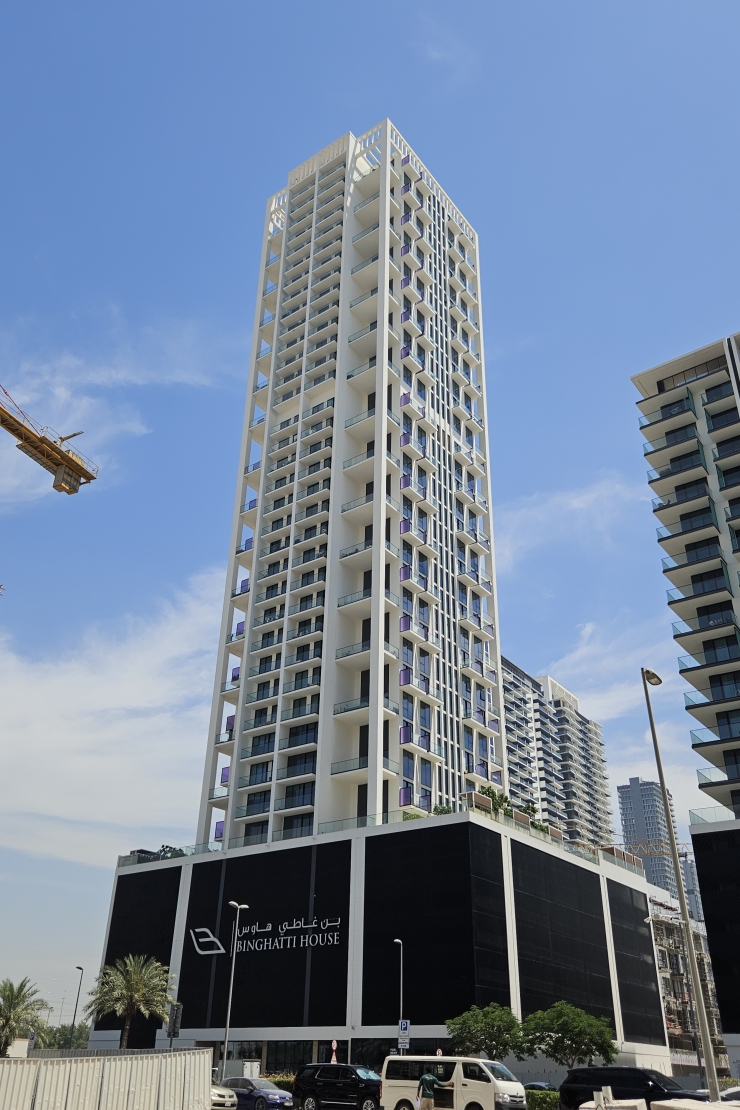
Binghatti House | 2BR Apartment | in JVC | HOT
Binghatti · JVC
1,605,000 AED
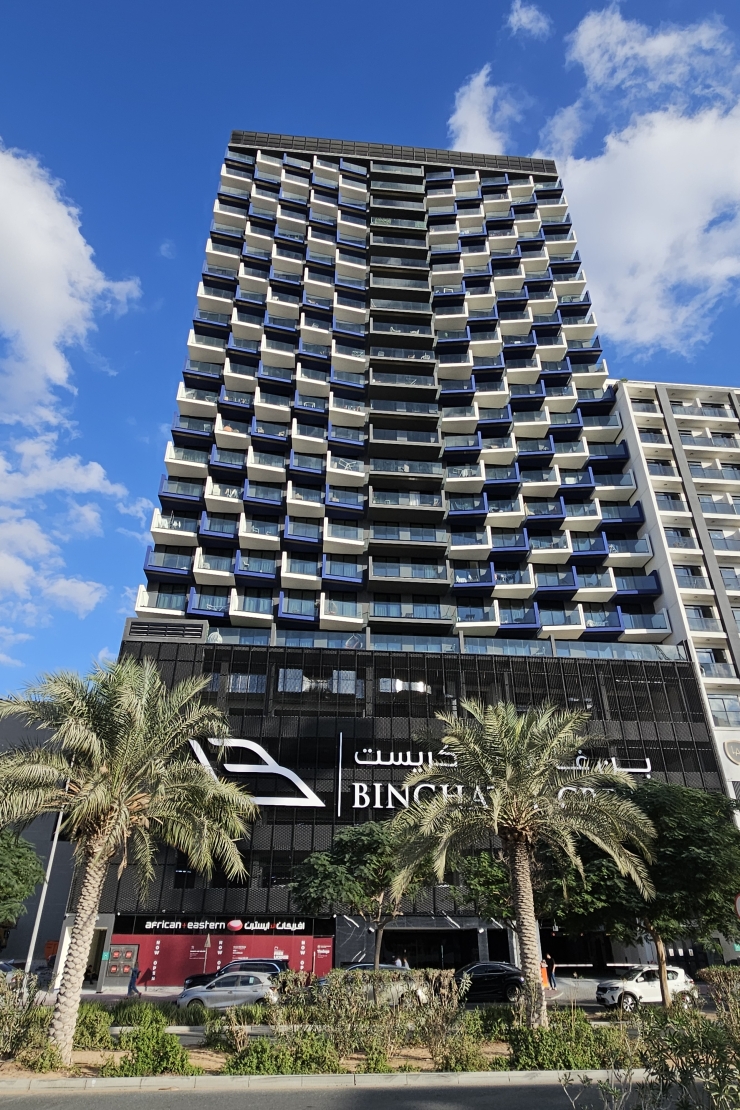
Binghatti Crest | 3BR Apartment | in JVC | HOT
Binghatti · JVC
1,800,000 AED (Furnished)
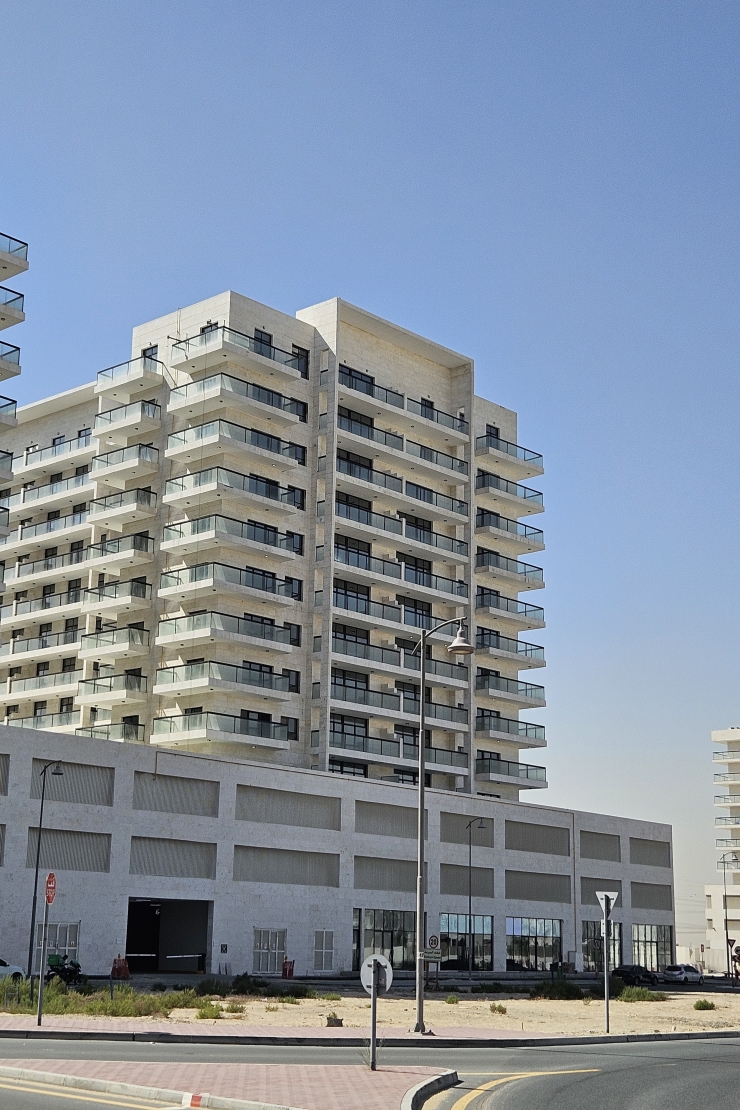
Equiti Home | 1BR Apartment | in Al Furjan | HOT
BNH Real Estate · Al Furjan
970,000 AED
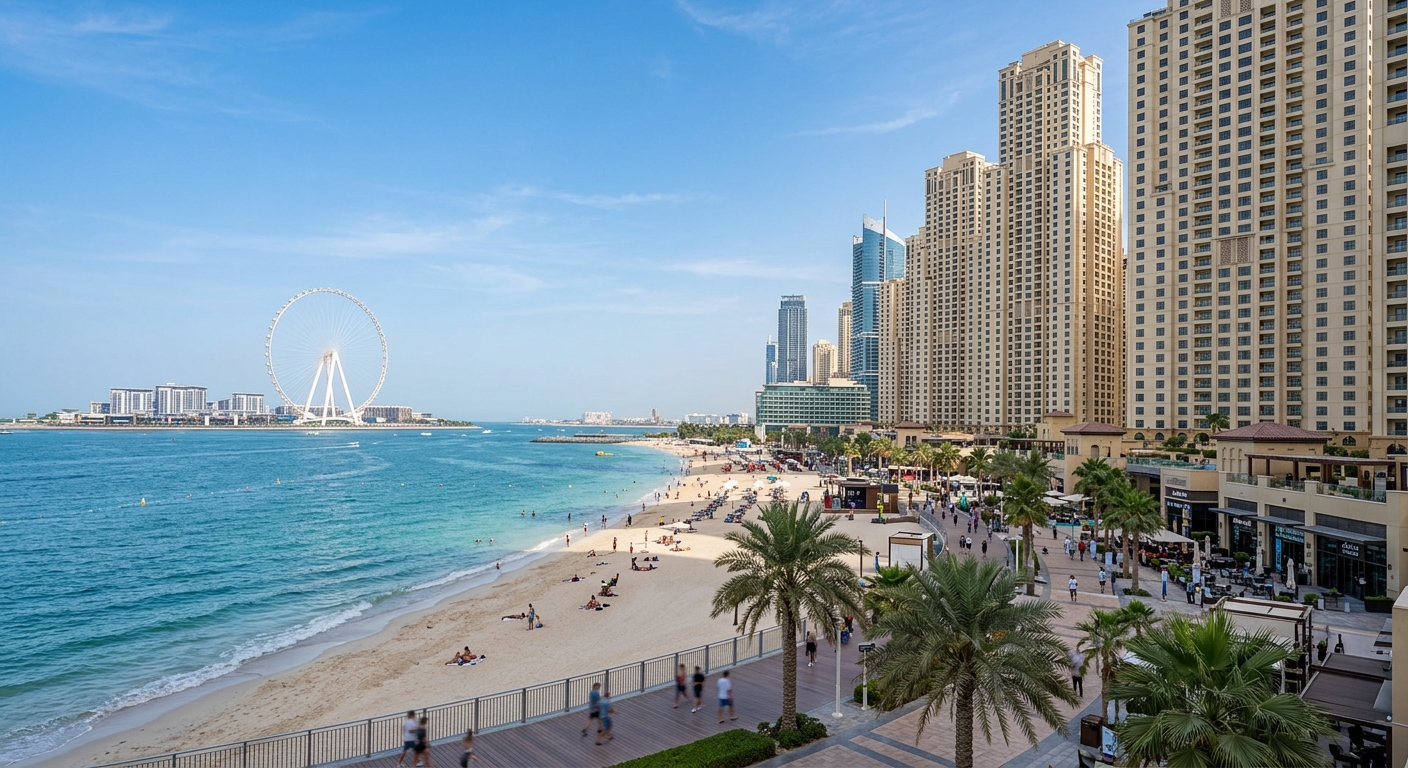
FIVE Luxe Hotel & Residence | 5BR + Maid Hotel Apartment | in JBR | HOT
FIVE Holdings · JBR
25,000,000 AED / 25,000,000 AED (Furnished)
Azizi Gardens | 1BR Apartment | in Meydan MBR | HOT
Azizi · Meydan MBR
930,000 AED
Match My Requirement
Tell us your budget and preferences — we'll match you with live Dubai & Abu Dhabi inventory within 24h.
Related Articles

How to Choose the Right Commercial Location for Your Business
A practical guide for business owners and investors on selecting the right commercial location: accessibility, target audience, competition, cost, infrastructure, and the common mistakes to avoid.

Buying Off the Plan in Dubai as a First-Time Buyer: The Guide Nobody Puts in the Brochure
First-time off-plan buyers are the segment most likely to overpay. Seven specific mistakes account for most of those losses. Name them upfront, avoid them upfront, and the process becomes navigable.

Off-Plan Investment Strategy in Dubai for 2026: Which Trade Fits Which Investor
Yield-first, capital appreciation, and end-user strategies each need different communities, developers and unit types. Choose one and execute the diligence. Do not run three strategies with one unit.