
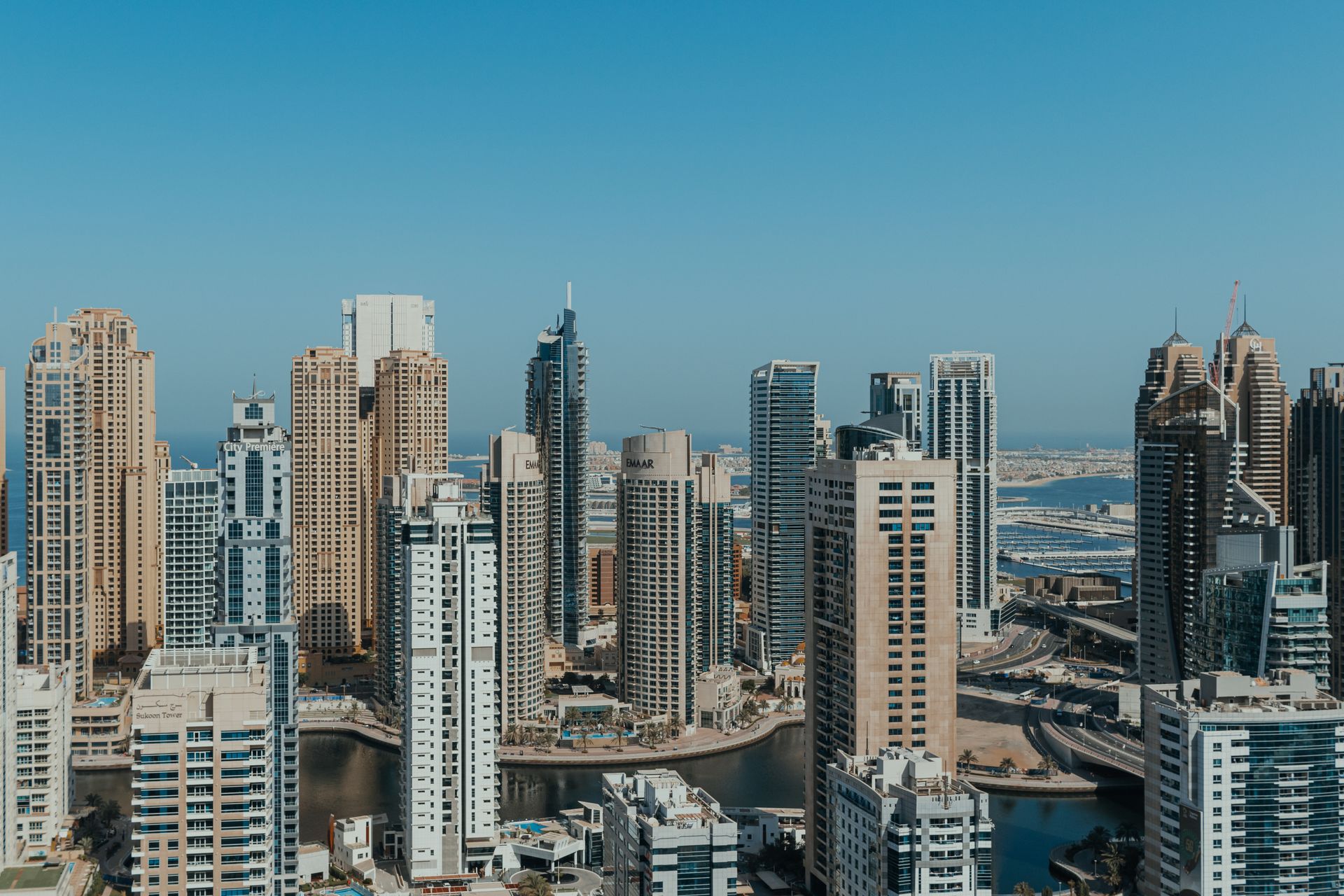
Iran-related tension can lift Dubai property demand, but it does not move all assets equally; the main drivers are sentiment, financing costs, and construction economics, while long-term pricing still depends on population inflows, rents, supply, and mortgage conditions. Investors are better protected in liquid prime or established mid-market communities, with conservative leverage, verified rents, and strong developer due diligence.
How Iran Conflict Risk Actually Moves Dubai Property Prices
Dubai doesn't just weather regional geopolitical shocks — it frequently profits from them, pulling capital away from less-regulated, less-liquid markets across the Middle East. But that headline story hides real variance. The "flight to quality" effect is not a rising tide that lifts every Dubai asset class equally, and investors who treat it that way get burned.
The discipline here is separating a 48-hour news spike from a structural shift. Population growth, business licensing numbers, tourism arrivals, infrastructure delivery, and mortgage conditions are what move Dubai property over a 12–36 month horizon. Iran-related tension can accelerate or pause flows within that framework — it rarely rewrites it.
What the Data Actually Shows Right Now
Dubai's market has been running hot against pre-2020 baselines across nearly every measurable dimension. DLD transaction records confirm prices and rents remain significantly elevated. RERA Rental Index data shows rent pressure has been a persistent theme, driven by sustained population inflows and constrained ready supply in high-demand communities. Transaction volumes, particularly in off-plan, have stayed high by any historical comparison.
None of that evaporates because of a regional escalation headline. What does happen: volumes pause briefly, buyers ask harder questions, and the market reprices around financing conditions and available inventory. Investors who track weekly DLD sales volumes and RERA index movements directly will always be ahead of those reading aggregated press coverage.
The Four Channels That Actually Transmit Risk
Capital flows and buyer sentiment move first and fastest. Heightened Iran-related tension can simultaneously push demand toward Dubai — buyers wanting a stable, regulated GCC base tend to accelerate decisions — and cause others to wait, expecting short-term softness. The net effect depends on which group dominates at a given moment. Prime, globally liquid locations absorb the uncertainty better: Dubai Marina, Downtown Dubai, Palm Jumeirah, Jumeirah Bay, and Business Bay retain resale depth when second-tier communities thin out. Scrutiny on developer counterparty risk also sharpens — escrow compliance and delivery track records get stress-tested in ways they aren't during calm periods.
Oil price, inflation, and interest rates form the second channel, and this one has a longer tail. Conflict risk that drives up energy prices and shipping insurance costs translates into higher construction materials and logistics costs. That supports replacement values for quality standing stock while squeezing developer margins on new launches. The more significant risk for leveraged buyers: UAE mortgage rates track US Federal Reserve policy through the AED peg, so any geopolitical event that extends a high-rate environment tightens affordability directly. Financing conditions, not the news cycle, determine whether demand actually softens.
Short-term rental and hospitality performance can become volatile if traveler sentiment shifts. Dubai's diversified demand base — business travel, leisure, events, transit — has historically kept occupancy resilient, but operators should stress-test models against 10–20% lower occupancy for one to two quarters, alongside higher insurance and servicing costs and conservative nightly rate assumptions. Investors running single-unit Airbnb strategies with no cash buffer are the most exposed here.
Logistics, port throughput, and trade routes matter primarily for off-plan buyers. Any perceived risk around the Strait of Hormuz raises shipping costs and extends delivery lead times. Cost inflation clauses in sales and purchase agreements, and developer contingency capacity, become critical details — not boilerplate.
Which Segments Win and Which Face Pressure
Prime waterfront and trophy assets — think Palm Jumeirah villas, Jumeirah Bay plots, ultra-prime Downtown penthouses — move first when safe-haven capital accelerates into Dubai. Developers such as Emaar, Nakheel, and Meraas dominate this inventory. Liquidity in these segments is genuine. The caveat: these same assets correlate with global wealth sentiment, so if risk-off spreads to equities and high-yield globally, trophy demand can soften temporarily before recovering.
Mid-market communities with real end-user infrastructure hold up steadier across the cycle. Areas with established schools, public transport access, and mature retail — Jumeirah Village Circle, Dubai Hills Estate, Arabian Ranches, Town Square — keep rental demand firm because households still need to house themselves regardless of geopolitical noise. Rents in these communities tend to be stickier than prices.
Off-plan remains active during uncertainty but requires harder selection discipline. Reputable developers with verified escrow accounts, realistic handover schedules, and clean delivery records on past projects warrant the premium. Anything priced on marketing excitement alone, benchmarked against nothing, is a trap. Compare the off-plan price against nearby ready-unit gross yields before committing — if the math doesn't work on a completed comparable, it won't work at handover either.
A Risk-Managed Playbook
- Prioritize liquidity first. Communities with deep resale demand and thick rental markets — confirmed through Bayut and Property Finder listing velocity — reduce exit risk when sentiment turns.
- Target yields that survive stress. Gross yield means little without netting out service charges and vacancy. Use the RERA Rental Index as a floor reference and verify against live comparable rents.
- Keep leverage conservative. Fixed or discounted mortgage rate periods matter more than headline LTV ratios. Build in buffers for a 100–150bps rate move and at least one quarter of vacancy.
- Prefer completed or near-completion stock during uncertain periods. Rental cash flow eliminates the speculation layer that makes off-plan painful in a downturn.
- Verify developer fundamentals independently. Escrow account status, physical construction progress, and the developer's past handover record are non-negotiable checkpoints — not optional due diligence.
- Diversify your tenant profile. Units that work for both young professionals and small families cut downside exposure versus single-use product like studio-only blocks.
- Watch for sentiment dips and negotiate. Post-escalation headline periods often produce motivated sellers and negotiating room that disappears once the news cycle moves on.
Metrics Worth Tracking Every Week
DLD transaction data — volume, total value, and the off-plan versus ready split — gives the clearest real-time read on actual market conviction. RERA Rental Index changes and renewal uplift caps tell you where rental pricing power is building or topping out. New supply pipeline and community-level handover schedules from JLL, CBRE, Knight Frank, and Cavendish Maxwell quarterly reports indicate where oversupply risk is real. Mortgage rate offers and bank credit appetite signal whether the demand engine has fuel. Service charge trends determine whether a gross yield is worth anything net.
Iran conflict risk moves through Dubai property via sentiment, financing costs, and construction economics — not by erasing the underlying demand that makes this market function. Historically, Dubai has gained capital during regional uncertainty. The investors who convert that into actual returns are the ones with liquid assets, verified rental fundamentals, and enough cash buffer to act when others hesitate.
This article is for informational purposes only and does not constitute investment, legal, or financial advice. Confirm all transaction and rental benchmarks directly via DLD and RERA sources. Seek independent legal and financial counsel for cross-border compliance, sanctions screening, and jurisdiction-specific tax considerations before transacting.
Sources & Official References
- governmentDubai Land Department (DLD)
- governmentUAE Government Portal — Property & Housing
Frequently Asked Questions
Related Listings

Exclusive Freehold Villa Plot in Dubai Hills Estate | Ready-to-Build with Approved G+1 Design
Emaar (Dubai Hills Estate) · Dubai Hills Estate, Dubai
AED 18,362,500
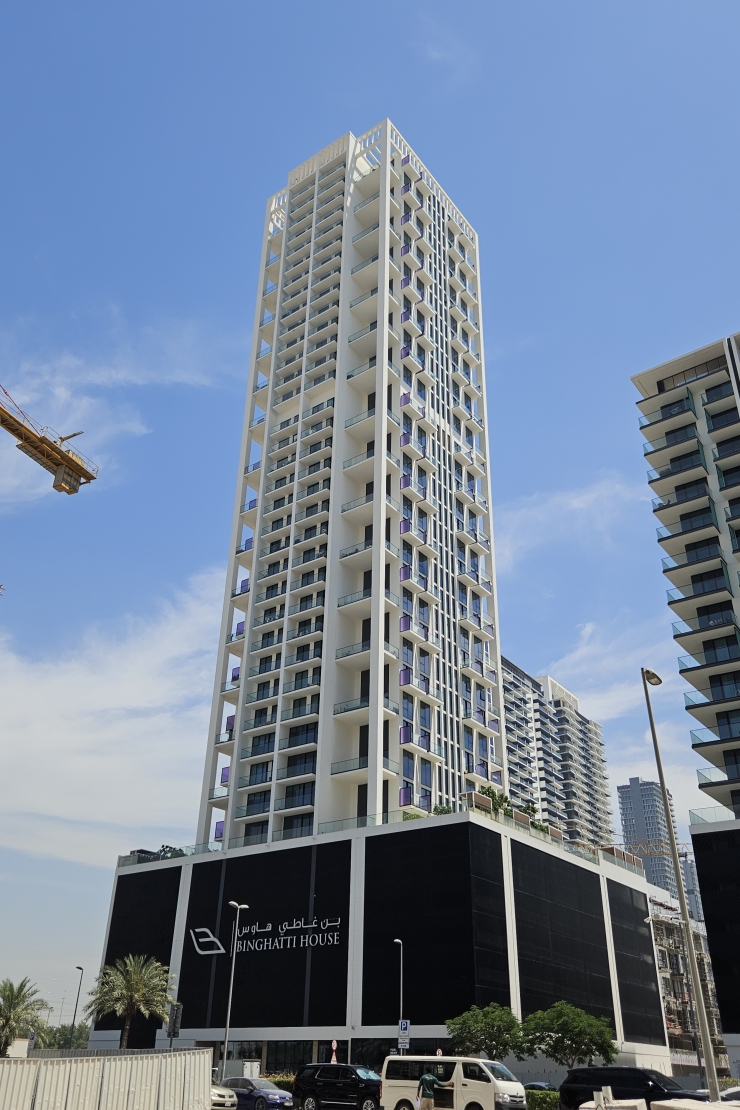
Binghatti House | 2BR Apartment | in JVC | HOT
Binghatti · JVC
1,605,000 AED
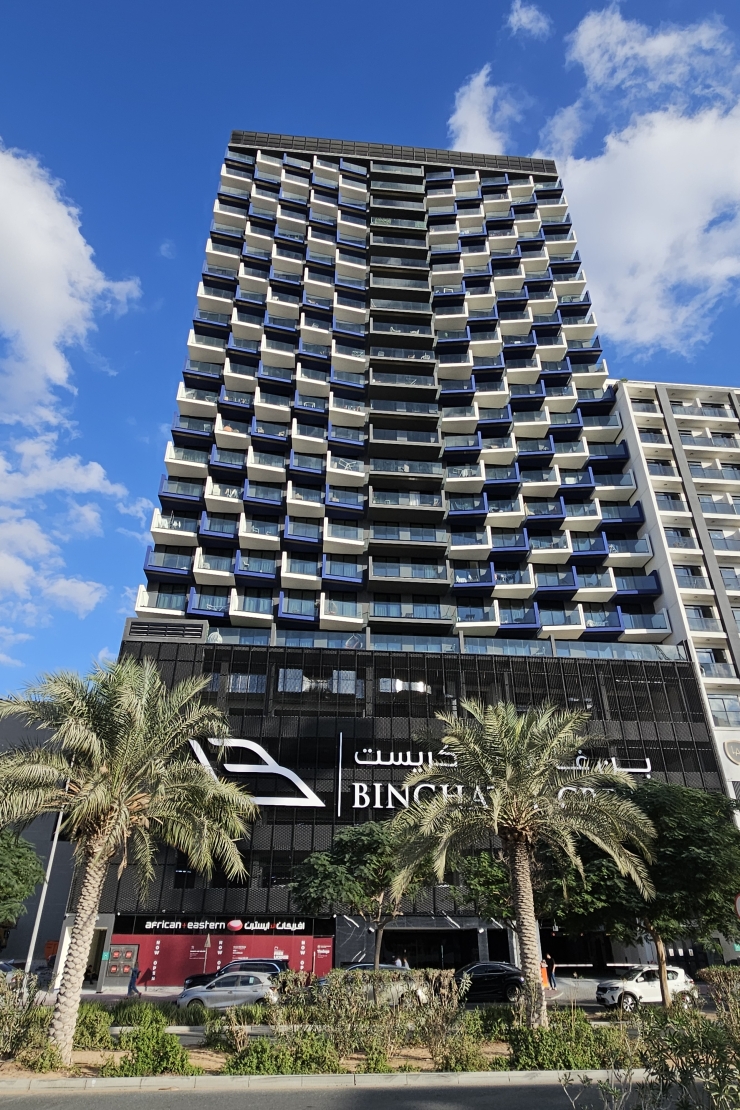
Binghatti Crest | 3BR Apartment | in JVC | HOT
Binghatti · JVC
1,800,000 AED (Furnished)
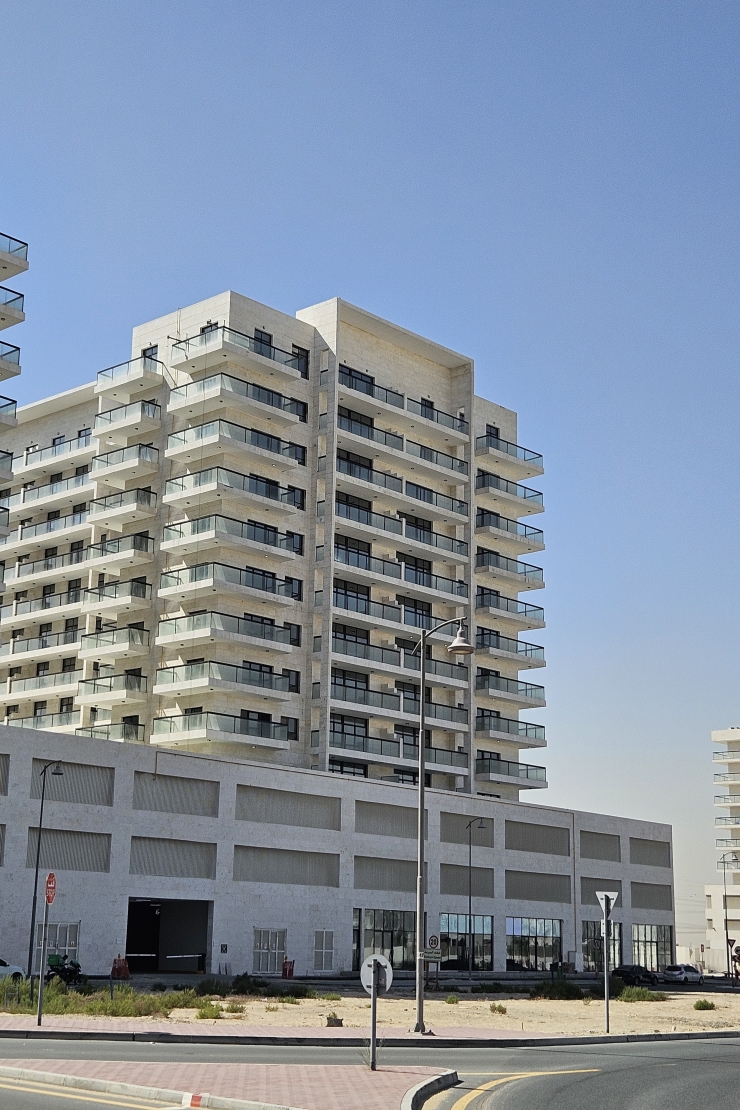
Equiti Home | 1BR Apartment | in Al Furjan | HOT
BNH Real Estate · Al Furjan
970,000 AED
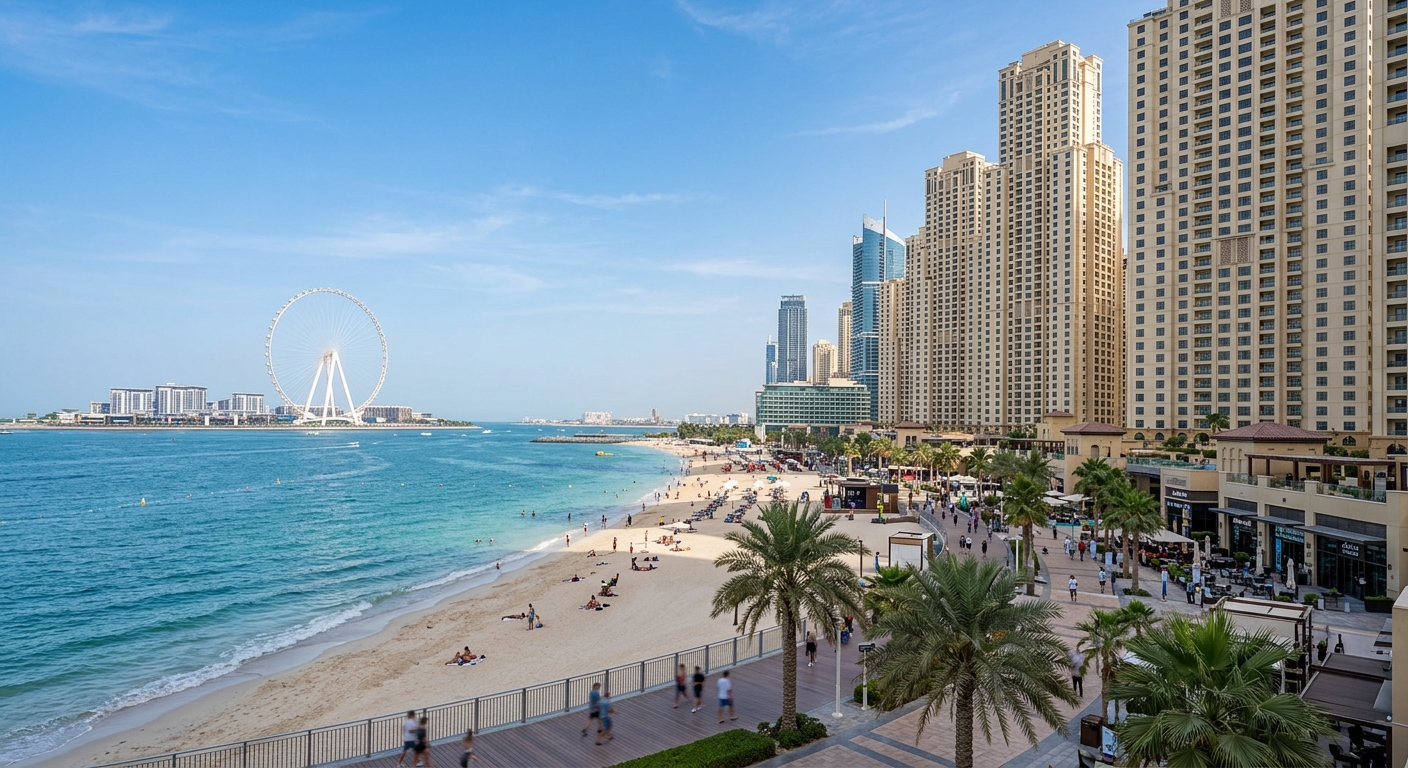
FIVE Luxe Hotel & Residence | 5BR + Maid Hotel Apartment | in JBR | HOT
FIVE Holdings · JBR
25,000,000 AED / 25,000,000 AED (Furnished)
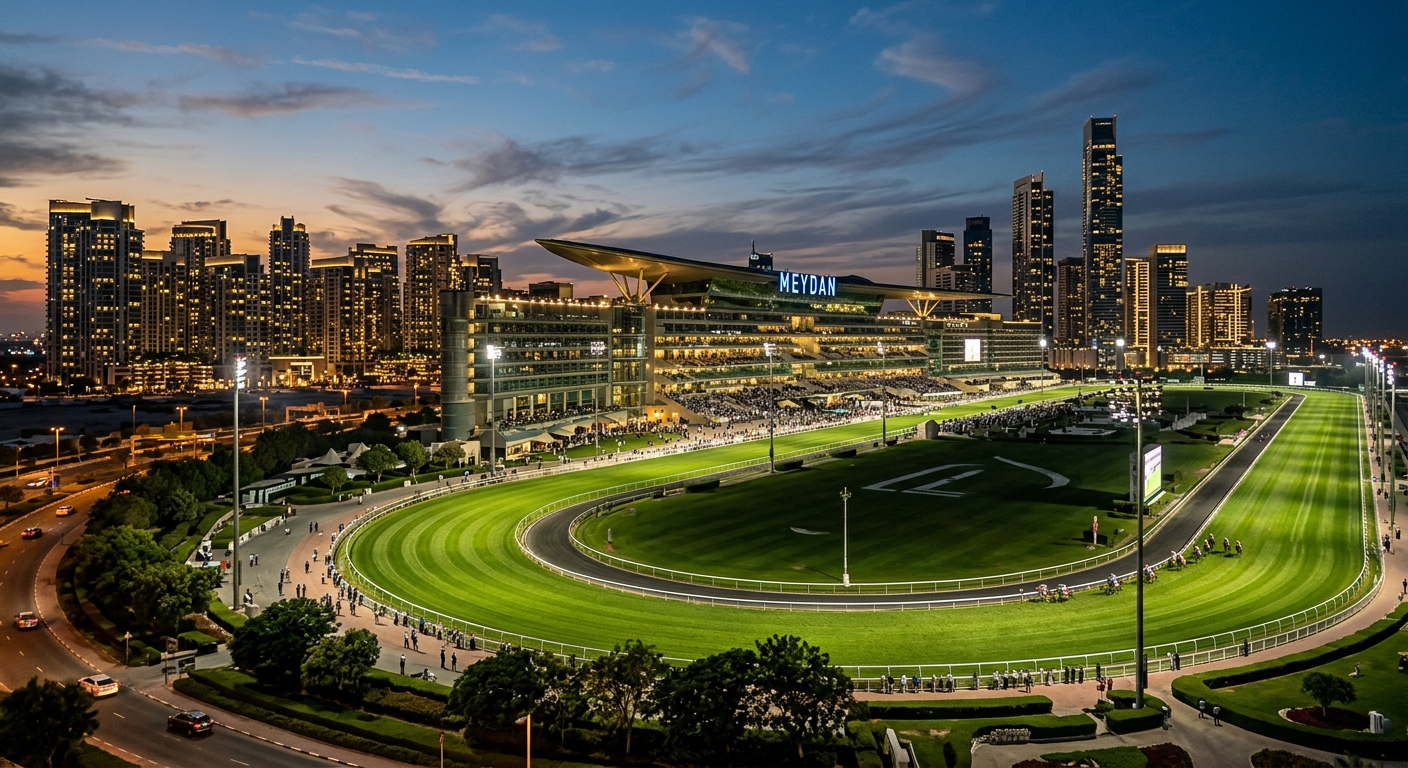
Azizi Gardens | 1BR Apartment | in Meydan MBR | HOT
Azizi · Meydan MBR
930,000 AED
Match My Requirement
Tell us your budget and preferences — we'll match you with live Dubai & Abu Dhabi inventory within 24h.
Related Articles

How to Choose the Right Commercial Location for Your Business
A practical guide for business owners and investors on selecting the right commercial location: accessibility, target audience, competition, cost, infrastructure, and the common mistakes to avoid.

Buying Off the Plan in Dubai as a First-Time Buyer: The Guide Nobody Puts in the Brochure
First-time off-plan buyers are the segment most likely to overpay. Seven specific mistakes account for most of those losses. Name them upfront, avoid them upfront, and the process becomes navigable.

Off-Plan Investment Strategy in Dubai for 2026: Which Trade Fits Which Investor
Yield-first, capital appreciation, and end-user strategies each need different communities, developers and unit types. Choose one and execute the diligence. Do not run three strategies with one unit.