

The key test for an off-plan investment in Dubai is whether launch pricing is materially below comparable ready units nearby and still works after fees, timing risk, and exit assumptions. If pricing is at parity with ready market, delays are weakly managed, or escrow is unverified, it is not a strong investment case.
Investment Property Off-The-Plan: 6 Questions to Ask Before You Sign
Off-plan brochures are engineered to make you sign. They show handover-day photographs, five-year appreciation charts, and payment plans that fit almost any budget. What they do not show is the specific test that separates a launch that will actually deliver returns from a launch that will only deliver a completed unit at a fair-value price. Six questions do that work.
Question 1: What Are Comparable Ready Units Selling for Today?
The single most important number in any off-plan decision. Not the developer's projection. The current resale price of a completed unit with similar specification within 500 metres of the launch site.
If launch pricing sits materially below that number, the discount is real and the appreciation thesis is intact. If launch pricing matches or exceeds it, you are paying full price for something that will not be completed for two years. That is not an investment. That is a purchase with a wait.
Question 2: What Is the Actual Handover Track Record for This Developer in This Community?
Marketing dates and delivery dates diverge. The question is not "when does the developer say it will be delivered?" but "when did the previous phase of this community actually hand over, and what was the gap versus the original marketing date?"
Six to twelve months of slippage is normal in Dubai. Twenty-four months of slippage on a serial-delayer developer is a red flag that should end the conversation.
Question 3: What Is the Payment Plan, and What Is the Total Unlevered Cost?
Aggressive payment plans mask real cost. A 20/80 plan looks lighter than a 40/60 plan, but the true comparison is total cost per square foot including registration fees, DLD fees on the higher launch price, and any financing costs during construction.
Model the total. Not the monthly.
Question 4: What Is Your Exit Assumption, and Is It Realistic?
Every off-plan deal has an implicit exit assumption. Flip at handover. Hold and rent for three years then sell. Own for twenty years. The right question is: does the current market pricing at your exit point actually support that assumption?
For flippers, that means looking at current resale spreads on the previous phase to see whether flippers are actually clearing at a profit. For long-hold rental investors, it means comparing current rent per square foot against your all-in cost per square foot to arrive at a realistic gross yield estimate.
Question 5: What Happens if You Cannot Complete?
Every off-plan buyer eventually asks this question — usually too late. If personal circumstances change and you cannot fund the final 40 or 60% at handover, what are your options?
RERA rules give some structural protection. Developers can retain a defined portion of already-paid instalments and cancel the contract, but the exact split depends on how far into construction the project sits at cancellation. Know the number before you sign, not after.
The realistic assignment market — reselling your off-plan contract to another buyer before handover — is another exit route, but discounts of 5 to 15% against your paid-in cost are typical, and some developers restrict assignments.
Question 6: What Does the DLD Portal Say About Escrow?
The Dubai Land Department maintains a public developer portal that shows escrow account status for each registered project. Every dirham of your instalments should route into that escrow account, released to the developer against construction progress verified by RERA.
Before you sign, verify the escrow account is active for the specific project number, not just the developer's parent company. This is a two-minute check. It has saved buyers material amounts of money.
What "Yes" Looks Like
Six clean answers.
Comparable ready units are selling for 15 to 25% above the launch price. This specific community has delivered within 12 months of the original marketing date on the previous phase. The total cost per square foot including fees is credibly below current ready market at exit. The exit assumption is supported by observed resale spreads on the previous phase. The buyer has a realistic Plan B if circumstances change. Escrow is active and verified on the DLD portal.
If any answer is missing, ask again before you sign.
FAQ
Is off-plan property in Dubai still a good investment in 2026? Yes, in specific communities and at specific price points. No, if launch pricing sits at parity with ready market comps.
How much deposit do I need to buy off-plan in Dubai? Typically 10 to 20% at signing, followed by staged instalments during construction and a final tranche at handover. Total pre-handover cash requirement is often 40 to 60% of the price.
Can I get a mortgage on an off-plan property? Yes, most UAE banks finance off-plan from approved developers, up to about 50% loan-to-value for non-residents pre-handover, rising post-handover.
What is the DLD Oqood number? Oqood is the pre-registration certificate for off-plan units issued by the Dubai Land Department. It confirms your unit is officially recorded against the project.
What if the developer delays or cancels? RERA regulations protect the escrow funds and define the split if a project is cancelled. Delays without cancellation are more common and typically absorbed by the buyer through opportunity cost.
Sources & Official References
- governmentDubai Land Department (DLD)
- governmentUAE Government Portal — Property & Housing
Frequently Asked Questions
Related Listings
Skyros Samana | Studio Apartment | in Arjan – Dubailand | HOT
Samana · Arjan – Dubailand
775,000 AED
Binghatti Wraith, Al Jaddaf — Quiet Luxury Apartments from AED 799,999 | Prime Location & Investment ROI
Binghatti Developers · Al Jaddaf, Dubai
AED 799,999
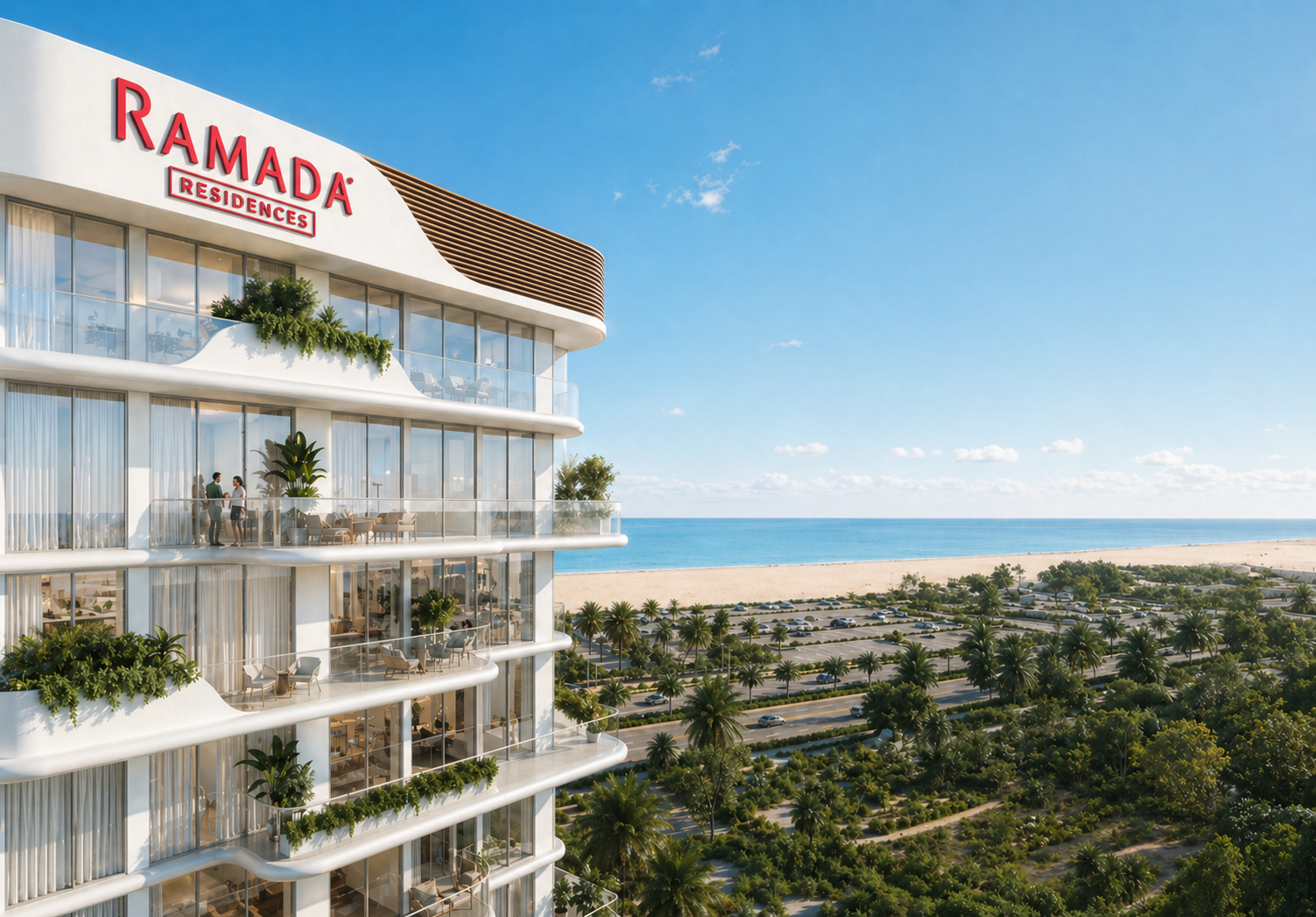
Ramada Residences by Wyndham | 1BR Apartment | Dubai Islands
Grovy Developers · Dubai Islands
AED 2,560,000
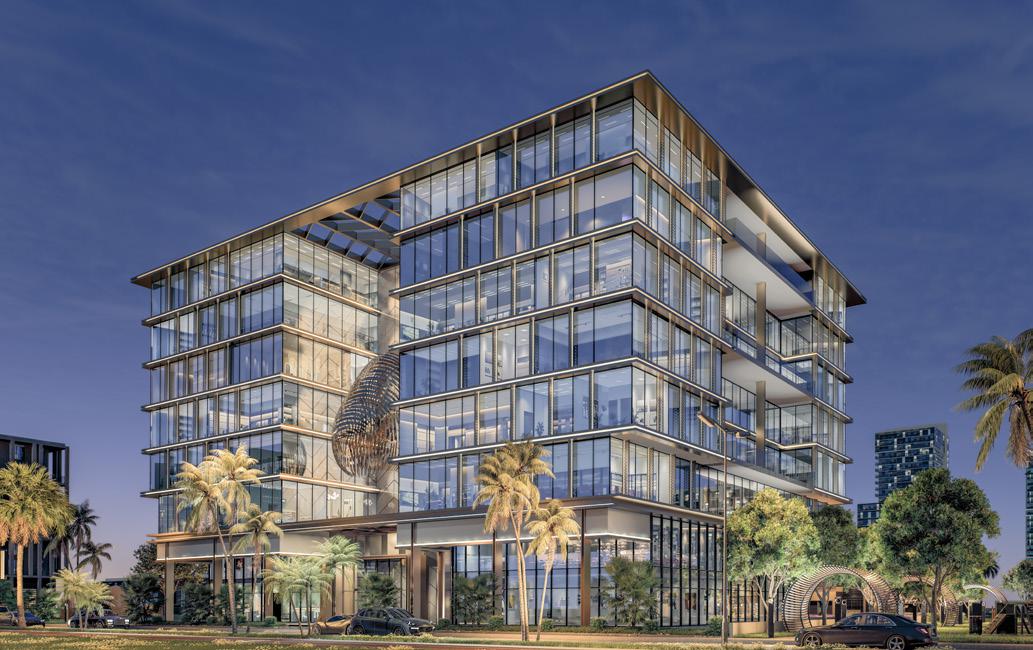
HQ by Arista | Office 305 | Al Furjan
Arista Properties · Al Furjan
AED 5,894,700
HQ by Arista | Office Half Floor | Al Furjan
Arista Properties · Al Furjan
AED 19,751,550
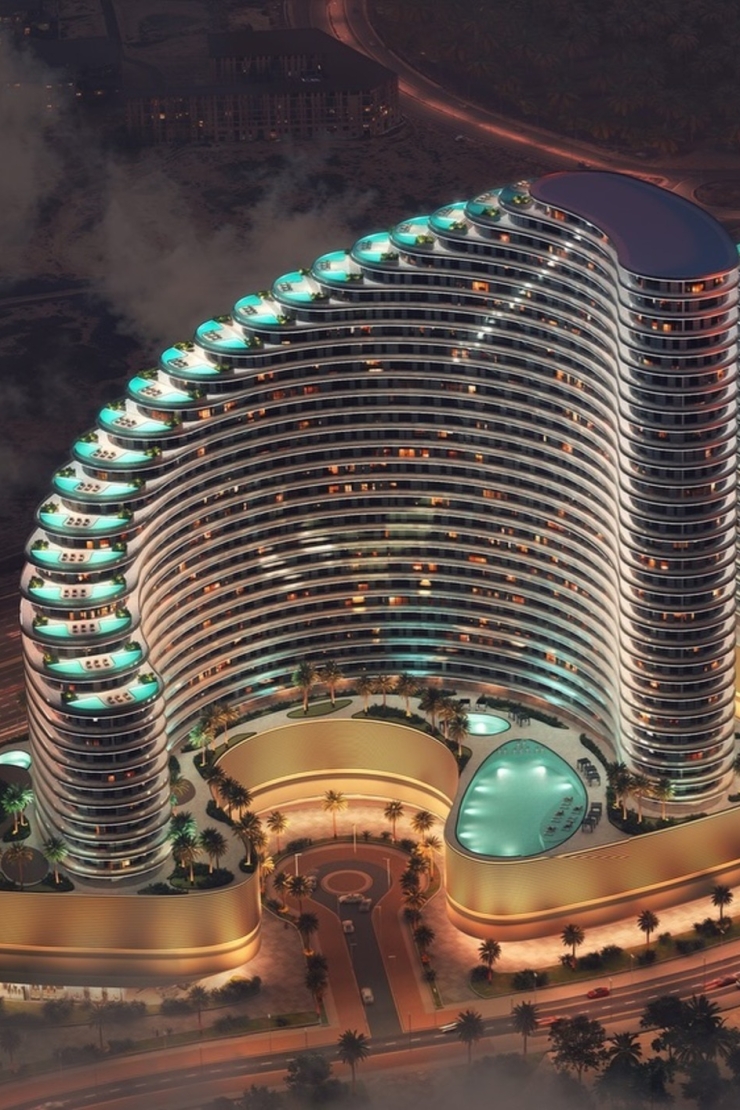
Binghatti Skyflame, Majan — Smart Luxury Living with Off-Plan Investment Upside
Binghatti · Majan, Dubai
AED Price on Request
Match My Requirement
Tell us your budget and preferences — we'll match you with live Dubai & Abu Dhabi inventory within 24h.
Related Articles
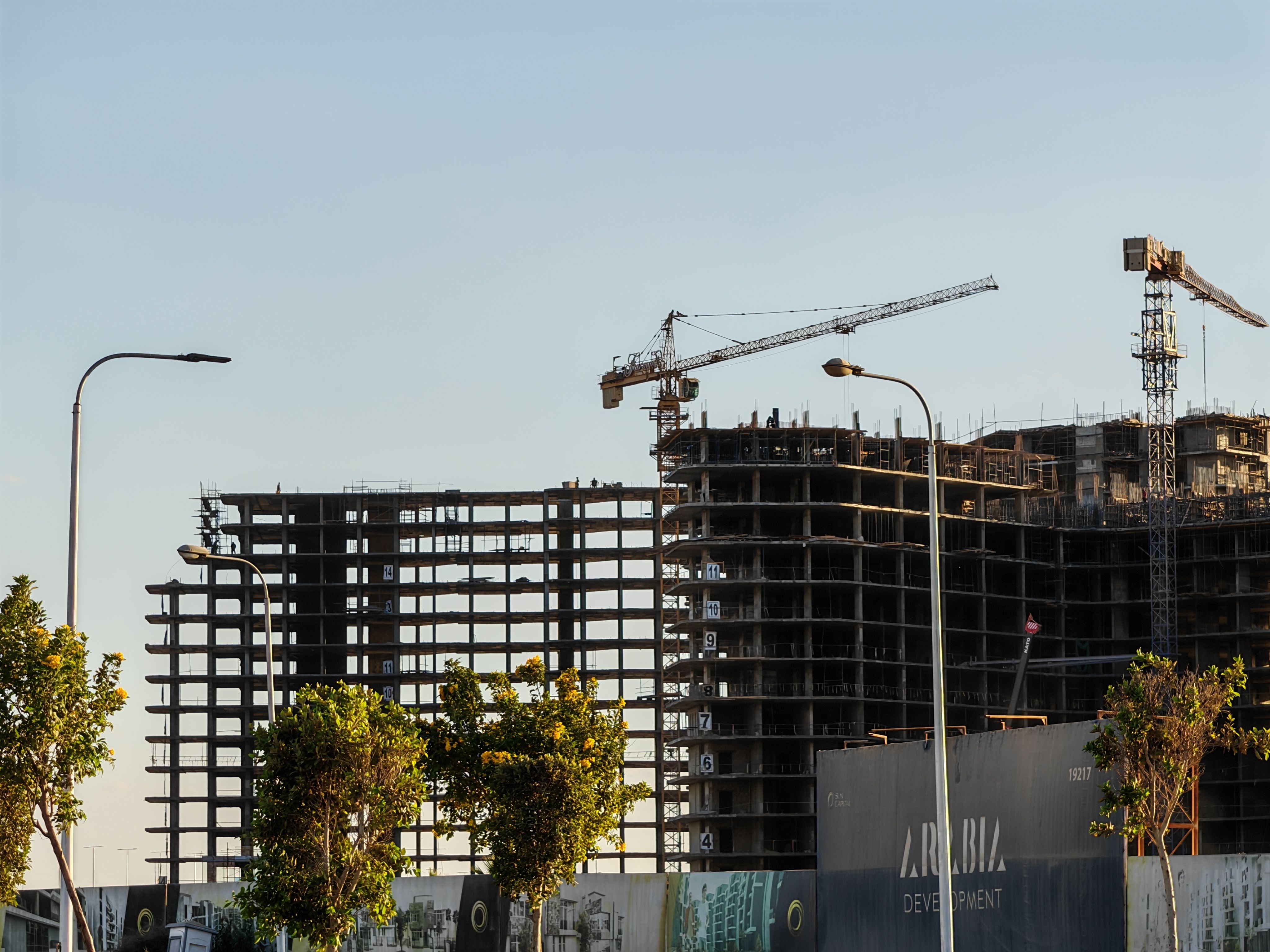
How to Track and Evaluate the Latest Off-Plan Projects in Dubai (Without Getting Sold Marketing Slop)
Every quarter, Dubai releases another wave of off-plan launches. Most are mediocre. A few are genuinely priced. Here is the six-step process that lets you scan the flood, filter to the shortlist, and commit only where the numbers actually work.

How to Choose the Right Commercial Location for Your Business
A practical guide for business owners and investors on selecting the right commercial location: accessibility, target audience, competition, cost, infrastructure, and the common mistakes to avoid.

Off-Plan Investment Strategy in Dubai for 2026: Which Trade Fits Which Investor
Yield-first, capital appreciation, and end-user strategies each need different communities, developers and unit types. Choose one and execute the diligence. Do not run three strategies with one unit.