
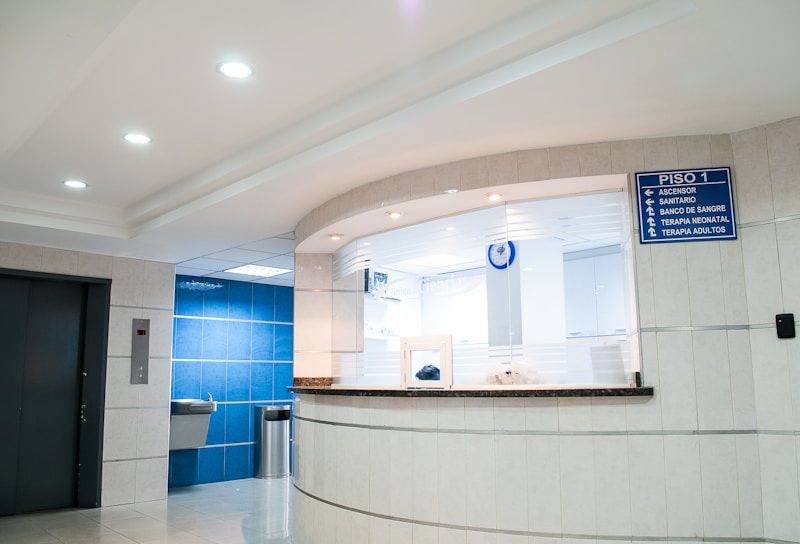
Healthcare in Dubai requires mandatory health insurance for every resident, and coverage must be arranged before or immediately upon receiving a residency visa. Expats should secure insurance first, register with a hospital using their Emirates ID and insurance card, and know key hospitals, likely costs, and emergency numbers before arrival.
Healthcare in Dubai: What Every Expat Must Know Before Arriving
Dubai's healthcare system ranks among the top 20 globally by World Health Organization benchmarks, and the emirate enforces mandatory health insurance for every resident — no exceptions, no grace period. If you are relocating here, getting your coverage sorted is not optional paperwork; it is a legal requirement that must be in place before or immediately upon receiving your residency visa.
The Hospitals Worth Knowing
Not all hospitals in Dubai are equal. Knowing where to go — and why — can make a real difference when something goes wrong.
American Hospital Dubai in Oud Metha is the benchmark many long-term expats use. It holds Joint Commission International (JCI) accreditation, accepts all major insurers, and runs a multi-specialty operation that covers everything from oncology to orthopedics. JCI accreditation matters: it means the hospital meets the same patient-safety standards applied to leading US institutions.
Mediclinic City Hospital sits inside Dubai Healthcare City (DHCC), a purpose-built free zone dedicated entirely to medical and wellness services. It handles multi-specialty cases and has a full emergency department — useful to know if you live or work on that side of the city.
Cleveland Clinic Abu Dhabi operates a presence linked to Dubai Healthcare City as well, carrying the brand weight of one of the top-rated hospital systems in the United States. Most major insurers are accepted there.
Saudi German Hospital covers multiple locations across the emirate and positions itself at the mid-range cost tier — a practical option if your insurance plan carries a co-pay structure and you want to manage out-of-pocket spend.
Aster Hospital, with facilities in Al Qusais and Mankhool, serves the more affordable end of the market without compromising basic care quality. For routine consultations and minor procedures, it is a sensible choice for residents on standard employer-provided plans.
Health Insurance: Costs, Providers, and What the Law Says
Health insurance is mandatory under Dubai Law No. 11 of 2013, enforced by the Dubai Health Authority (DHA). Employers are legally obligated to provide coverage for their employees. Dependents — spouses and children — can be added to employee plans, though the cost structure varies by employer policy.
If you are self-employed, a freelancer, or a dependent spouse managing your own visa, you must purchase private insurance independently.
Premium benchmarks to plan around:
| Plan Type | Annual Premium | What It Covers |
|---|---|---|
| Basic | AED 3,000 – 5,000 | Essential and emergency care |
| Standard | AED 8,000 – 12,000 | Most treatments and specialist visits |
| Premium | AED 15,000 – 25,000 | Full coverage, including international |
The five providers dominating the Dubai market are Daman (government-backed, widest public-hospital network), Dubai Insurance, AXA Gulf (strong for those needing international coverage outside the UAE), Cigna (favored for premium corporate plans), and MetLife (competitive on family plan structures).
Two things most basic plans quietly exclude: dental and optical. Confirm upfront whether your plan includes them or budget for separate riders. Dental care at a mid-tier clinic in Dubai typically runs AED 500 – 1,500 for a standard consultation and cleaning without coverage.
Getting Registered: Four Steps
Getting set up is straightforward if you do it in order.
- Secure insurance first — through your employer on day one of your contract, or by purchasing privately if you are self-sponsored.
- Register at your chosen hospital — walk in with your Emirates ID, passport copy, and insurance card to create a patient file.
- Apply for a DHA card — optional, but it gives you access to government-run public facilities, which can be faster for routine services and significantly cheaper for certain treatments.
- Register with a GP — pick a primary care physician at a clinic near your home. Having an established relationship speeds up referrals to specialists.
Emergency Numbers and Practical Habits
The ambulance line in Dubai is 998. Police is 999, fire is 997. Save them before you need them.
Carry your insurance card at all times — hospitals will ask for it at registration, and in an emergency, it speeds up admission. Most major hospital groups (Mediclinic, American Hospital, Aster) have apps that let you book appointments, access lab results, and manage prescriptions without calling a reception line. Use them.
Pharmacy delivery is widely available across Dubai, with chains like Aster Pharmacy and Life Pharmacy offering same-day service to most residential areas. For repeat prescriptions, this saves a significant amount of time.
This guide is for general informational purposes only. Insurance requirements, plan costs, and hospital networks change. Verify current DHA regulations and confirm coverage details directly with your insurer and employer before making healthcare decisions.
Sources & Official References
- governmentDubai Land Department (DLD)
Frequently Asked Questions
Related Listings

Exclusive Freehold Villa Plot in Dubai Hills Estate | Ready-to-Build with Approved G+1 Design
Emaar (Dubai Hills Estate) · Dubai Hills Estate, Dubai
AED 18,362,500
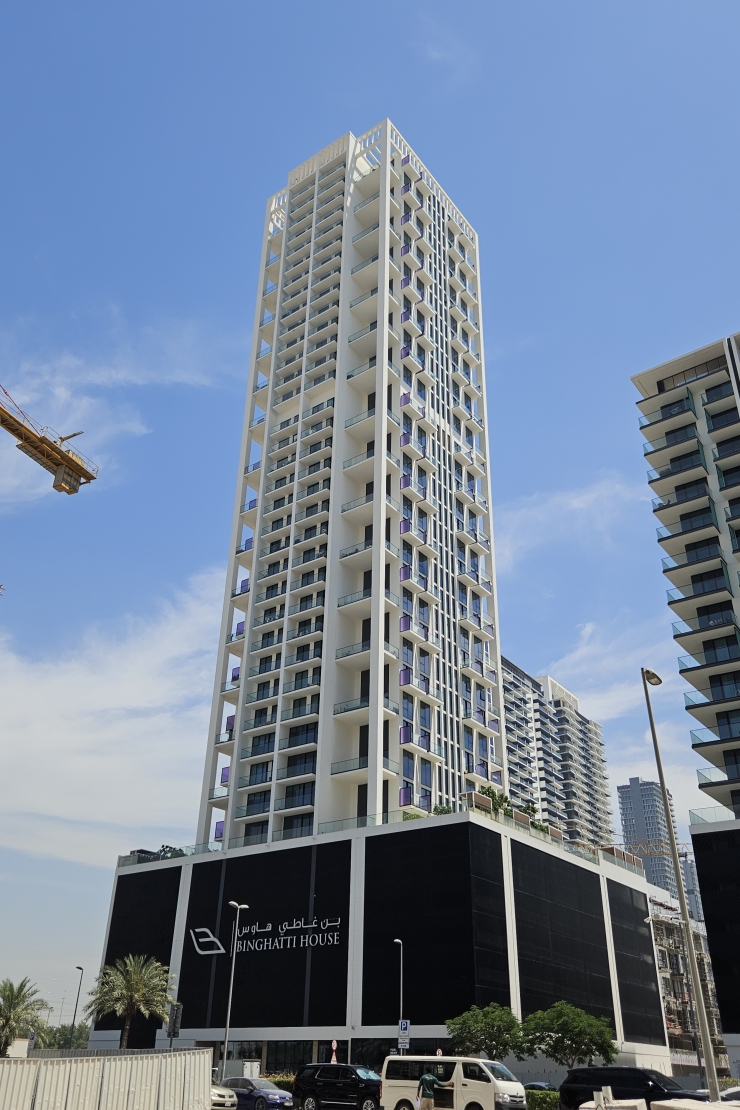
Binghatti House | 2BR Apartment | in JVC | HOT
Binghatti · JVC
1,605,000 AED
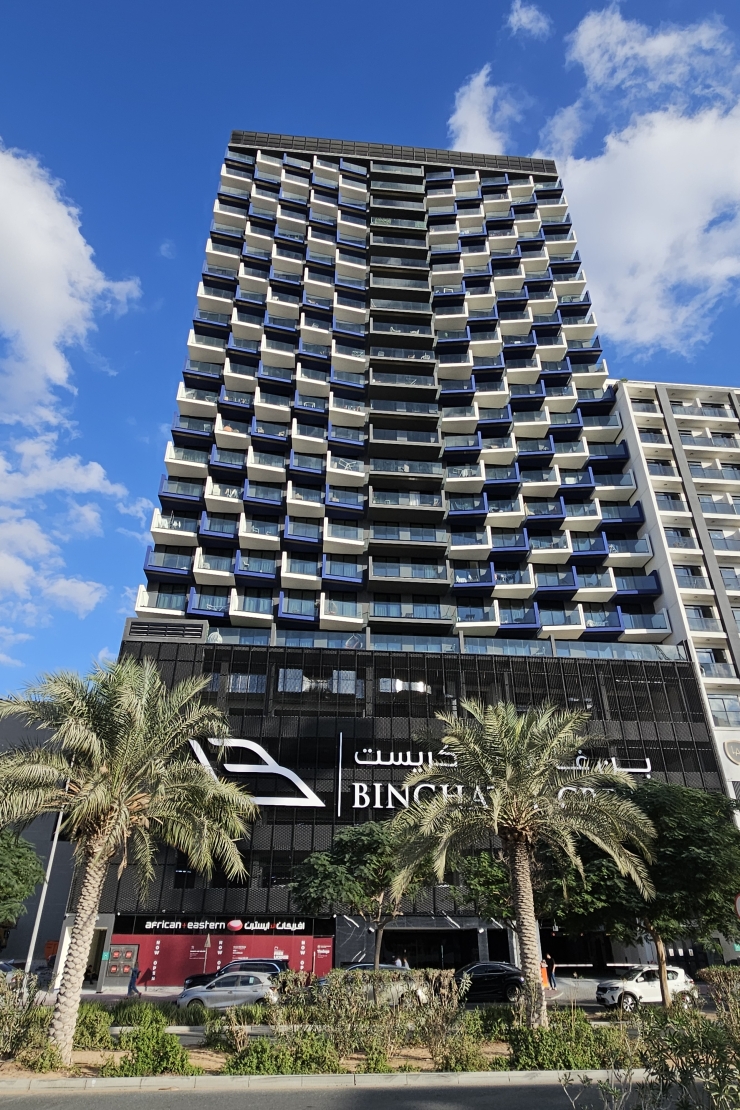
Binghatti Crest | 3BR Apartment | in JVC | HOT
Binghatti · JVC
1,800,000 AED (Furnished)
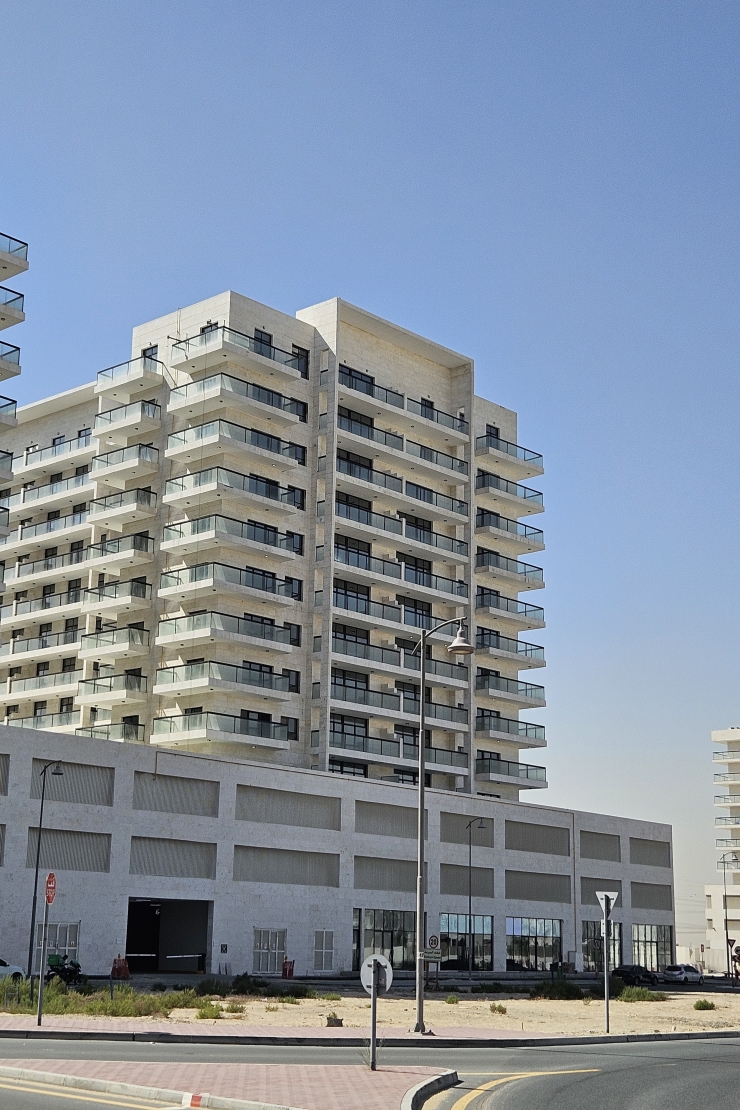
Equiti Home | 1BR Apartment | in Al Furjan | HOT
BNH Real Estate · Al Furjan
970,000 AED
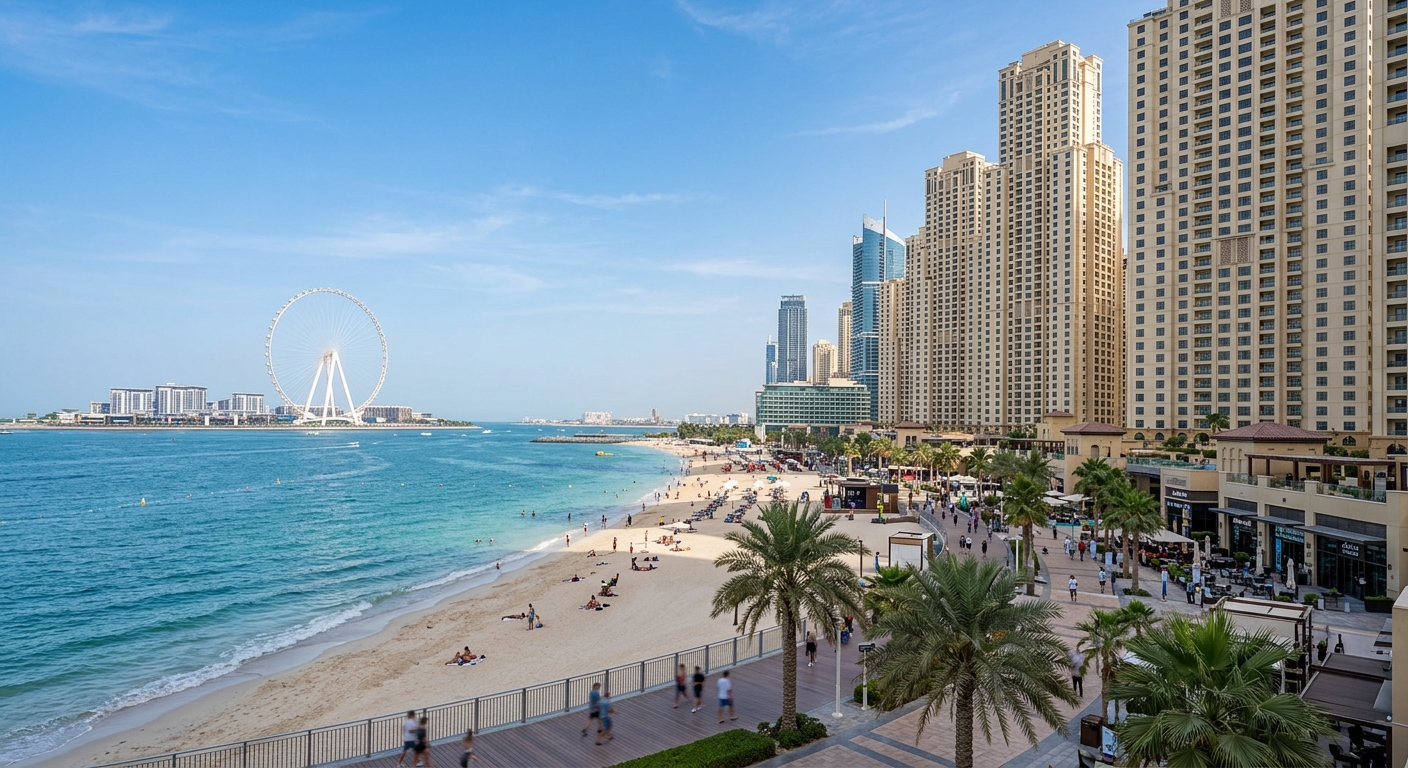
FIVE Luxe Hotel & Residence | 5BR + Maid Hotel Apartment | in JBR | HOT
FIVE Holdings · JBR
25,000,000 AED / 25,000,000 AED (Furnished)
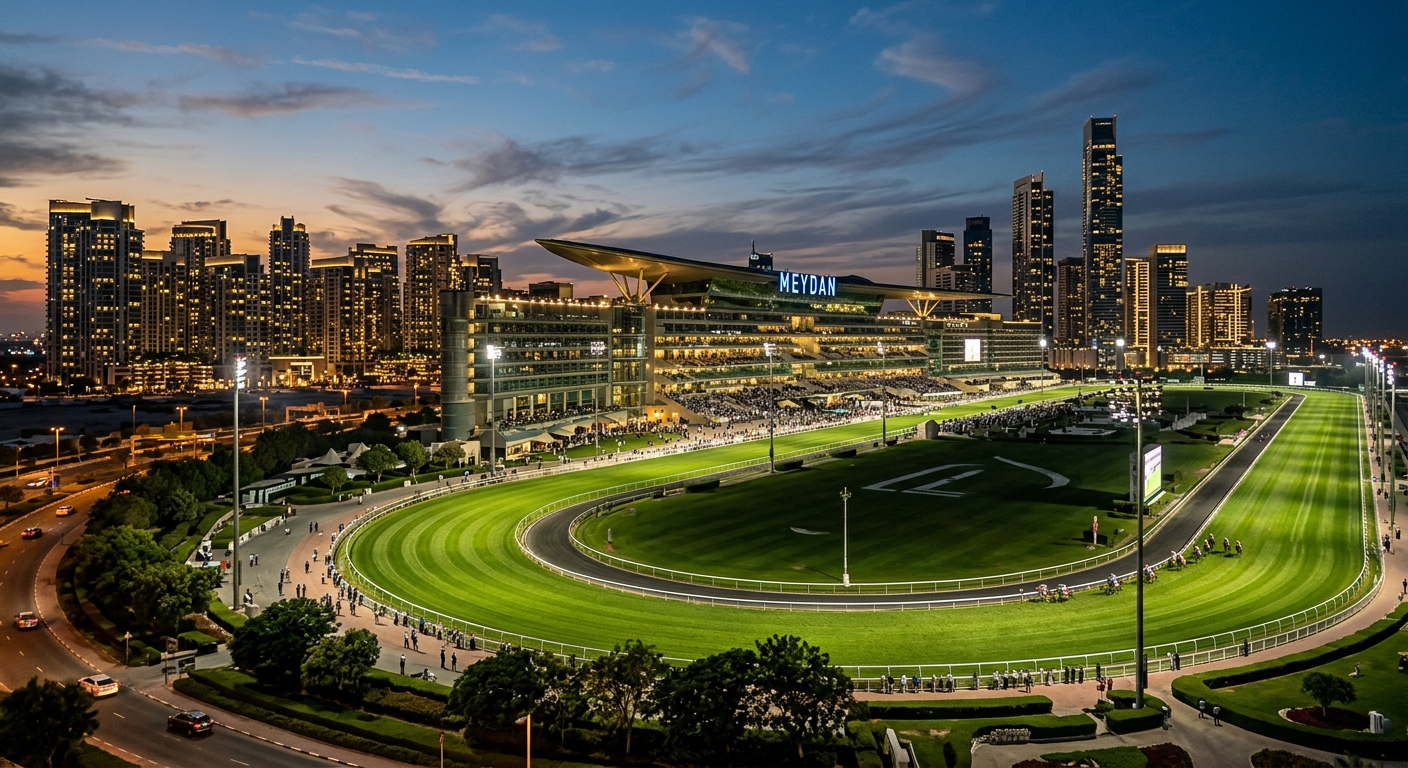
Azizi Gardens | 1BR Apartment | in Meydan MBR | HOT
Azizi · Meydan MBR
930,000 AED
Match My Requirement
Tell us your budget and preferences — we'll match you with live Dubai & Abu Dhabi inventory within 24h.