

Yes, Dubai property prices do drop, and the data shows three clear correction phases: 2008–2009, 2014–2019, and the 2020 bottom. The key takeaway is that Dubai is cyclical, not permanently one-way up, so investors should judge timing by transaction volume, asking-vs-closing price gaps, and days on market before buying.
"Dubai prices don't fall" is popular among new buyers and collapses at the first look at the market's history. Dubai has been through several boom-and-bust cycles, and each one left visible numbers.
Cycle 2008–2009 — the biggest in the market's history. According to HSBC, Reuters and The Guardian, prices dropped 40% to over 50% from the peak. HSBC alone reported a 23% decline in Q4 2008. The Guardian reported a 40% drop in Q1 2009. Some areas fell deeper. Buyers who bought at the 2008 peak waited years to recover.
Cycle 2014–2019 — a long, quiet correction. Prices fell 20% to 27% from the mid-2014 peak, depending on the report window. Knight Frank recorded 6.2% in H2 2014 alone. Gulf Business reported 27.1% down by Q1 2019. It wasn't a crash — it was a slow five-year bleed.
2020 — the bottom of the long correction. Not a separate crisis, but the continuation of the 2014 slide. Some analyses put the total 2014-to-2020 decline at 25%–30%. COVID accelerated the bottom, then the current strong upswing began in 2021.
The difference between Dubai and other markets isn't that prices never drop — it's that Dubai recovers faster. Peak buyers waited years to break even. Bottom buyers multiplied their capital. The gap between the two outcomes isn't luck; it's timing.
Why this matters today: you are buying at a specific point in a cycle, not in a vacuum. If you're buying to live in for 10+ years, timing matters less. If you're buying to invest short-term (2–4 years), timing is everything.
Three signals for your current cycle position:
First, monthly transaction volume from the DLD. Rising for several months = hot. Falling for several months = cooling.
Second, gap between asking price and closing price. Example: seller asks AED 2M, deal closes at AED 1.7M. A 15% gap means the market is cooling and sellers are conceding. A 3% gap means the market is hot.
Third, days on market before a sale. A unit sold in a week = strong demand. Three months on the market = slowdown.
These numbers are public on platforms like Property Monitor and Reidin, and in DLD data. Read them two weeks before you buy. The market is strong by numbers, not by feeling. Print a 24-month price report for the district, sketch on paper where you are: early upswing, mid, or near the peak. That single sheet of paper can save you years of losses.
Sources & Official References
- governmentDubai Land Department (DLD)
- governmentUAE Government Portal — Property & Housing
Frequently Asked Questions
Related Listings
Exclusive Freehold Villa Plot in Dubai Hills Estate | Ready-to-Build with Approved G+1 Design
Emaar (Dubai Hills Estate) · Dubai Hills Estate, Dubai
AED 18,362,500
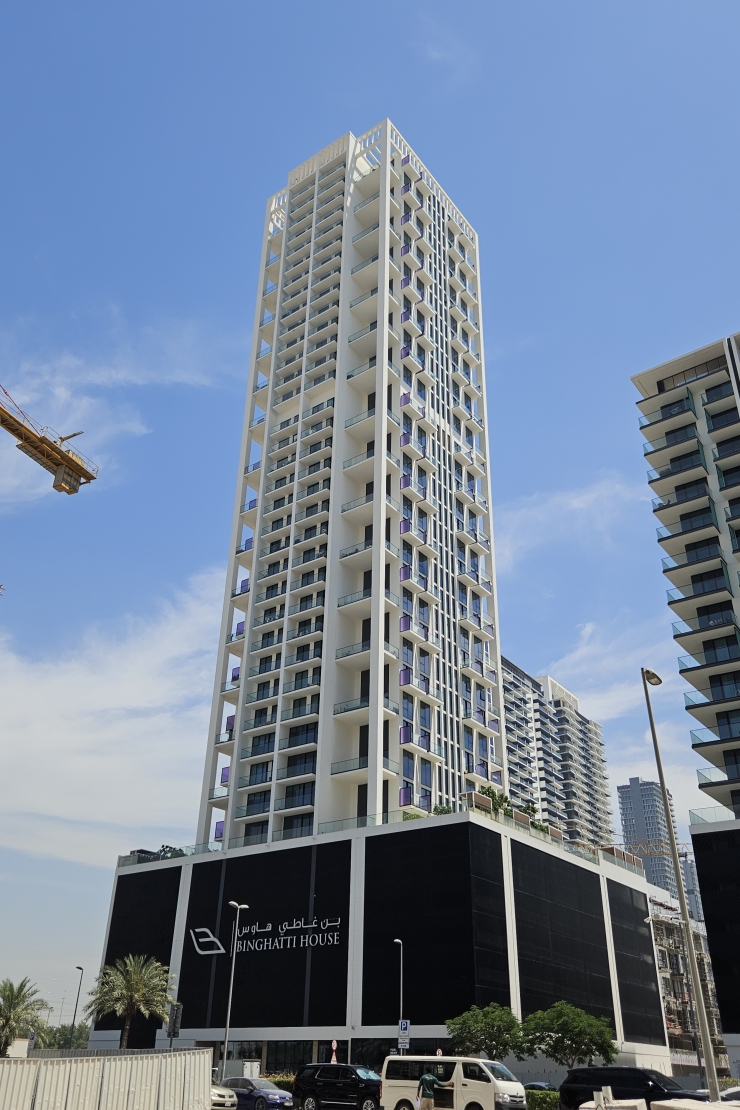
Binghatti House | 2BR Apartment | in JVC | HOT
Binghatti · JVC
1,605,000 AED
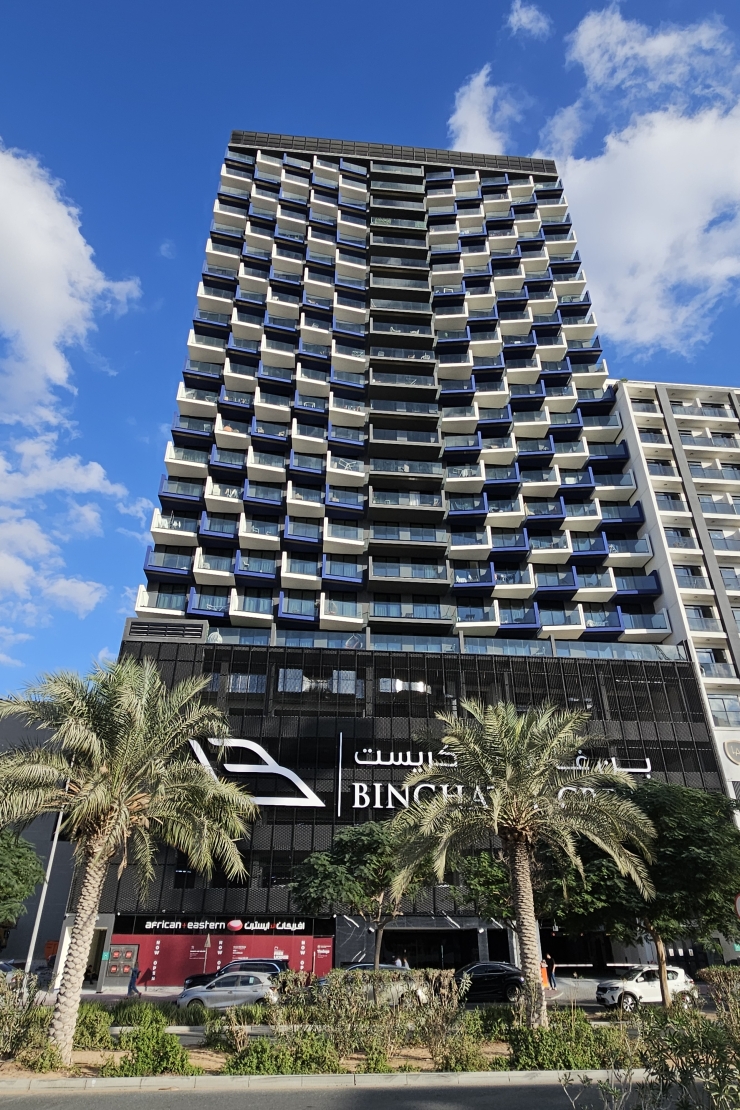
Binghatti Crest | 3BR Apartment | in JVC | HOT
Binghatti · JVC
1,800,000 AED (Furnished)
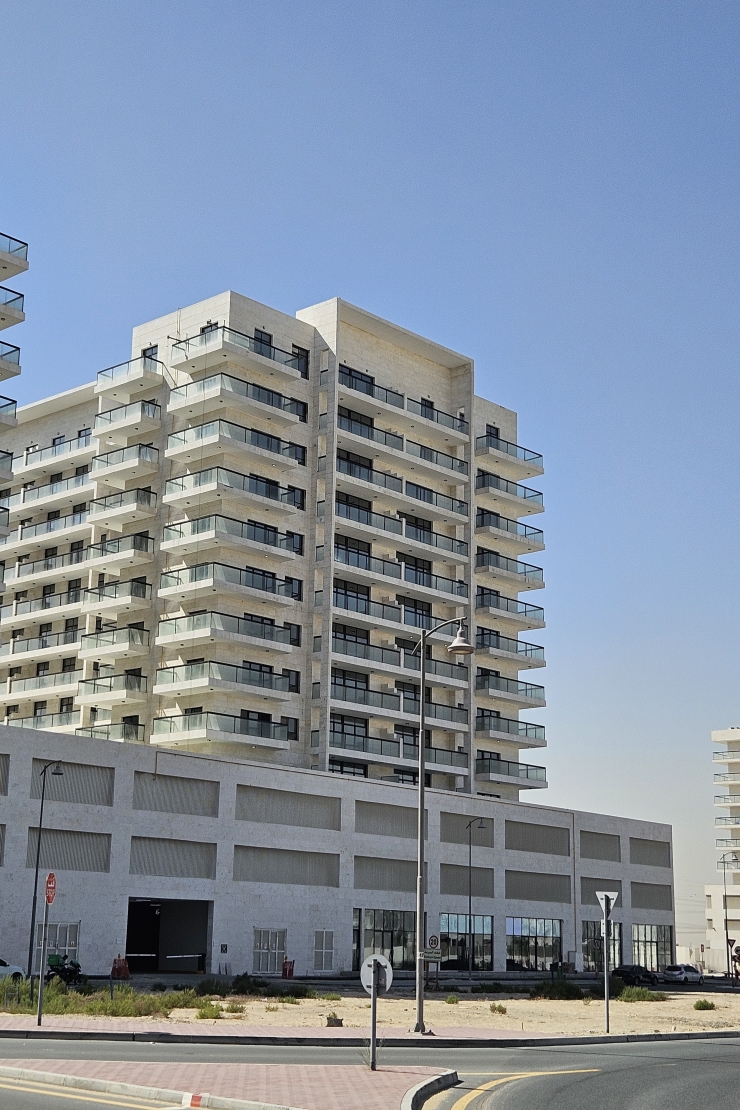
Equiti Home | 1BR Apartment | in Al Furjan | HOT
BNH Real Estate · Al Furjan
970,000 AED
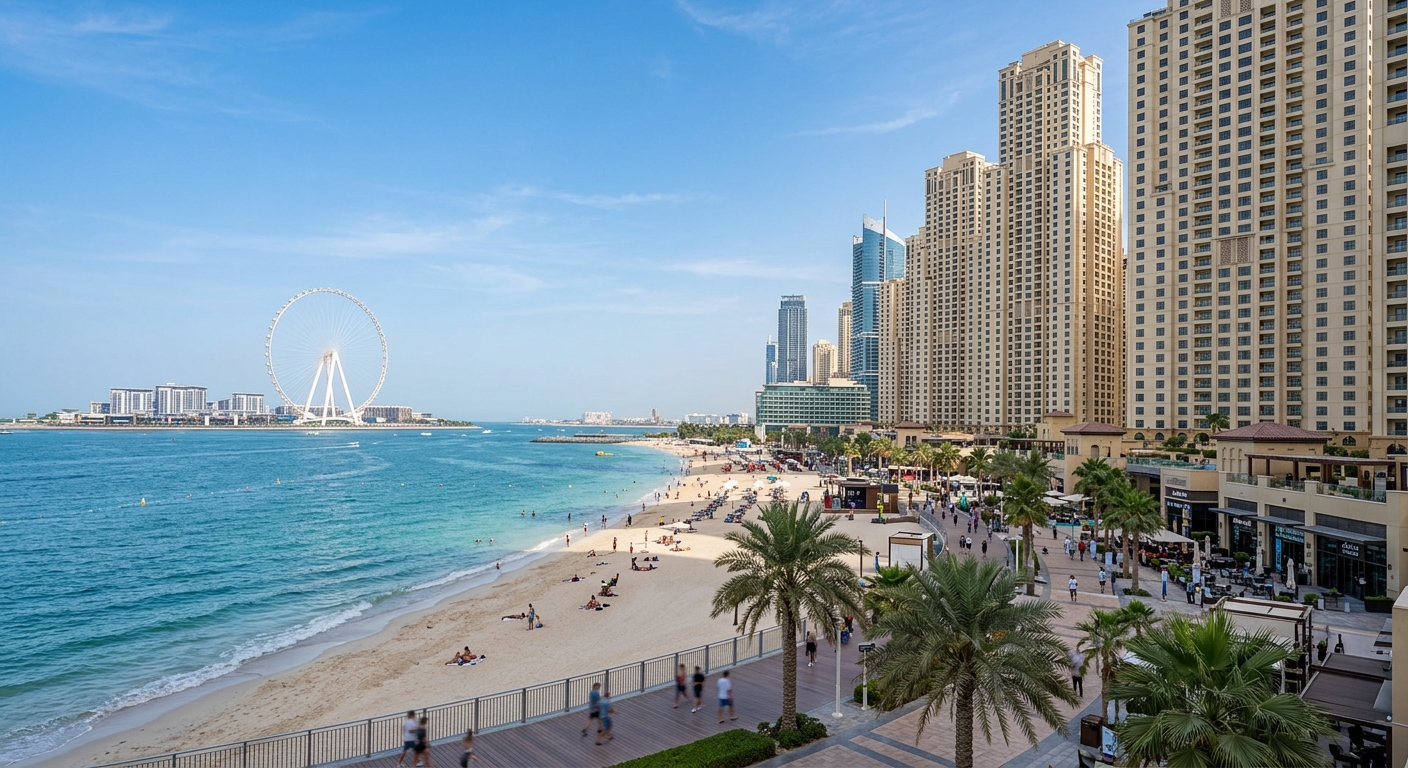
FIVE Luxe Hotel & Residence | 5BR + Maid Hotel Apartment | in JBR | HOT
FIVE Holdings · JBR
25,000,000 AED / 25,000,000 AED (Furnished)
Azizi Gardens | 1BR Apartment | in Meydan MBR | HOT
Azizi · Meydan MBR
930,000 AED
Match My Requirement
Tell us your budget and preferences — we'll match you with live Dubai & Abu Dhabi inventory within 24h.
Related Articles

Off-Plan Payment Plans in Dubai, Explained: 10/40/50 vs 20/40/40 vs Post-Handover
The single biggest lever in off-plan investing isn't the property — it's the payment plan. Here's how to decode developer plans, what to negotiate, and which structures actually protect your downside.

Dubai Commercial Cap Rates 2026: Where the Yields Are (and Aren't)
A data-driven walk through Dubai's commercial cap-rate landscape across offices, retail, warehouses, F&B, medical, staff accommodation, and land — with institutional benchmarks from JLL, CBRE, and Knight Frank.

Best International Schools in Dubai 2026: Complete Guide
Comprehensive guide to Dubai's top international schools, including fees, curriculum, and proximity to residential communities.