

Data checked: September 2026
Is Dubai Creek Harbour Better for Rental Income or Capital Growth?
Direct Answer
Neither is universally "better" — the right answer depends on unit type, entry price, financing structure, and the investor's holding period. Smaller, well-located units in established sub-districts often skew toward more reliable rental demand; newer phases can skew toward capital-growth potential if bought early and the community matures as planned — but that growth is not guaranteed.
Key Facts: What to Evaluate
| Factor | Rental-Income Lens | Capital-Growth Lens | |---|---|---| | Rental yield | Central metric | Secondary | | Capital appreciation | Secondary | Central metric, but unrealized until sale | | Cash flow | Must be positive after all costs | Can tolerate lower/negative cash flow if growth thesis is strong | | Financing cost | Must be covered by rent for positive cash flow | Less critical if holding long-term without heavy leverage | | Service charges | Directly reduces net yield | Reduces net return only at exit calculation | | Vacancy | Directly reduces realized income | Less relevant if not rented | | Resale liquidity | Matters less if holding for income | Central — growth is only realized on a liquid exit | | Holding period | Can be shorter if yield is the goal | Usually needs to be longer to let appreciation compound |
Current Data
DATA NOT VERIFIED for any specific current yield or appreciation figure — see our ROI guide for the calculation method and request unit-specific figures via the CTA.
Detailed Analysis
An investor prioritizing cash flow should stress-test the net yield calculation against financing cost: if the mortgage payment plus service charges exceeds achievable rent, the investment is cash-flow negative regardless of any long-term growth thesis. An investor prioritizing capital growth should instead stress-test their thesis against supply-pipeline risk — new phases entering the market can suppress resale pricing on existing units even if the community overall is growing.
Investor Profiles
- Profile A — Rental-Income Investor: wants positive monthly cash flow now, likely prefers smaller units (studio/1BR) in an established sub-district with proven rental demand.
- Profile B — Capital-Growth Investor: comfortable with a longer holding period, may accept lower or breakeven cash flow, betting on masterplan maturity and broader Dubai market conditions over 5+ years.
- Profile C — Blended/End-Use Investor: buys for eventual personal use but rents in the interim; should weight rental income more heavily since it funds the holding period.
Risks
Chasing capital growth with high leverage and negative cash flow is a compounding risk if the market softens. Chasing rental yield alone without checking resale liquidity can leave an investor unable to exit efficiently.
Who It May Suit
See investor profiles above — this framework is designed to be applied per-investor, not to declare one strategy universally superior.
Practical Checklist
- Decide primary objective (income, growth, or blended) before shortlisting units.
- Run the net-yield calculation for income-focused decisions.
- Check comparable resale liquidity for growth-focused decisions.
- Match financing structure to the chosen strategy.
Current Verified Availability
DATA NOT VERIFIED — request an investment analysis matched to your specific objective via the CTA below.
FAQ
Should I buy for rental income or capital growth in Creek Harbour? It depends on your holding period, financing approach, and risk tolerance — see the investor profiles above.
Which Creek Harbour units rent best? This varies by sub-district and unit size; request comparable rental data for your specific target unit type.
Can I get both rental income and capital growth from the same property? It's possible, but the balance depends on entry price, financing, and holding period.
Sources & Data
- Dubai Land Department — Real Estate Data: dubailand.gov.ae
Disclaimer
This article is for general informational purposes only and is not financial or investment advice. Muhalab Adam is not a licensed financial advisor.
About the Author
Muhalab Adam — Real Estate Investment Strategist | Dubai. Sales Director at Net Gains Real Estate LLC (ORN 51051, RERA BRN 77430), 10+ years GCC real estate experience, MBA in Finance.
Request a Dubai Creek Harbour Investment Analysis
Request a Dubai Creek Harbour investment analysis based on your budget and investment objective.
Sources & Official References
- governmentDubai Land Department (DLD)
- governmentUAE Government Portal — Property & Housing
- developerEmaar Properties (Official)
Related Listings
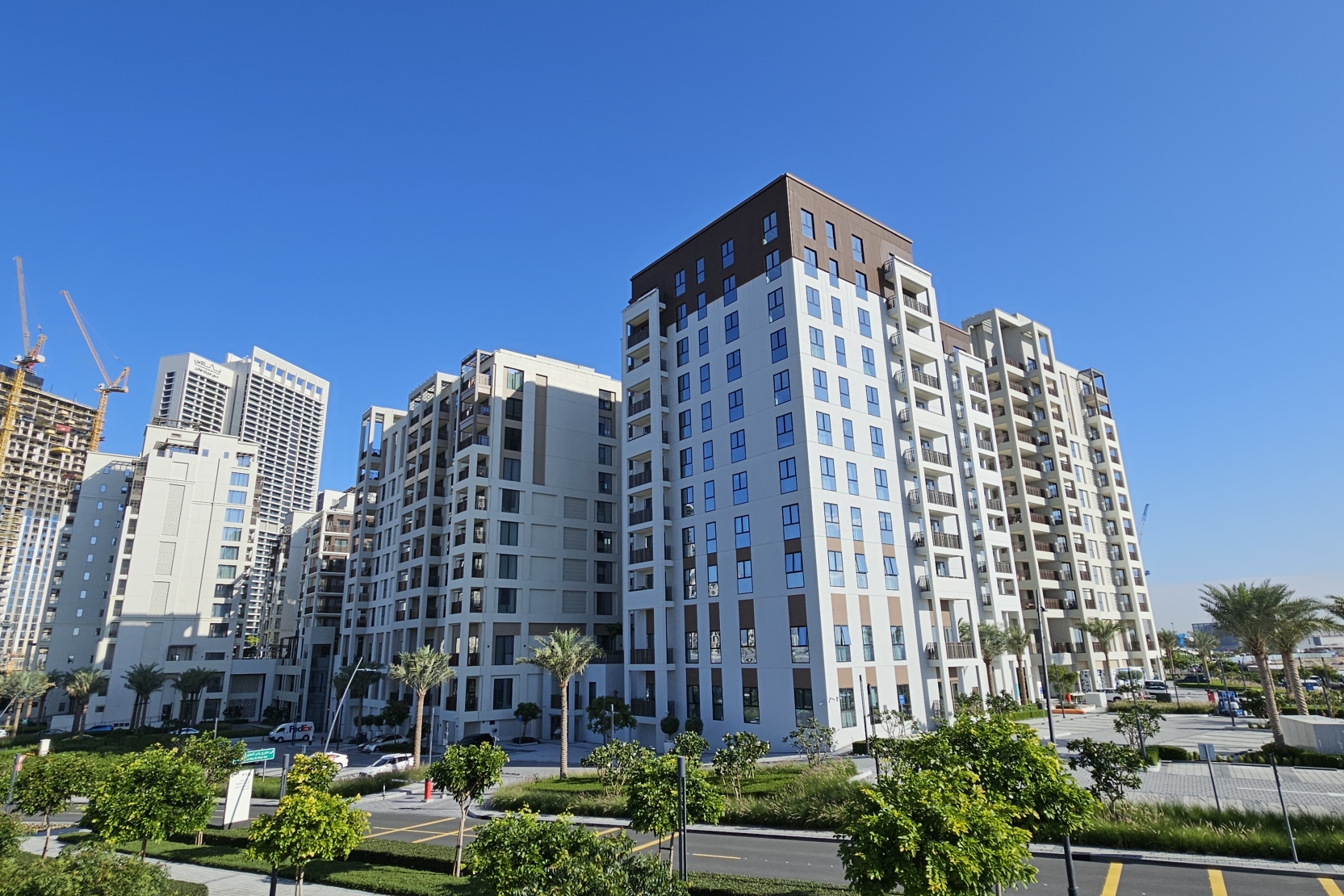
Creek Beach Savanna 3 | 2BR Apartment | in Creek Harbour
Emaar · Creek Harbour
2,650,000 AED

17 Icon Bay | 2BR Apartment | in Creek Harbour
Emaar · Creek Harbour
3,100,000 AED / 3,100,000 AED (Furnished)
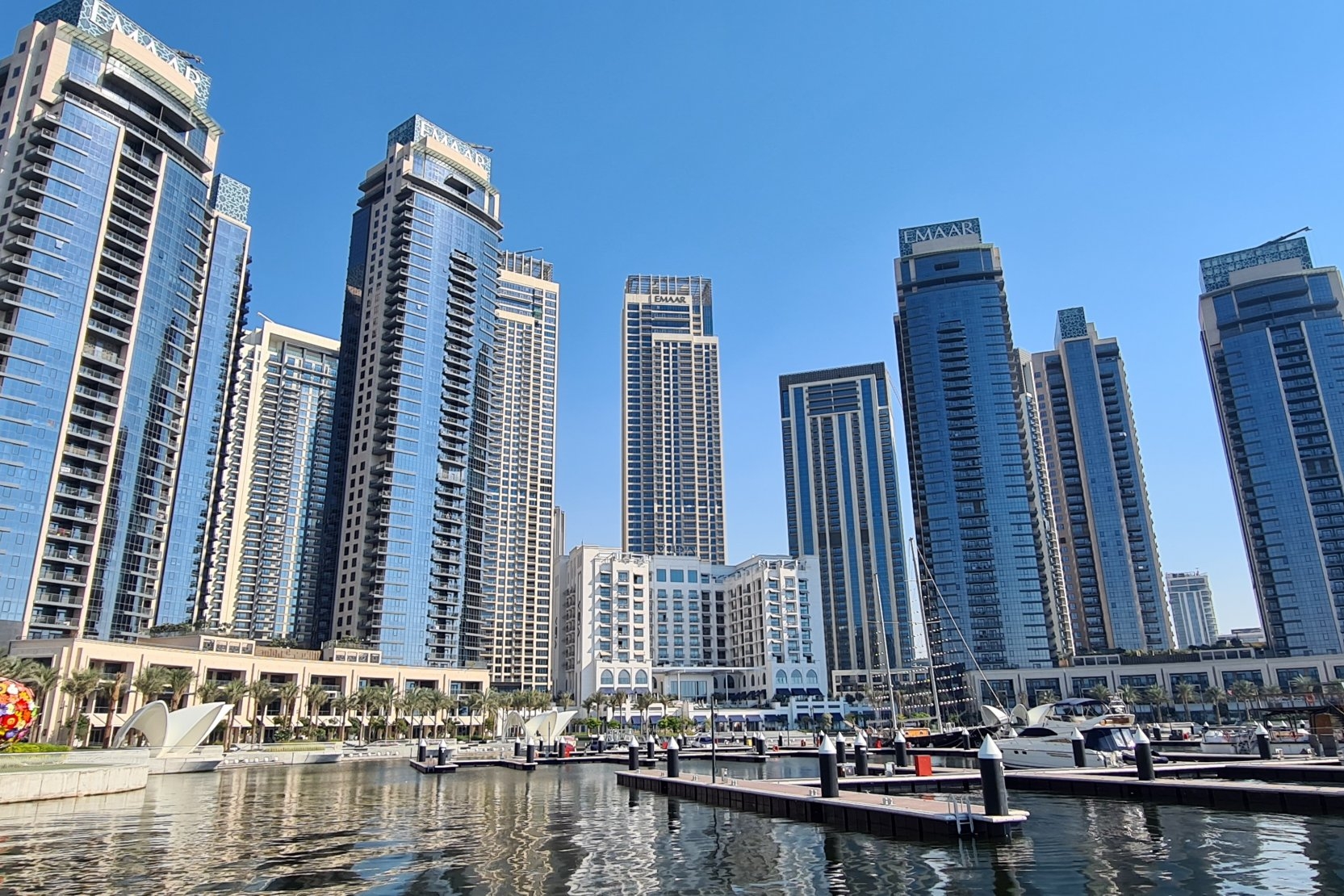
The Grand | 1BR Apartment | in Creek Harbour
Emaar · Creek Harbour
2,550,000 AED / 2,550,000 AED (Furnished)
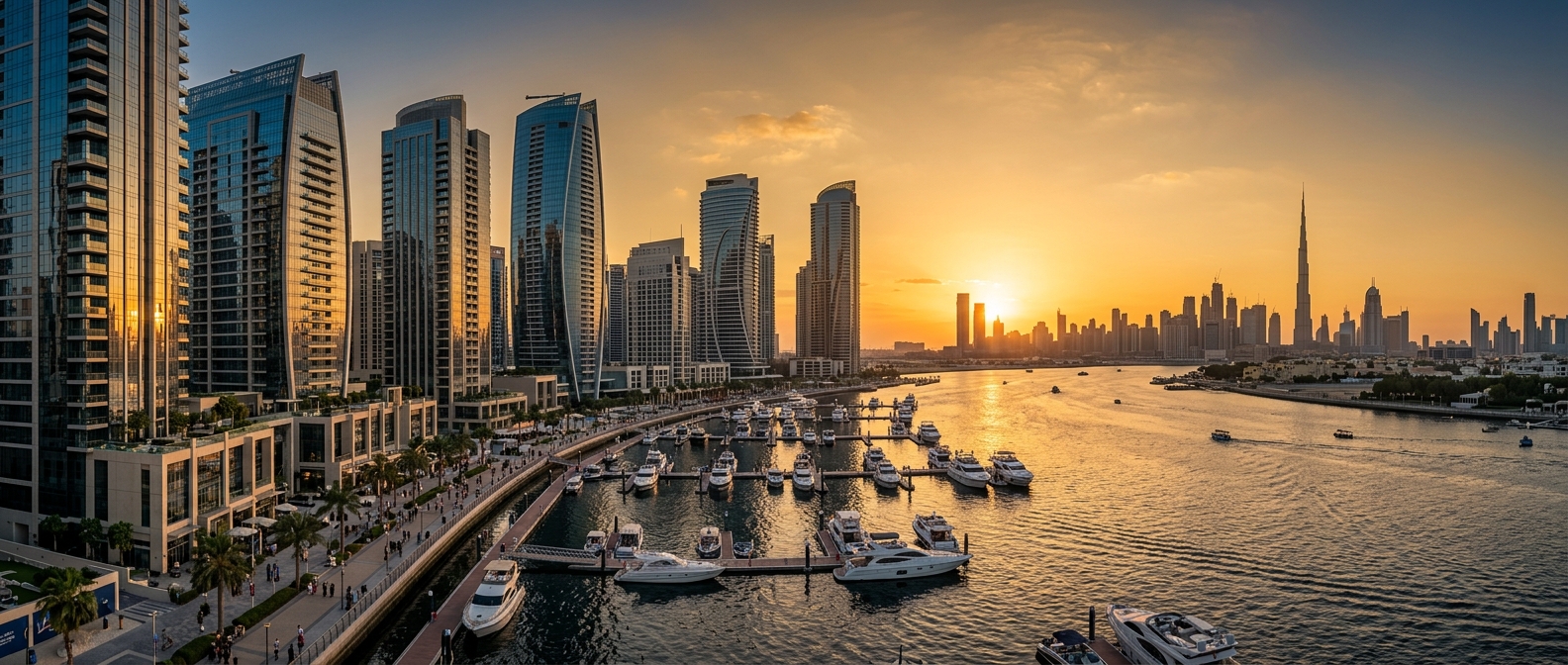
Creek Rise | 4BR + Maid Apartment | in Creek Harbour
Emaar · Creek Harbour
7,800,000 AED
Island Park | 1BR Apartment | in Creek Harbour
Emaar · Creek Harbour
2,250,000 AED
Island Park | 1BR Apartment | in Creek Harbour
Emaar · Creek Harbour
2,150,000 AED
Match My Requirement
Tell us your budget and preferences — we'll match you with live Dubai & Abu Dhabi inventory within 24h.
Related Articles
Dubai Creek Harbour Investment Guide: ROI, Rental Yield and Capital Growth
How to calculate real ROI, gross and net rental yield, and capital growth for a Dubai Creek Harbour property — including costs most calculators leave out.
Is Dubai Creek Harbour a Good Investment?
A structured, non-hype analysis of Dubai Creek Harbour as an investment — location, supply, demand, liquidity, risk and how to decide if it fits your strategy.
Dubai Creek Harbour: Complete Guide to Living, Buying and Investing
An investor-focused guide to Dubai Creek Harbour — location, projects, property types, rental and resale considerations, risks, and how to evaluate it as a place to live or invest. Verified against official sources.