

Quick answer
Dubai in late 2026 is, in Mohamad Aidasani's phrase to Gulf News, "a balanced market, and in some pockets a buyer's market." But the concessions on offer are structured, not random, and they are not price cuts.
The documented levers, as reported by Gulf News in November 2026:
- Developer contributions toward the 4% DLD registration fee
- 20% down with the remaining 80% payable at handover
- Instalment plans running seven to eight years, with advertised monthly payments from AED 6,799
Your leverage is real because the market softened: Q3 2026 sales were AED 72.6 billion across about 34,000 transactions, down 47% in value and 38% in volume year-on-year (Cavendish Maxwell), while 38,000 units were delivered in nine months with handovers up 41%.
Your leverage is also uneven. ValuStrat found 80% of tracked villa communities held stable values in September 2026, and Savills recorded prime apartment values 4% higher year-on-year with 669 transactions above AED 10 million in Q3. In those segments you have almost none.
The rest of this article is the practical sequence.
Rule one: establish the real price before you negotiate anything
Jasko Miletić of Dubai Rapid Properties made the point that should open every negotiation: a 10% discount on an overpriced property is not a good deal.
So the first move is not an offer. It is evidence:
- Pull registered transactions for the same building or community, last two quarters. Not asking prices. Registered prices.
- Normalise to price per sq ft and adjust for floor, view and layout.
- Count the competing inventory. How many comparable units are available in that building and the two nearest buildings right now?
- Check what hands over within one kilometre over the next four quarters. With a 2027 pipeline of around 136,100 units and 2028 around 155,700, this is the number that determines whether you will have competition when you eventually sell or let.
If the asking price is above the recent registered range, your negotiation is about getting to fair value, and any "discount" from the inflated number is theatre.
Rule two: negotiate terms before price — and know what each is worth
Developers with strong balance sheets resist price cuts because a recorded lower price resets the reference for every remaining unit in the building. Terms do not show up in the DLD record the same way. That asymmetry is why terms are where the flexibility sits — and it works in your favour if you value them properly.
Convert every concession into cash:
| Concession | How to value it |
|---|---|
| Developer pays the 4% DLD fee | Direct cash saving. On AED 2 million that is AED 80,000 |
| 20/80 instead of 60/40 during construction | Capital you keep for 3–4 years. At a 5% opportunity cost, deferring AED 800,000 for three years is worth roughly AED 120,000 |
| 7–8 year post-handover instalments at 0% | Compare total outlay against a mortgage over the same period. Often worth more than a 5% price cut |
| First year's service charges waived | Annual charge × 1. On a large apartment with heavy amenities this can be AED 15,000–30,000 |
| Free furniture or fit-out package | Value at replacement cost, not at the developer's stated retail value |
| Snagging and defects period extended | Low headline value, high value if the building disappoints |
Then compare the total package against the price cut you would otherwise have asked for. Frequently the terms package is worth more — and is easier to get.
Rule three: sequence the ask
The order matters, because each request reveals information.
- Open with the data, not a number. Present the registered comparables and ask the developer or seller to explain the gap. This establishes you as informed and moves the conversation off the brochure.
- Ask for the fee contribution first. It is a defined, bounded cost for the developer and a clean cash saving for you. It is also the most commonly granted concession, so it tests willingness cheaply.
- Then restructure the payment schedule. Weight payments toward handover. This is where the largest economic value usually sits.
- Then ask for service charges and fit-out. These are operational costs the developer can absorb more easily than a price reduction.
- Only then discuss price — and if you do get a price reduction, check what was quietly removed from the package in exchange.
- Get everything in the SPA. A verbal concession is not a concession. If the payment plan, the fee contribution and the handover date are not in the contract, they do not exist.
Rule four: know where you have no leverage
Being honest about this saves time and relationships.
- Established villa communities. 80% of those tracked by ValuStrat held stable values in September 2026 on limited availability. Pushing hard here loses you the unit to another buyer.
- Genuine prime. Prime apartment values were 4% higher year-on-year per Savills, with 669 transactions above AED 10 million in Q3 2026. This segment is not discounting.
- Last units with a view or a layout that is actually scarce. Scarcity beats market sentiment.
- A well-capitalised developer's flagship launch. Emaar reported Q3 profit up 5.6%; Aldar is handing over 3,000-plus units in 2026 and committing to a Dubai pipeline above AED 38 billion in gross development value. These companies do not need your transaction this quarter.
Where you do have leverage: newly completed apartment stock in districts receiving simultaneous handovers; buildings with many comparable units available at once; resale sellers who have already bought elsewhere; and anything where 83% of remaining 2026 supply being apartments is working against the seller.
Rule five: the strengths that are not about money
Aidasani noted that cash buyers and those with pre-approved financing have more room, because they offer certainty and speed. Build that into your position:
- Get mortgage pre-approval before you negotiate. It converts you from a prospect into a closeable transaction.
- Shorten your own timeline. A 14-day close is worth real money to a seller carrying costs.
- Reduce your conditions. Every condition you remove increases your credibility, so remove only the ones you can genuinely afford to lose — never the survey or the title check.
- Be willing to walk, and say so once, calmly. The single most effective negotiating tool in a market with falling transaction counts is a buyer who has another option.
The first-time buyer advantage
If you have never owned freehold residential property in Dubai, register for the Dubai Land Department's First-Time Home Buyer Programme before you start negotiating. It is free, covers homes under AED 5 million, spans 22 developers and five banks, and includes preferential off-plan prices, better mortgage terms and interest-free credit-card instalments on the DLD registration fee.
Used properly, it gives you a second, parallel source of concessions — and priority access to inventory you can use to create genuine comparison.
Five mistakes that cost money
- Negotiating against the asking price instead of against registered transactions.
- Taking a long instalment plan without modelling the total. A low monthly payment over eight years can exceed the total cost of a shorter plan or a mortgage.
- Accepting a verbal concession. If it is not in the SPA, it is marketing.
- Ignoring service charges. On an amenity-heavy tower this is a permanent annual cost that no entry discount offsets.
- Negotiating hard in a segment with no supply. You will lose the asset and gain nothing.
Frequently asked questions
Is Dubai a buyer's market in 2026? Partly. Gulf News quoted Mohamad Aidasani of Union Square House describing it as a balanced market and in some pockets a buyer's market. Q3 2026 sales fell 47% in value and 38% in volume year-on-year, while supply rose sharply — but established villa communities and prime stock remained firm.
What concessions are Dubai developers actually giving? Contributions toward the 4% DLD registration fee, 20% down with 80% at handover, and instalment plans of seven to eight years, with advertised monthly payments from AED 6,799.
Should I ask for a price cut or better terms? Usually better terms. Developers resist recorded price reductions because they reset the reference price for remaining units, so flexibility concentrates in terms — and a well-structured terms package is often worth more than the price cut you would have requested.
How do I know if an asking price is fair? Compare registered transactions in the same building or community from the last two quarters on a price-per-sq-ft basis, adjusted for floor, view and layout. Asking prices and developer comparison sets are not evidence.
Does a 10% discount mean I got a good deal? Not necessarily. A 10% discount on an overpriced property still leaves you overpaying. Measure against registered transactions, not against the original asking price.
Where should I not expect to negotiate? Established villa communities with limited availability, genuine prime stock above AED 10 million, genuinely scarce layouts or views, and flagship launches from well-capitalised developers.
Where to go next
- Dubai First-Time Home Buyer Programme 2026
- Dubai property Q3 2026: sales down, mortgages at a record
- Off-plan payment plans explained
- Developer payment plans vs mortgage at high rates
- Dubai property fees and transaction costs explained
Sources
- Gulf News property, 7 November 2026: developer concessions including DLD fee contributions, 20/80 structures and seven-to-eight-year instalment plans with monthly payments from AED 6,799; quotes from Mohamad Aidasani (Union Square House), Jasko Miletić (Dubai Rapid Properties) and Olga Shevkolovych (Primal Alliance Real Estate); DLD Q3 2026 price-band data; ValuStrat and Savills figures
- Cavendish Maxwell Q3 2026 Dubai residential research, via The National and Gulf Business, and supply data via Construction Week Online, 2 November 2026
- Dubai Land Department, First-Time Home Buyer programme overview; UAE Government Media Office, 8 June 2026
- The National, 5 November 2026 (Emaar Q3 profit) and 14 October 2026 (Aldar pipeline and handover volumes)
Most of a good negotiation happens before the first offer — in the comparables, the competing inventory and the handover schedule around the building. That is the part I do for clients. If you want the evidence before you sit down, get in touch through muhalabadam.com.
Sources & Official References
- governmentDubai Land Department (DLD)
- governmentUAE Government Portal — Property & Housing
Related Listings

Exclusive Freehold Villa Plot in Dubai Hills Estate | Ready-to-Build with Approved G+1 Design
Emaar (Dubai Hills Estate) · Dubai Hills Estate, Dubai
AED 18,362,500
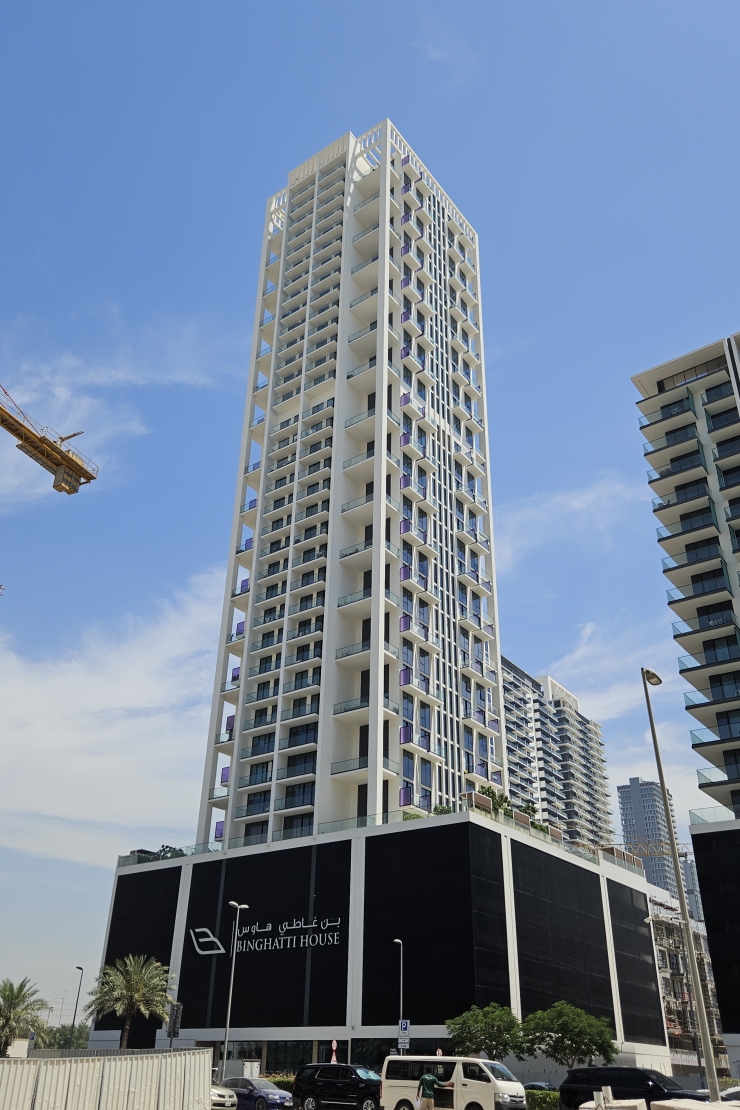
Binghatti House | 2BR Apartment | in JVC | HOT
Binghatti · JVC
1,605,000 AED
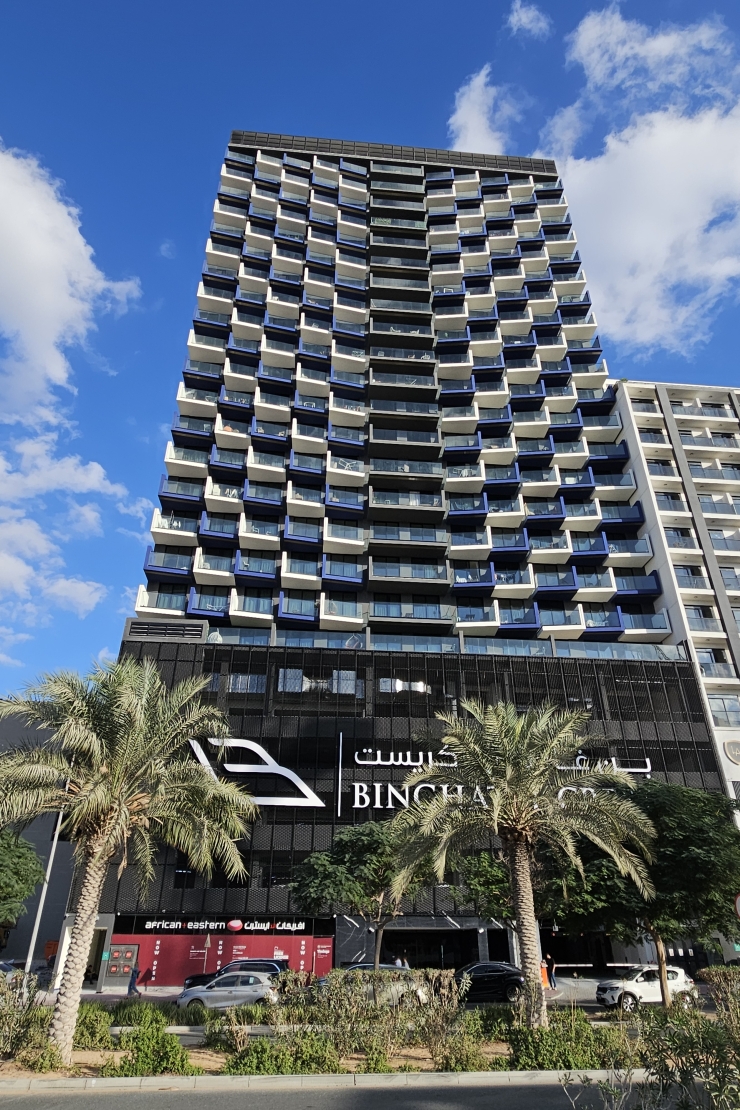
Binghatti Crest | 3BR Apartment | in JVC | HOT
Binghatti · JVC
1,800,000 AED (Furnished)
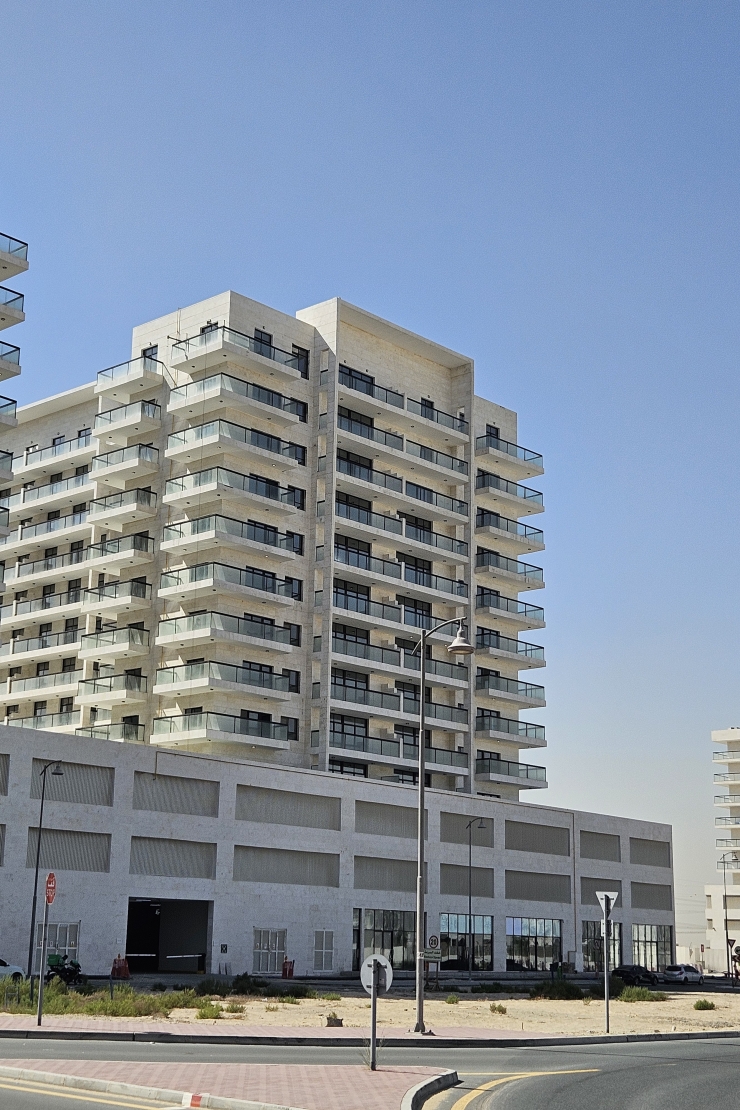
Equiti Home | 1BR Apartment | in Al Furjan | HOT
BNH Real Estate · Al Furjan
970,000 AED
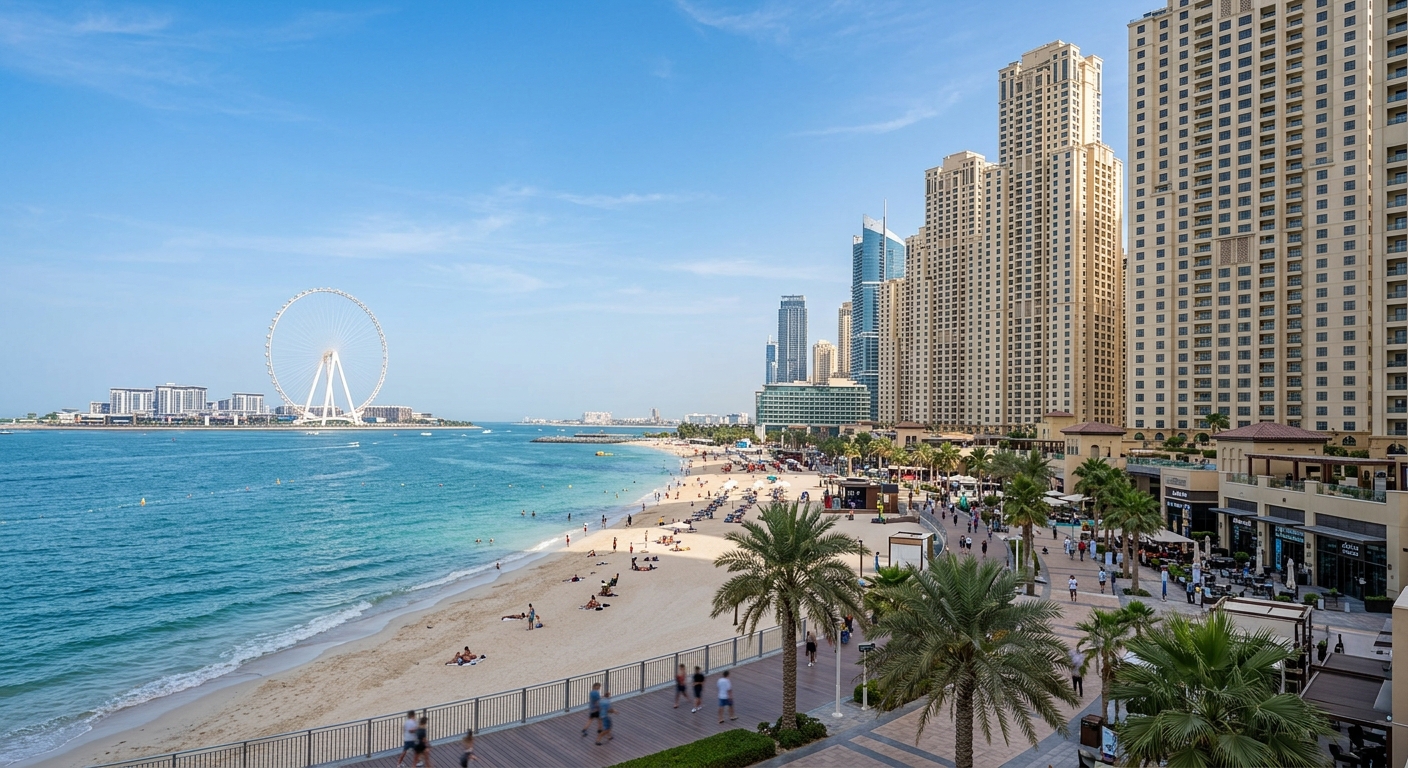
FIVE Luxe Hotel & Residence | 5BR + Maid Hotel Apartment | in JBR | HOT
FIVE Holdings · JBR
25,000,000 AED / 25,000,000 AED (Furnished)
Azizi Gardens | 1BR Apartment | in Meydan MBR | HOT
Azizi · Meydan MBR
930,000 AED
Match My Requirement
Tell us your budget and preferences — we'll match you with live Dubai & Abu Dhabi inventory within 24h.
Related Articles
Dubai First-Time Home Buyer Programme 2026: Who Qualifies, What You Actually Get, and the Fine Print That Costs People Money
Dubai's First-Time Home Buyer Programme is free to join, covers homes under AED 5 million, and now spans 22 developers and five banks. It does not discount the property or waive the 4% DLD fee — its value is negotiating leverage. Here is who qualifies, what the benefits are worth in a market where sales fell 47% year-on-year while mortgages hit a record, and the four conditions that quietly cost first-time buyers the most.

How to Choose the Right Property in Dubai Creek Harbour (Buyer Checklist)
A 17-point buyer checklist for choosing a Dubai Creek Harbour property — budget, unit type, view, payment plan, rental strategy, exit strategy and total acquisition cost.

Dubai Creek Harbour Resale: How to Find Value in the Secondary Market
How to evaluate Dubai Creek Harbour resale units using DLD transaction data, price-per-sq-ft analysis, remaining obligations, and seller motivation.