

Why resale properties need a different evaluation than off-plan
A resale unit in DAMAC Lagoons comes with information an off-plan unit can't offer: an actual construction/handover track record for that specific cluster, a real owner history, and in some cases an established rental or occupancy pattern. Evaluating it properly means using that information — not just comparing the asking price to what's currently being launched off-plan.
Original purchase price
Where a seller or agent discloses the original purchase price (or it can be inferred from DLD transaction history), use it as one data point — not the anchor — for your offer. A seller's original price tells you their potential profit margin, not what the unit is worth today; markets move in both directions since any given purchase date.
Current asking price
Compare the current asking price against genuine recent comparable transactions in the same or a very similar cluster — plot size, built-up area, unit position, and view all affect what "comparable" actually means.
Comparable transactions
Where available, Dubai Land Department transaction data provides actual recorded sale prices, which are a more reliable valuation basis than asking prices on portals. If you have access to DLD transaction history for DAMAC Lagoons specifically, use it; where you don't, rely on your agent's access to recent closed deals rather than only listed asking prices.
Remaining payment obligations
If the unit was originally bought off-plan and hasn't reached handover, confirm exactly what payment obligations transfer to you as the buyer — remaining installments, any developer NOC fees for the transfer, and the current payment plan status. This is materially different from buying a fully paid, handed-over unit, and should be reflected in your offer.
Premium or discount
Calculate whether the current asking price represents a premium or discount to (a) the seller's original purchase price and (b) genuine recent comparables — and understand why. A premium can be justified by a stronger unit position, completed handover with no construction risk, or an established rental history; a discount might reflect genuine motivation to sell quickly, a less favorable unit position, or market softening. Don't assume either without checking which applies.
Completion status
Confirm whether the unit is fully handed over, under construction, or in a transitional state — and if under construction, apply the same due-diligence questions as buying off-plan (construction progress, payment schedule, developer NOC requirements for transfer).
Unit position
Re-apply the same internal-location analysis you'd use for any unit — a resale unit's position within its cluster (corner, end, mid-row, lagoon or park frontage, proximity to shared amenities or a main road) affects both its current fair value and its future resale value to the next buyer after you.
View
Confirm the actual current view from the unit, not a rendering from the original marketing materials — surrounding development may have changed since the unit was first sold.
Seller motivation
Understanding why a seller is selling — relocation, upgrading, cash needs, investment exit — can inform how much negotiating room genuinely exists, though this should never be the sole basis for an offer. Agents typically have more visibility into this than portals do.
Exit potential
Before buying resale, think one step ahead: if you needed to sell this same unit in 2–3 years, who would the buyer be, and how does today's resale liquidity in this specific cluster inform that expectation? A cluster with more years of post-handover history gives you more confidence in this than a very recently completed one.
The practical resale evaluation checklist
- Identify the exact cluster, unit type, and position
- Pull genuine recent comparables, not just asking prices
- Confirm completion status and any remaining payment obligations
- Calculate premium/discount versus both original price and comparables
- Understand (where possible) the seller's motivation
- Assess your own realistic exit scenario before committing
Frequently Asked Questions
Is it better to buy resale or off-plan in DAMAC Lagoons? Neither is universally better — resale offers certainty (completed construction, established comparables) while off-plan offers a payment runway and potentially earlier-stage pricing.
How do I know if a DAMAC Lagoons resale price is fair? Compare it against genuine recent comparable transactions for similar unit type, plot/built-up area, and position — not just other current asking prices, which can be aspirational.
Which DAMAC Lagoons cluster has the most resale history? Not independently verified in this article — this depends on which clusters were launched earliest and have had the most time to reach handover and change hands. Ask your agent for current, cluster-specific resale activity.
Ready to Take the Next Step?
Request a DAMAC Lagoons resale shortlist or valuation review.
Contact Muhalab Adam for a free, no-obligation consultation tailored to your budget and goals.
Sources & Official References
- governmentDubai Land Department (DLD)
- governmentUAE Government Portal — Property & Housing
Related Listings

Santorini 1 | 4BR Townhouse | in DAMAC Lagoons | HOT
DAMAC · DAMAC Lagoons
3,950,000 AED (Furnished)
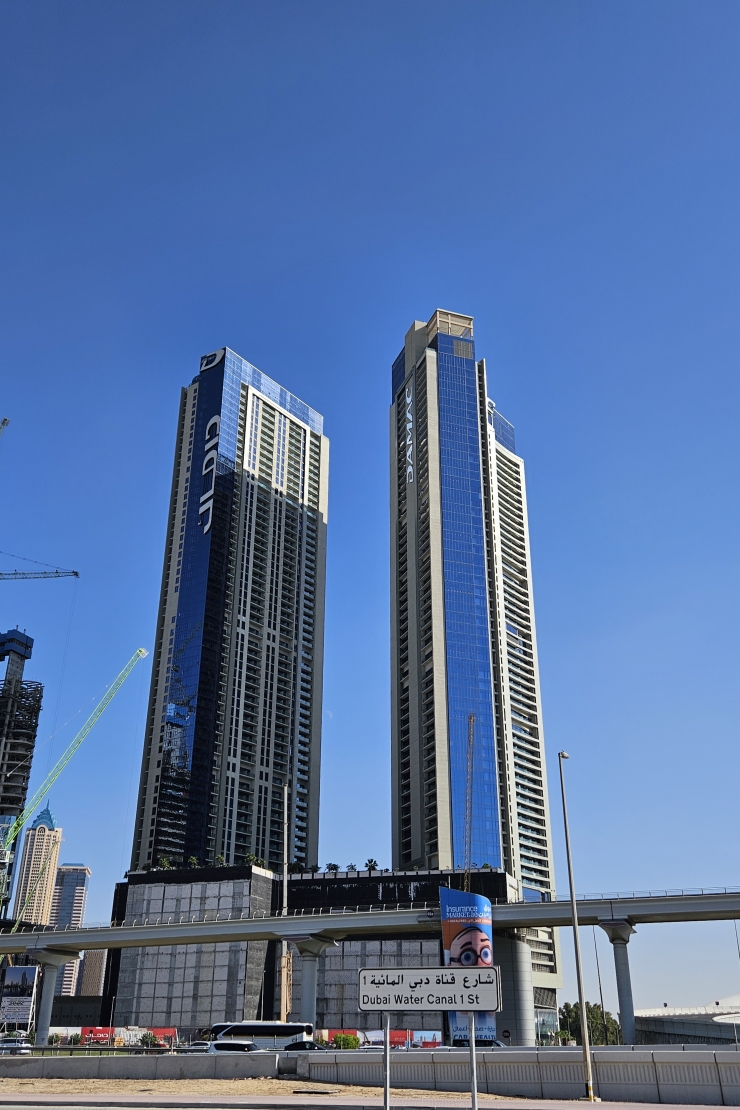
AYKON City 2 – Tower C | 2BR Apartment | in Business Bay
DAMAC · Business Bay
1,730,000 AED / 1,760,000 AED (Furnished)
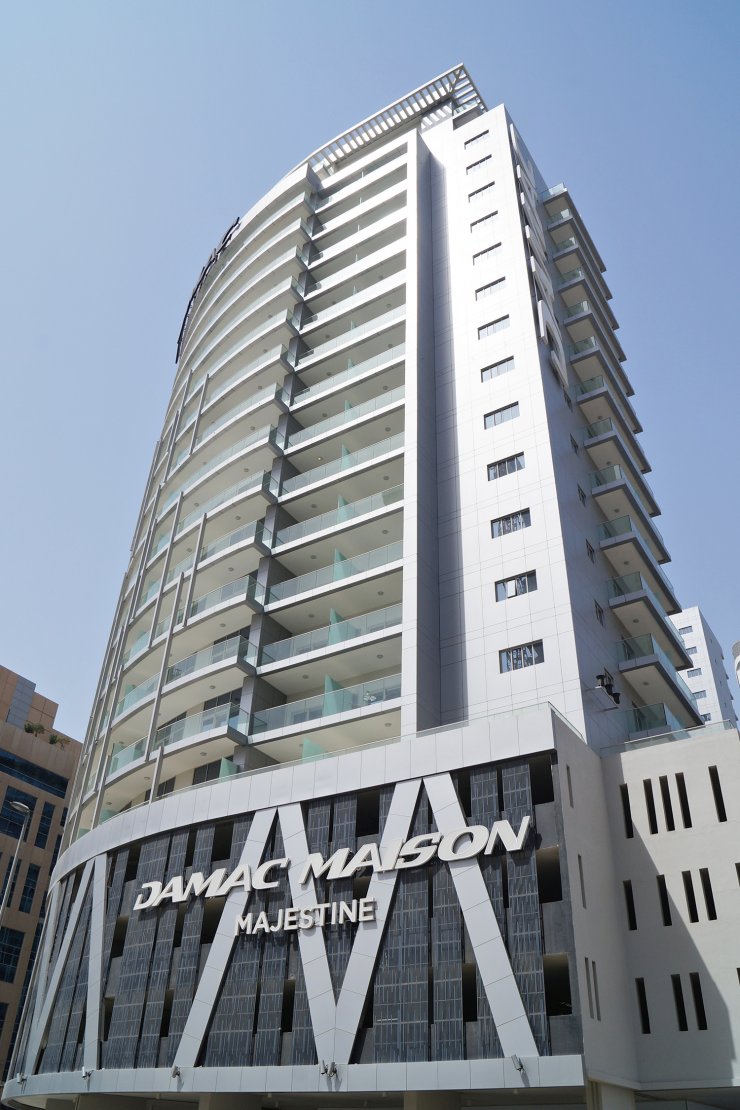
DAMAC Majestine | 3BR Apartment | in Business Bay
DAMAC · Business Bay
2,425,000 AED / 2,455,000 AED (Furnished)
Related Articles
DAMAC Lagoons Off-Plan Investment: What Investors Should Check Before Buying
A due-diligence checklist for buying off-plan in DAMAC Lagoons — developer, SPA, escrow, construction progress, and exit liquidity.
How to Choose the Right Location Inside DAMAC Lagoons
How to evaluate internal location within DAMAC Lagoons — lagoon proximity, privacy, unit position, and resale trade-offs.
DAMAC Lagoons Projects and Clusters: Complete Guide
A guide to DAMAC Lagoons' named clusters — themes, amenities, property types, and what's currently documented per project.