

Neither is universally the better Dubai investment: Damac suits buyers prioritizing scale, villas, master communities, and a currently stronger credit profile, while Binghatti suits buyers seeking design-led apartments or branded ultra-luxury units with potentially higher yield percentages on smaller units. The right choice depends on asset type, area, and risk tolerance.
Binghatti vs Damac: Which Is the Better Dubai Investment?
Both names show up constantly in Dubai off-plan searches, and both have loyal followings among investors — but they're not really competing for the same buyer in most cases. Here's an honest, side-by-side look at where each one actually wins.
Track record and scale
Damac has been building in Dubai since 2002, under founder Hussain Sajwani. Over that period it has delivered more than 50,000 residential units and currently has over 54,000 units under construction, with AED 36 billion in sales recorded in 2025. It listed on the Dubai Financial Market in 2015 and went private again in 2022. Its portfolio spans large master communities (DAMAC Hills, DAMAC Hills 2, DAMAC Lagoons) and branded towers (Cavalli Tower, de GRISOGONO-branded Safa towers), plus an international footprint including a tower in London.
Binghatti was founded in 2008 by Hussain Binghatti, with his son Muhammad Binghatti taking over as Chairman in 2014. Its portfolio is smaller in absolute unit count but has grown fast, built around a distinctive architectural identity and, more recently, branded partnerships with Bugatti, Mercedes-Benz, and Jacob & Co. Binghatti Holding is also listed — its sukuk trade on the London Stock Exchange and Nasdaq Dubai — which means it carries external financial disclosure and a Moody's credit rating, something most private Dubai developers don't have.
In short: Damac has the longer, larger-scale delivery history. Binghatti has grown faster from a smaller base and has leaned harder into design-led branding.
What each developer is actually selling
Damac's product range is broader — from mid-market apartments to villas in master communities to ultra-luxury branded towers. Binghatti's product is more concentrated: compact, design-forward towers, heavily studio and one-bedroom weighted, plus a small number of branded ultra-luxury projects at the very top of the market. If you want a villa in a landscaped community, Damac has far more options. If you want a smaller, architecturally distinctive apartment near a well-connected area, Binghatti's core product fits that brief more directly.
Pricing and entry point
Binghatti's standard portfolio skews toward more accessible entry prices, with studios in some communities starting well under AED 1 million. Damac's mid-market apartments sit in a broadly similar entry range, while its master-community villas and branded towers push the price ceiling much higher. Neither developer publishes a single "typical price" that applies across every project, so the honest comparison has to happen project-by-project and area-by-area, not developer-to-developer.
Payment plans
Both developers are known for flexible, extended payment plans rather than requiring buyers to pay in full at handover — this is standard practice for Dubai off-plan sales generally, not a differentiator unique to either brand. The specific structure (percentage during construction versus at/after handover) varies by project and by launch, for both developers, and can change between phases of the same community. Don't assume a payment plan you saw quoted for one project applies to another project by the same developer — always confirm the current plan for the specific unit you're considering.
Rental yields
Dubai's apartment market overall has been generating roughly 6–9% gross rental yield through 2026. Binghatti's studio-heavy inventory has reported yields toward the higher end of that band in some areas (see our full yield breakdown), largely because smaller units tend to rent for a higher percentage of their price. Damac's villa communities have reported yields more in the 5.5–7% range, which is typical for villas generally, while its apartment stock tracks closer to the citywide average. Neither developer's yields are guaranteed, and building-specific factors (service charges, occupancy, exact location) matter more than the developer name.
Financial risk profile
This is where the two currently diverge in a way worth understanding. Damac's senior unsecured rating currently sits at Ba1 with Moody's (stable outlook) and was upgraded by S&P to BB+ in late 2025. Binghatti Holding's Ba3 rating, by contrast, was placed on review for possible downgrade by Moody's in August 2026, reflecting liquidity pressure the agency linked to regional conflict conditions. That doesn't mean a Binghatti unit is unsafe to buy — escrow protections under Dubai's off-plan framework are a separate legal safeguard from a developer's corporate credit rating — but it is a real, current difference between the two companies' financial risk profiles that a cautious investor should factor in.
Who each one actually suits
Damac tends to suit investors who want scale and variety — villas, master communities, a longer public track record, and a broader price range to shop across. It also currently carries a more stable credit profile.
Binghatti tends to suit investors specifically drawn to its architectural identity and branded ultra-luxury tier, or those targeting smaller, higher-yield-percentage units in areas like JVC, Business Bay, or Dubai Investments Park — while being aware of, and comfortable with, the current credit-rating review.
Neither is a universally "better" choice — the right one depends on what you're actually trying to buy and how much weight you put on corporate financial stability versus product and pricing fit.
FAQs
Is Damac a safer investment than Binghatti right now? On corporate credit risk specifically, yes — Damac's Ba1 rating with a stable outlook is currently stronger than Binghatti's Ba3 rating under review for downgrade. That's one factor among several, not the whole picture.
Does Binghatti's credit rating review mean projects won't be completed? Not necessarily. A rating review reflects the parent company's financing and liquidity position, not a confirmed default or construction halt. Off-plan buyers are also protected by RERA-mandated escrow accounts tied to construction progress, which is a separate safeguard from the corporate rating.
Which developer has better rental yields? It depends on the unit type and area, not the developer name alone. Binghatti's smaller units in some areas report yields toward 8–10%; Damac's apartments track closer to the city average of 6–9%, and its villas typically run lower, around 5.5–7%.
Which one has delivered more projects historically? Damac, by a wide margin — over 50,000 units delivered since 2002 versus Binghatti's shorter operating history since 2008.
Can I get a payment plan comparison for a specific project from each developer? Yes — payment plans vary by project and change over time for both developers, so request current terms for the specific units you're comparing rather than relying on a generic plan.
Comparing a specific Binghatti project against a specific Damac project? Send us both, and we'll build a side-by-side breakdown covering price, payment plan, yield estimate, and risk profile for your exact shortlist.
Sources: damacproperties.com (company history, credit ratings page); Moody's Ratings and S&P Global rating actions; binghatti.com; market yield reviews as cited in our Binghatti rental yield analysis. Figures current as of publication date — ratings and payment plans can change; always reconfirm before deciding.
Sources & Official References
- governmentDubai Land Department (DLD)
- governmentUAE Government Portal — Property & Housing
- developerBinghatti (Official)
Frequently Asked Questions
Related Listings
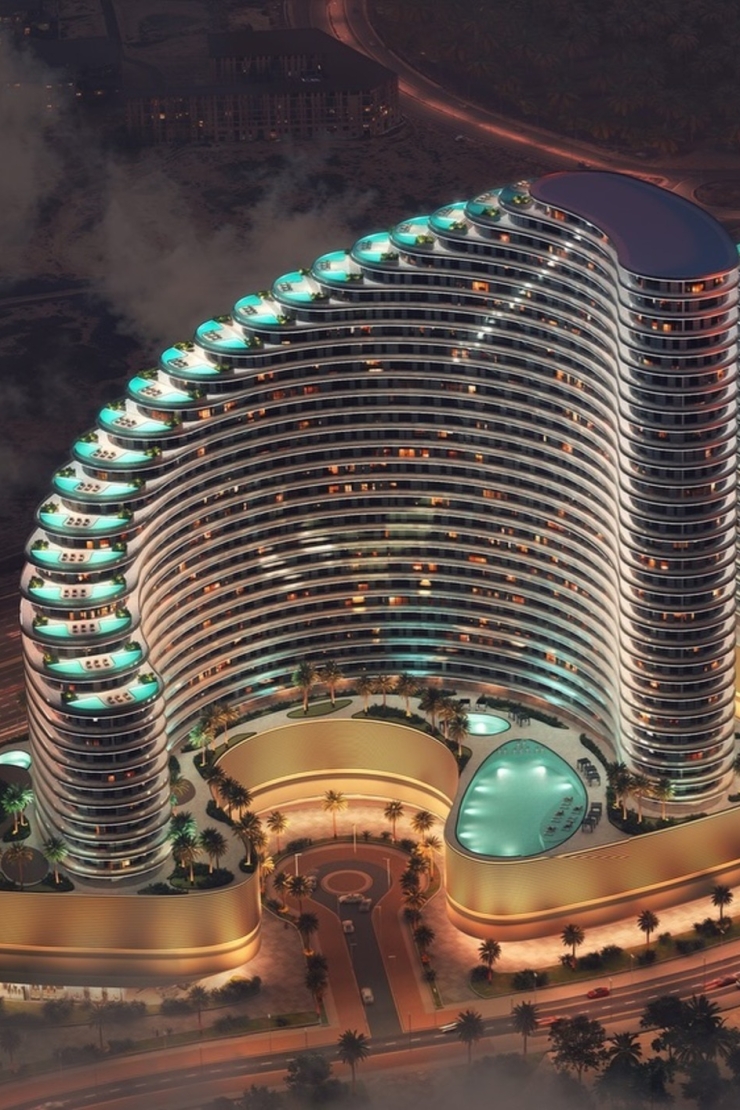
Binghatti Skyflame, Majan — Smart Luxury Living with Off-Plan Investment Upside
Binghatti · Majan, Dubai
AED Price on Request
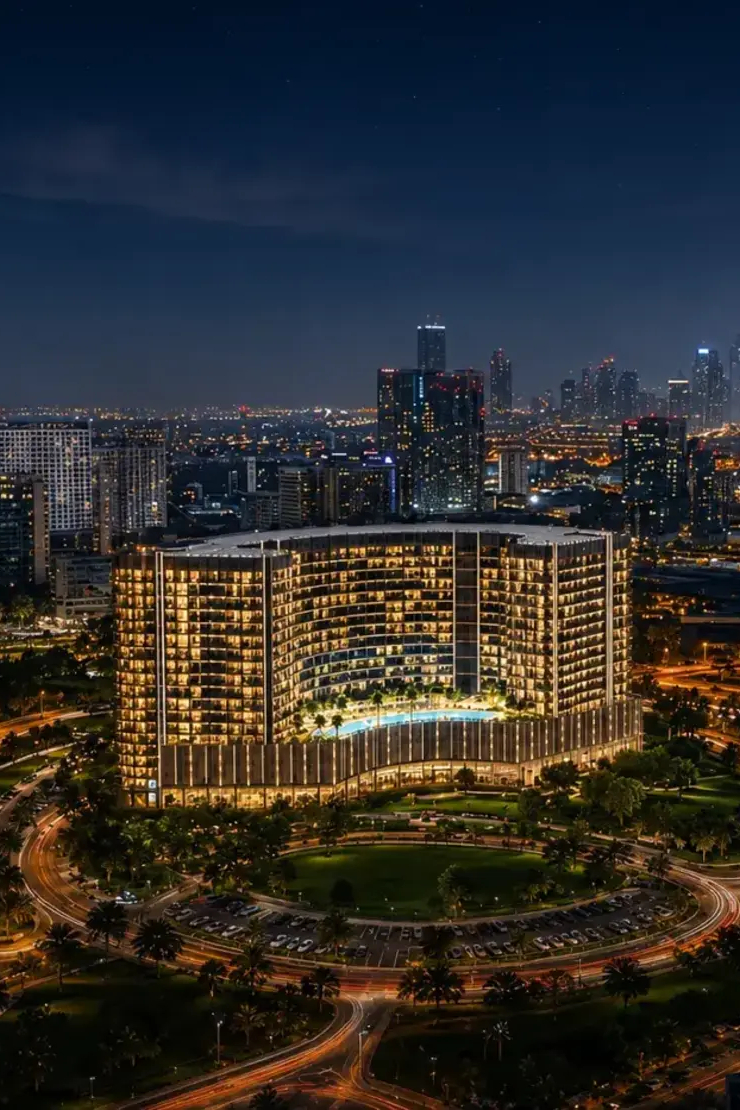
Binghatti Wraith, Al Jaddaf — Quiet Luxury Apartments from AED 799,999 | Prime Location & Investment ROI
Binghatti Developers · Al Jaddaf, Dubai
AED 799,999
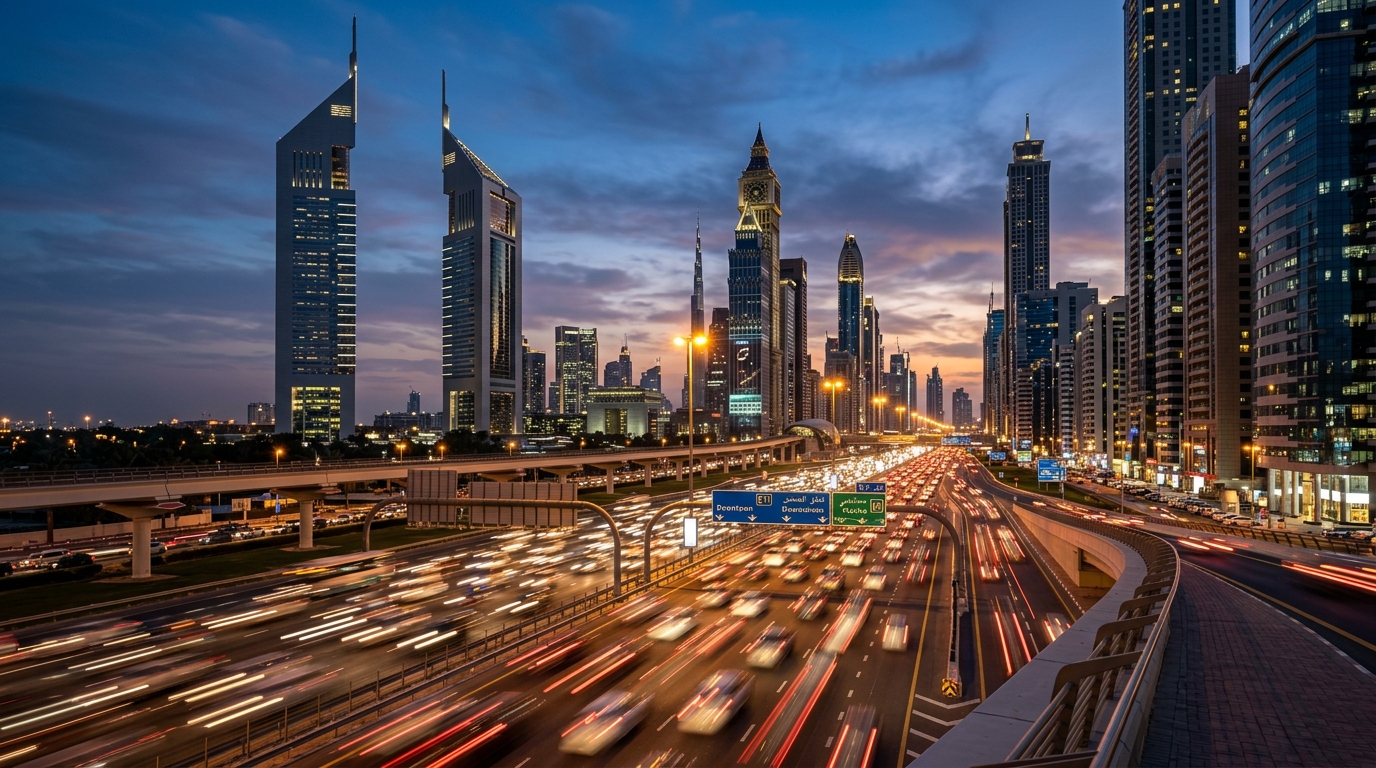
DAMAC Volta Tower | 1BR Apartment | in Sheikh Zayed Road
DAMAC · Sheikh Zayed Road
2,125,000 AED
Office for Sale in Binghatti Circle, JVC — Floor 1 — 1168 sqft
Binghatti · JVC
AED 2,744,024
Office for Sale in Binghatti Circle, JVC — Floor 1 — 1090 sqft
Binghatti · JVC
AED 2,560,372
Office for Sale in Binghatti Circle, JVC — Floor 1 — 1090 sqft
Binghatti · JVC
AED 2,560,372
Match My Requirement
Tell us your budget and preferences — we'll match you with live Dubai & Abu Dhabi inventory within 24h.
Related Articles

How to Choose the Right Commercial Location for Your Business
A practical guide for business owners and investors on selecting the right commercial location: accessibility, target audience, competition, cost, infrastructure, and the common mistakes to avoid.

Buying Off the Plan in Dubai as a First-Time Buyer: The Guide Nobody Puts in the Brochure
First-time off-plan buyers are the segment most likely to overpay. Seven specific mistakes account for most of those losses. Name them upfront, avoid them upfront, and the process becomes navigable.

Off-Plan Investment Strategy in Dubai for 2026: Which Trade Fits Which Investor
Yield-first, capital appreciation, and end-user strategies each need different communities, developers and unit types. Choose one and execute the diligence. Do not run three strategies with one unit.